
The Hibakusha Testimonies

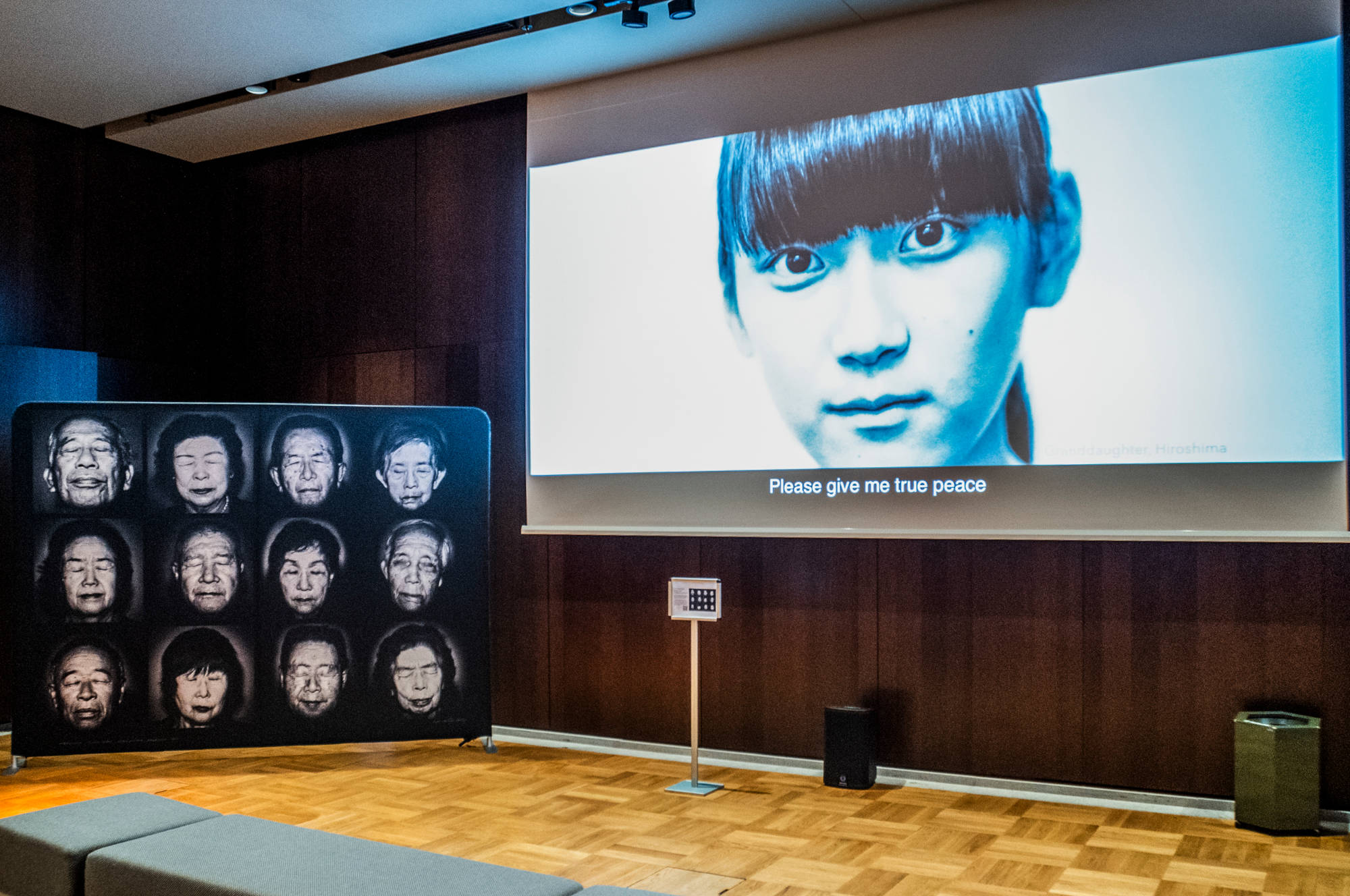
Nobel Peace Prize, Oslo 2024
“Our deepest desire as survivors of the atomic bombs is that humanity will reject a
policy of deterrence that presupposes both the existence and use of nuclear weapons,
in favor of a world where no one is allowed to possess such weapons. […]
Therefore, I am asking that everyone around the world must participate in the
conversation about how we can abolish nuclear weapons, and that we must demand action
from our governments to achieve this goal.”
Terumi Tanaka, co-director of Nihon Hidankyo
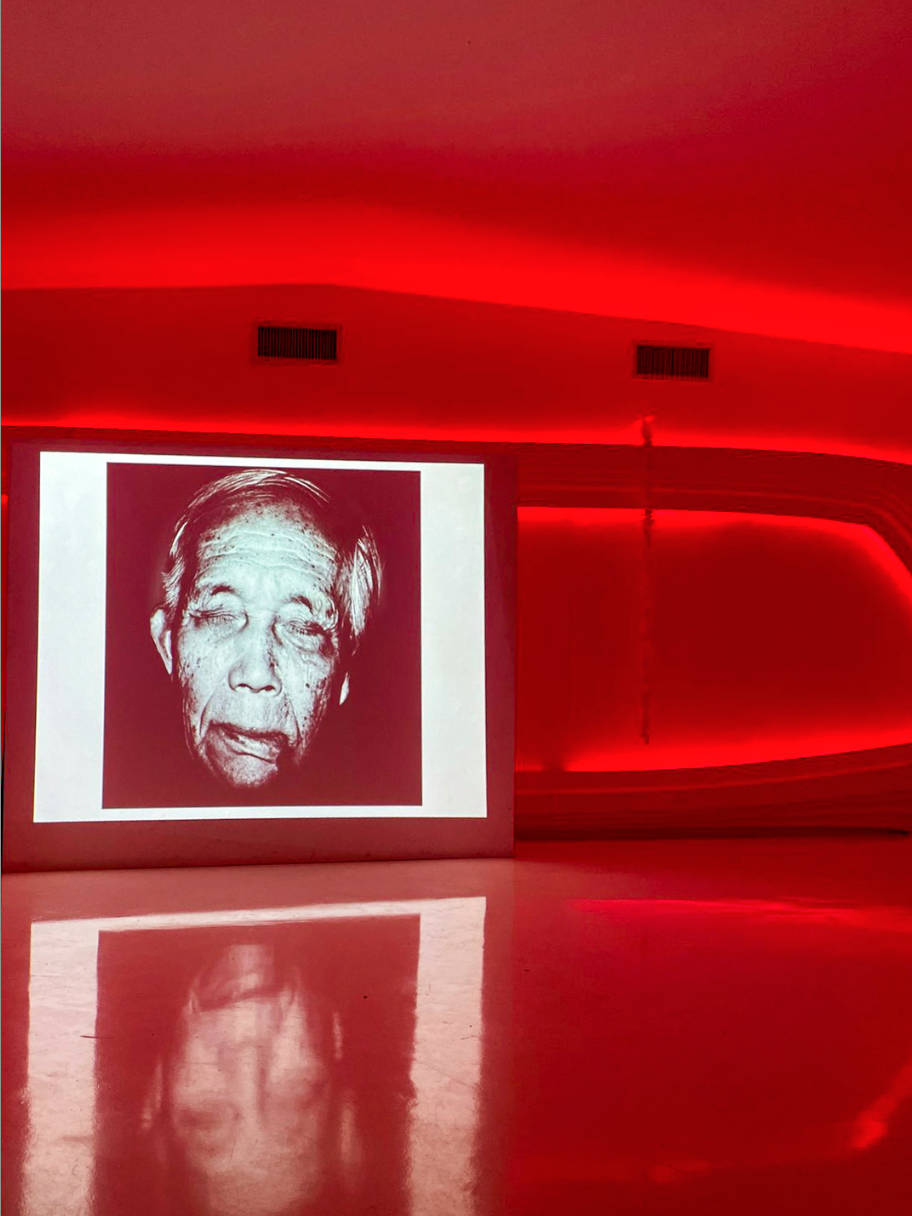
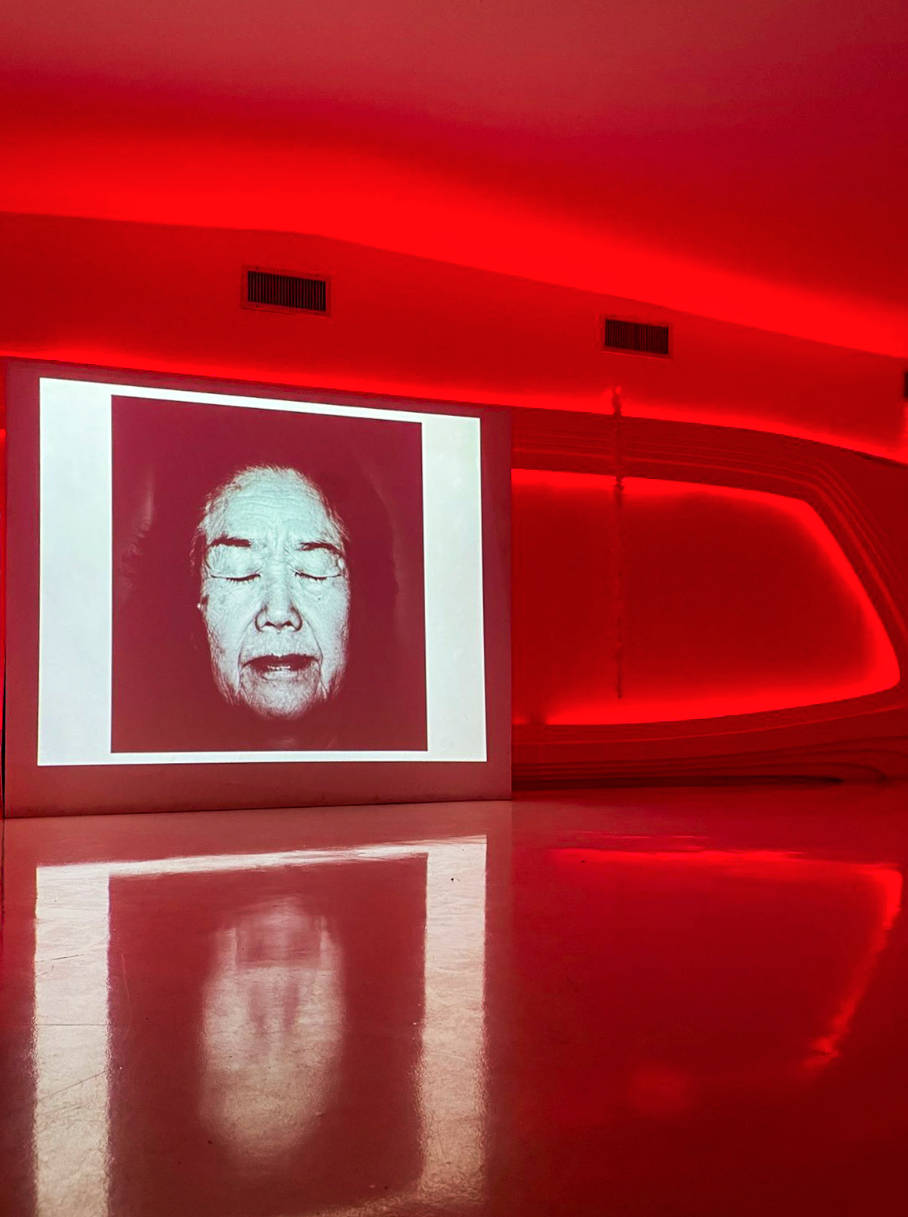
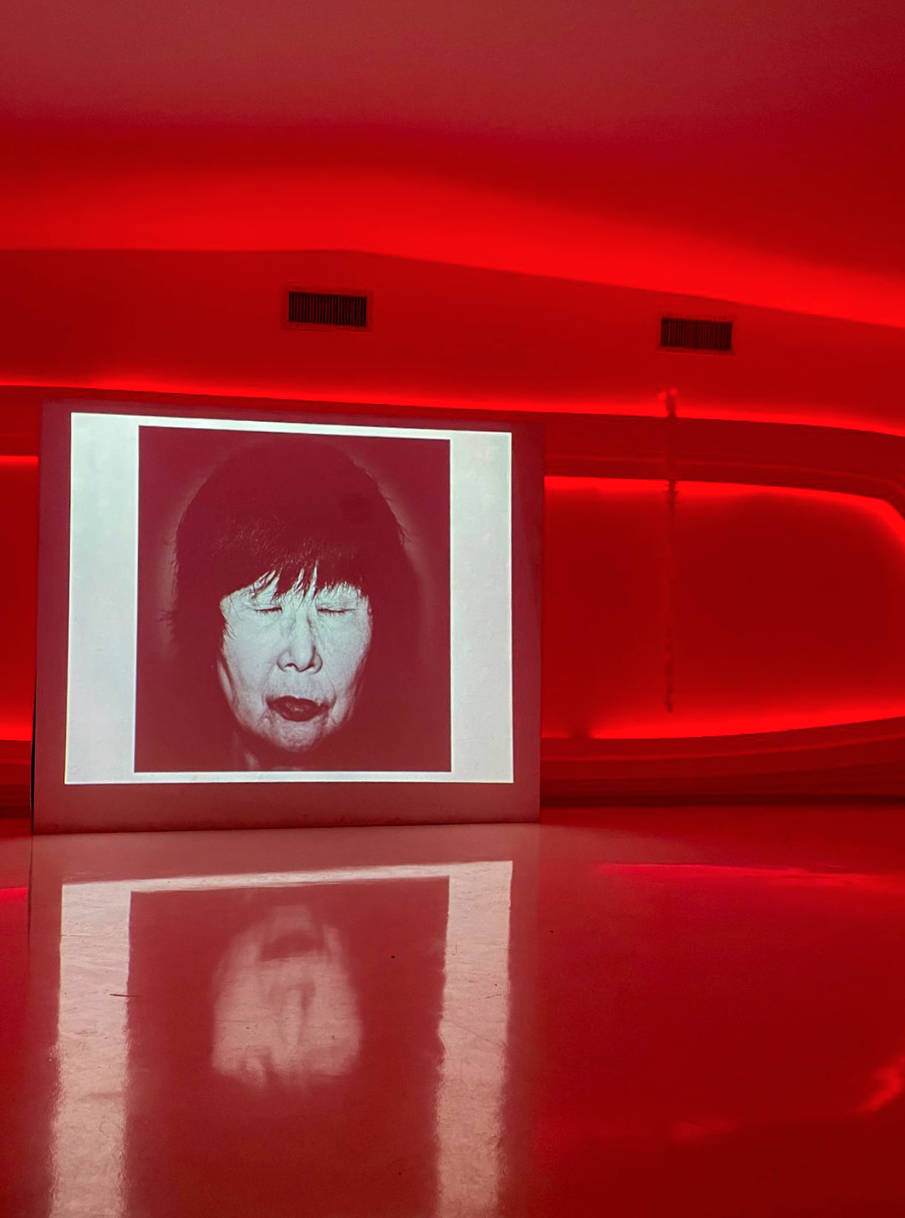
Hibakusha is a word of Japanese origin generally designating the people affected by the atomic bombings
of Hiroshima and Nagasaki at the end of World War II.
HIBAKUSHA TESTIMONIES by Werner Anderson
The Hibakusha Testimonies is a tribute to those who survived the unspeakable, and a call to the present and future generations to never forget the true cost of nuclear warfare. Through their words, their suffering, and their resilience, we are reminded that peace can only be achieved through mutual respect and the complete abolition of nuclear weapons. The Hibakusha have given us their voices; it is up to us to listen and act.
This project, like the testimonies themselves, is a reminder that peace without the threat of annihilation is not just a hope—it is a necessity for the survival of humanity.
The Hibakusha Testimonies project is a deeply poignant and powerful artistic documentary that centers on the testimonies of those who lived through the devastation of the atomic bombings of Hiroshima and Nagasaki. The Hibakusha (translated as “the bombed ones”) are the survivors who bear witness to the horrors of nuclear warfare and whose voices carry an unyielding message of peace, humanity, and the urgent need for disarmament. This project is not political, but human, aimed at reflecting on the human cost of nuclear weapons and the possibility of a future without them.
In the autumn of 2018, I had the privilege of interviewing 16 Hibakusha from Hiroshima and Nagasaki. These survivors shared their harrowing stories of the moment the bombs exploded, their experiences in the aftermath, and the profound emotional and psychological scars left behind. Their testimonies are not just historical records, but an urgent appeal for peace in a world where nuclear weapons continue to threaten our very existence.
The Voices of Hibakusha
The voices of Hibakusha are unforgettable and their stories must be heard. The following quotes represent a small fraction of the testimonies captured in this project, each a vivid and haunting description of the day the bombs fell and the aftermath:
- Kasaoka Sadae:
“I was standing in front of a glass window in the front of the house, it was about 2.5 meters. At that moment, it flashed brightly. The light was very beautiful. It was orange, just like the sunrise. The glass window broke and came towards me. For a moment, I couldn’t understand anything. It turned pitch black.” - Kajimoto Yoshiko:
“At 8:15 a deep blue light reflected beautifully in the window. In that moment I thought, it’s a bomb! There was a staggering sound and the ground blew up, as if the Earth itself was exploding. The last thing I remember is my body floating in the air.” - Morishita Hiromu:
“In that moment, there was a huge flash of light and we – it was like we were thrown straight into a big – a huge – smelting furnace. That’s what it felt like. Normally, you would think ‘what’s going on?’ but it wasn’t even like that. It was like we had entered another world, and what was in front of our eyes was like something filmed with a camera. No feelings, just the view appearing as if on a movie screen.” - Ikeda Michiaki:
“As we went into the field, it suddenly started raining. The raindrops were big, around the size of the tip of a little finger. I looked up towards the sky, and it was pitch black. The mushroom cloud had risen high up in the sky.” - Kajimoto Yoshiko:
“It was pitch black around me. I didn’t remember anything that had happened, so I was scared. Where am I? What am I doing? I was extremely scared. Because of that pain, I knew I was alive.” - Kasaoka Sadae:
“There were atomic bomb survivors (hibakusha) going to the nearby hospital. They looked like ghosts, holding their arms up in front of them. Their faces whitish gray, their clothes hanging in tatters, they were walking slowly. I really thought they were ghosts. I saw fireballs and ghosts.” - Kajimoto Yoshiko:
“Hiroshima was a different place then before. There were no buildings whatsoever, the blazing hot sun was gone, and it was dark as if it was evening. The town was strangely quiet.” - Ikeda Michiaki:
“A nurse was crouched down, leaning against the wall. She was completely drenched in blood. As if someone had poured a bucket of blood over her. In the courtyard, there had been a flower garden with a lot of trees. But now it was like a sea of fire.” - Kajimoto Yoshiko:
“The sky above Hiroshima was blood red. I thought of my family. I wondered whether my mother was all right, I thought about my brother who had been mobilized that morning, my little sister who had been at home… We were all worrying about our families, so nobody slept a wink. We spent the whole night crying. That was the first day.” - Kasaoka Sadae:
“The loneliest thing, the hardest thing, was to not have parents. The saddest thing, was to come home and not be able to say ‘Mother, I’m home!’. Father was badly burnt. He lived for about 2 days. We had to take him to the beach, dig a hole, and cremate him ourselves. There were many other people there, doing the same with their family members. In the evening, there were blue fireballs. I thought they were the souls of the dead.” - Emiko Okada:
“I was 8 years old. In an instant the bomb dropped. The schools, my house, the buildings, were burning like crazy. The sound crushing house. I remember the organ, that beautiful instrument. The trees in my yard. All blown away. Then the sound of burning leaves. And I saw a girl who was trapped under a pillar and asked me to help her. But I couldn’t help her, she just cried, ‘Mother!’, and then died. I saw many people asking for help, but I abandoned them. So, whenever I see the red sky in sunset, I remember the scenes. I left them. And then I just apologize in my mind. I hate the burning red sky in the evening.” - Emiko Okada:
“I had an older sister who was 12 years old. She left home, saying, ‘See you’ just 15 minutes before the bombing. And since then, she never come back. For 73 years, she hasn’t come home. She was proud, and she had dreams and hopes. In her grave, we have no bones. No ashes. Only her name on the gravestone. Children are the treasure of the world. In order to keep them safe, we have to eliminate nuclear weapons.”
Why I Chose to Create This Project
The Hibakusha Testimonies project is born out of a deep need to give voice to those who have witnessed the unimaginable—the total annihilation of a city and its people in the name of war. It is a personal and artistic response to the question: What does it mean for humanity to live in a world where peace is conditioned by the threat of mutual destruction through nuclear weapons? The Hibakusha, with their firsthand experience of the absolute horror of atomic warfare, offer a message that transcends borders, ideologies, and politics.
Their stories are not just memories of a tragic past, but urgent calls for the future. A future where the very weapons that brought about their suffering must never be used again. This project is not about politics—it is about humanity. It is about the ethical responsibility we all share in preventing such horrors from happening again.
Through the Hibakusha Testimonies, I hope to challenge the way we think about nuclear weapons, to shift the discourse away from “weaponry” and towards “extermination mechanisms,” as American analyst Daniel Ellsberg described them. The message is clear: nuclear weapons are not just tools of warfare—they are tools of total destruction.
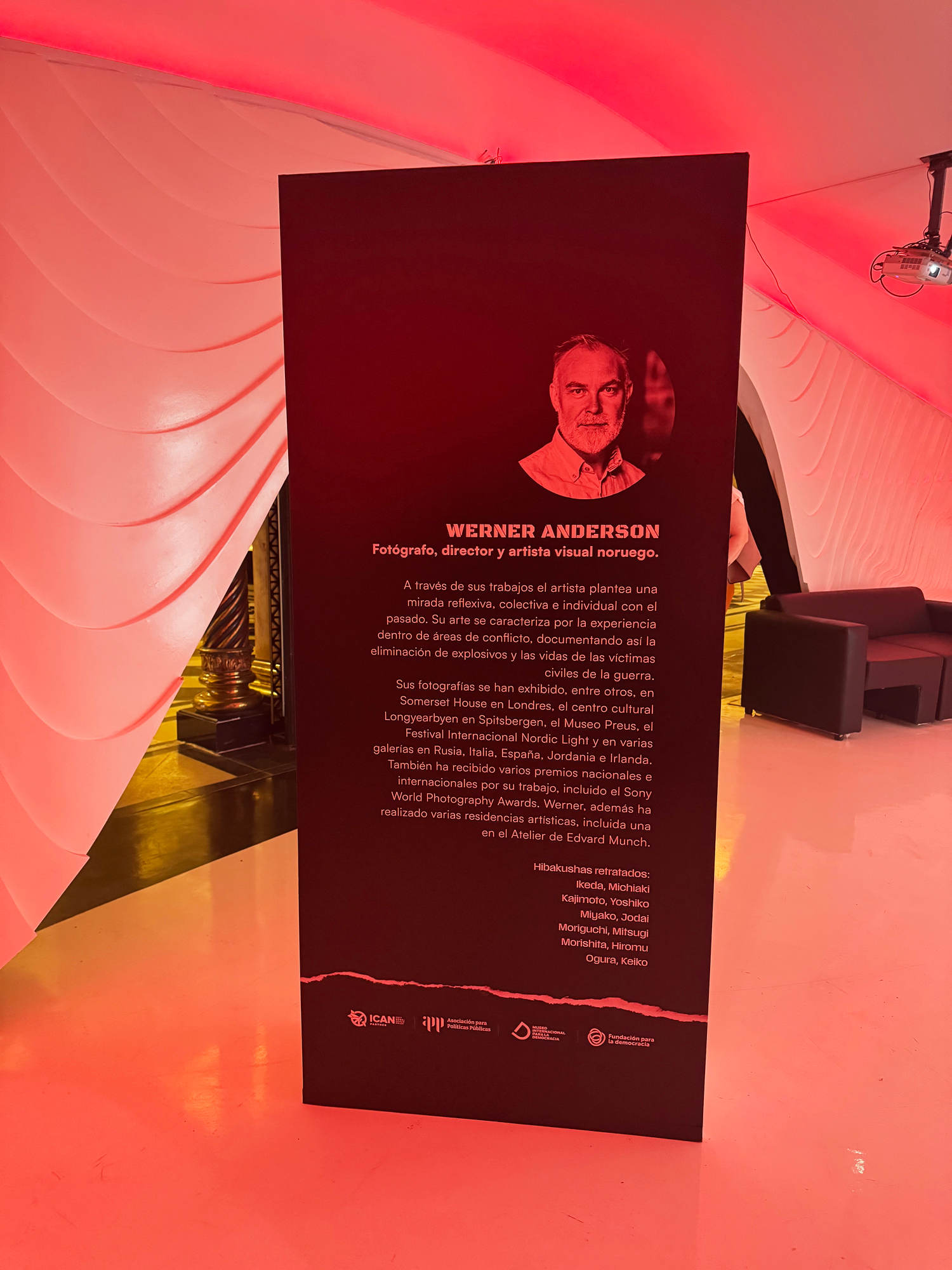
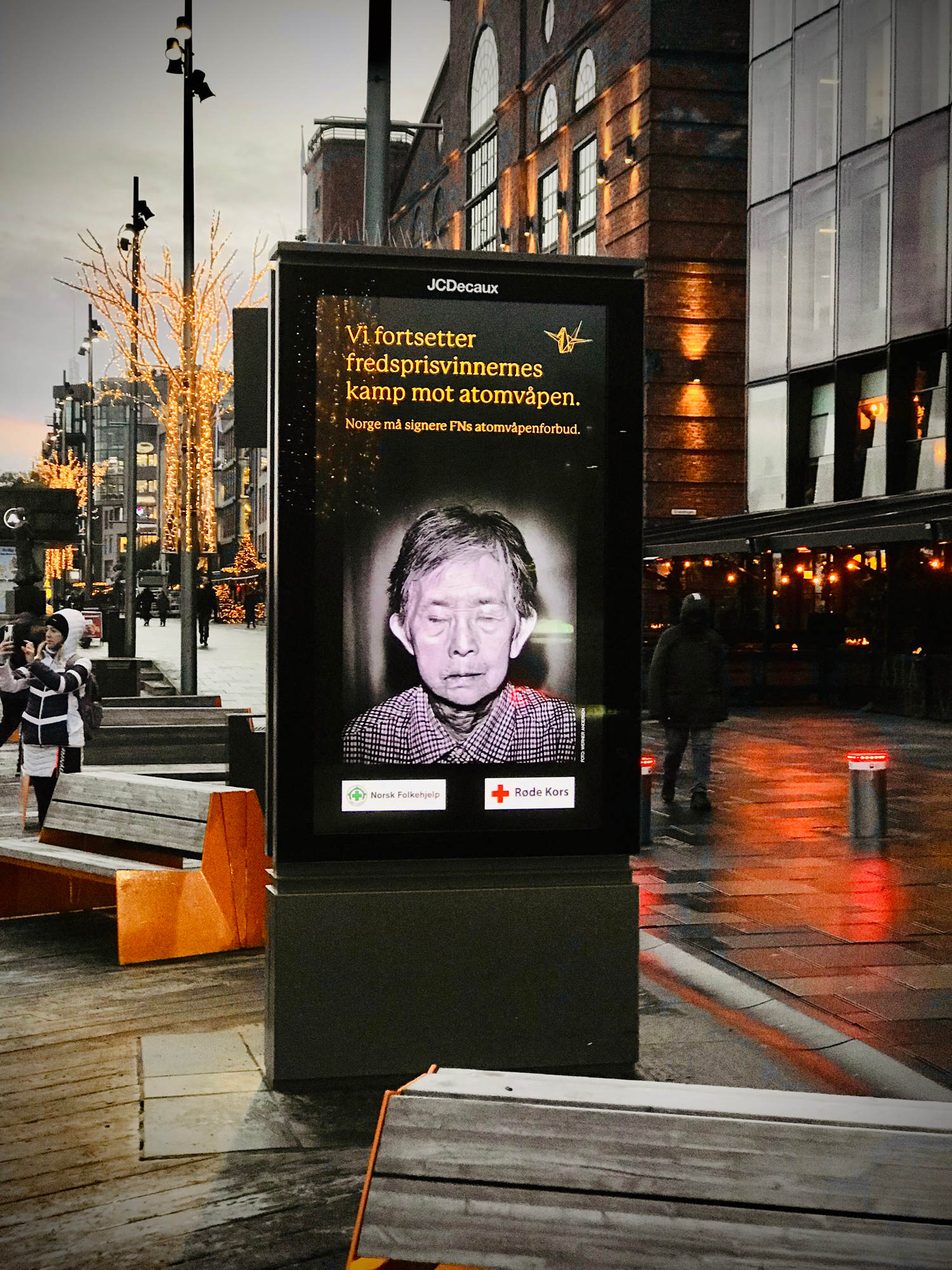
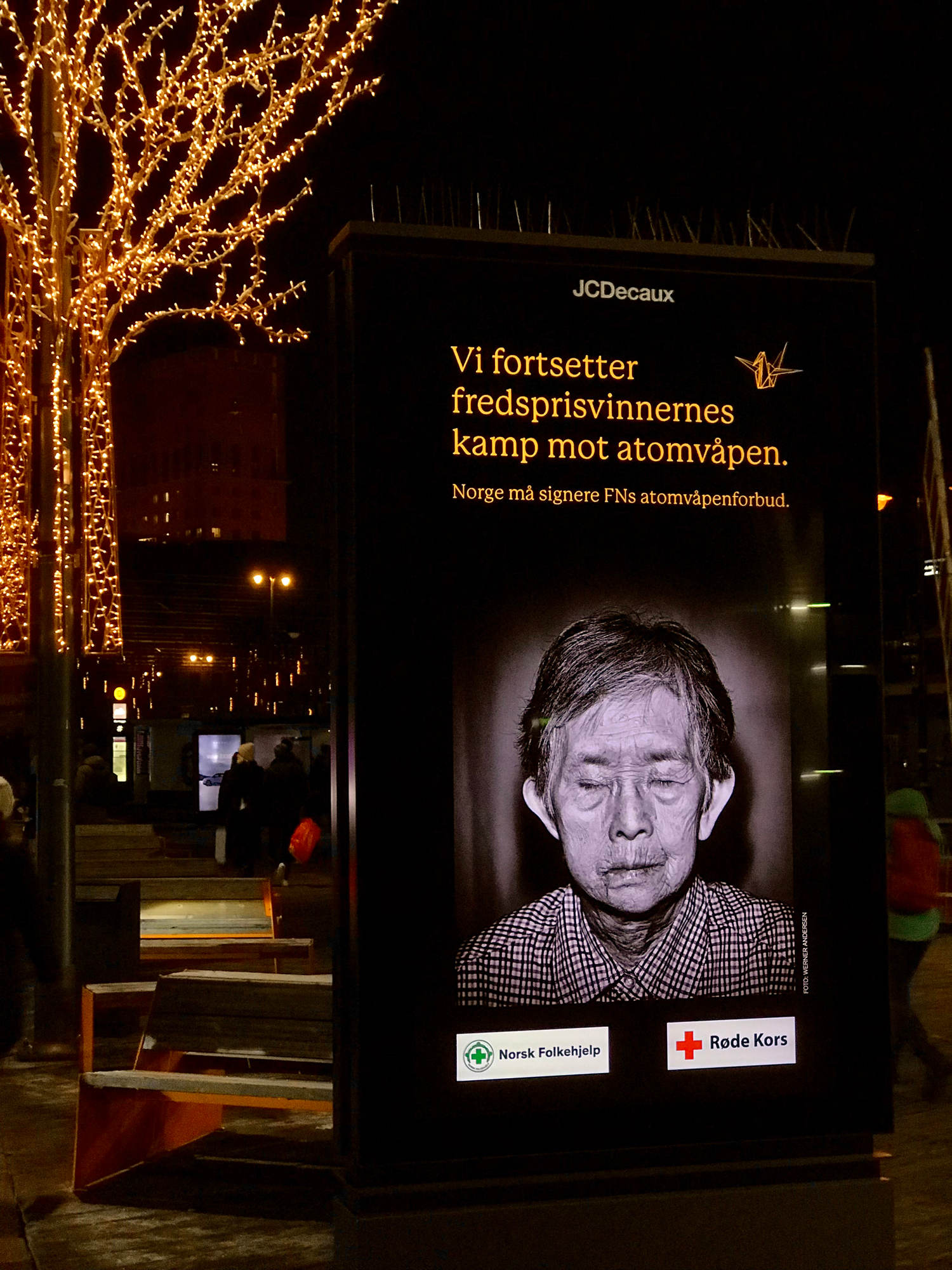
“We are honored to feature your powerful portraits of Hibakushas in one of our exhibition rooms. These portraits serve as a profound reminder of the devastating and lasting impact of nuclear weapons.
Despite a reduction in the number of nuclear warheads since the Cold War, the destructive capacity of modern arsenals far exceeds that of earlier bombs, and the threat of their use remains ever-present. Your work brings attention to the personal stories of those who survived these atrocities, emphasizing the continued danger nuclear weapons pose to humanity and the future of global security.”
Lara A. Chiavarini
Manager
International Museum for Democracy


