Pilgrim

I spent many years travelling through landscapes marked by war. I went out into the world to understand people. Eventually, I walked into nature so I could continue to meet them.

I never intended to make a project about pilgrimage. I simply started walking.
Just one step after another.

The word pilgrim comes from the Latin peregrinus — a stranger, someone travelling through unfamiliar landscapes in search of meaning.
The photographs in Pilgrim were created over several years of walking. They began as black-and-white photographs, but during this project I started hand-colouring them for the first time. Layer by layer I introduced the colour of sunlight—yellow—together with genuine gold leaf.
Gold can represent divine light and hope. But also, temptation, imperfection and contradiction. Perhaps we carry all of these within us.
Walking never erased what I had seen. It simply gave me space to carry it.

For me, Pilgrim is not about arriving somewhere. It is about walking with greater attention. About discovering that the longest journey sometimes leads quietly back to us.

pilgrim

“I have wandered far, seen much.
Wondered at the shapes of nature,
in a slow and untroubled rhythm.
My freedom feels complete,
in silence and in storm.
In all simplicity,
a humble spiritual companionship
with creation.”

— Werner Anderson

HERBARIUM

Inspired by my father’s school books and some old display cases from the 50s,

I have created art photographs of dead flowers and insects.
Do we continue to ignore other species, or has a new era come;

where knowledge gives respect to all life on earth?

No flowers,

no insects,

nothing.

SCAR

For many years I photographed the consequences of war in other parts of the world.
Then, on 22 July 2011, terror came home to peacful Norway. For the first time, I didn’t know how to photograph.
I kept returning to the same question:

How do you tell a story when it has become your own?

That question stayed with me for nine years.
It became SCAR.
I realised that a single photograph could never hold what I was trying to understand.
The work slowly grew into an installation where every material carried meaning. Photographs from Utøya were printed on soft cotton paper and framed in raw steel. Fragments from the Government Quarter were printed on brushed aluminium. Sound, space and movement became part of the work.
I wasn’t trying to reconstruct what happened.

I was trying to understand what remained. Not only in the landscape. But in our shared memory.
SCAR became my way of asking whether a photograph can reveal what is no longer visible. Or whether sometimes we need to look differently to see what still shapes us.

JAPAN
Melancholia

Nature and man. How are the two of us really doing? How is our relationship today?
Are we losing each other soon, or maybe it has already happened?
Do you also feel a Melancholy?

Observer

For many years I believed photography was about seeing.

After working as a documentary photographer in places marked by war, loss and displacement, I began to wonder if it was really about something else. Perhaps photography is less about seeing than about paying attention.
Observer marked a turning point in my artistic practice.

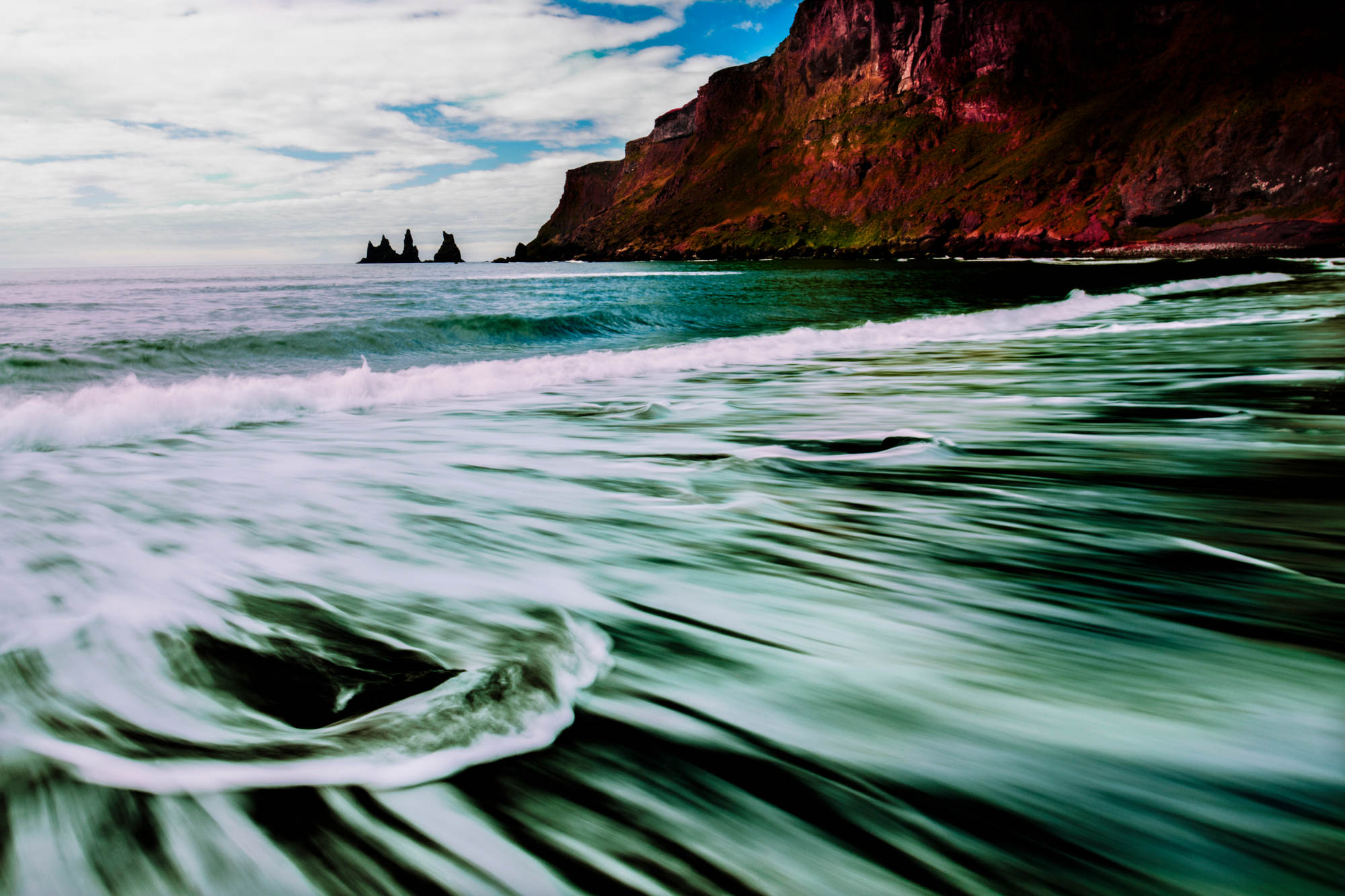
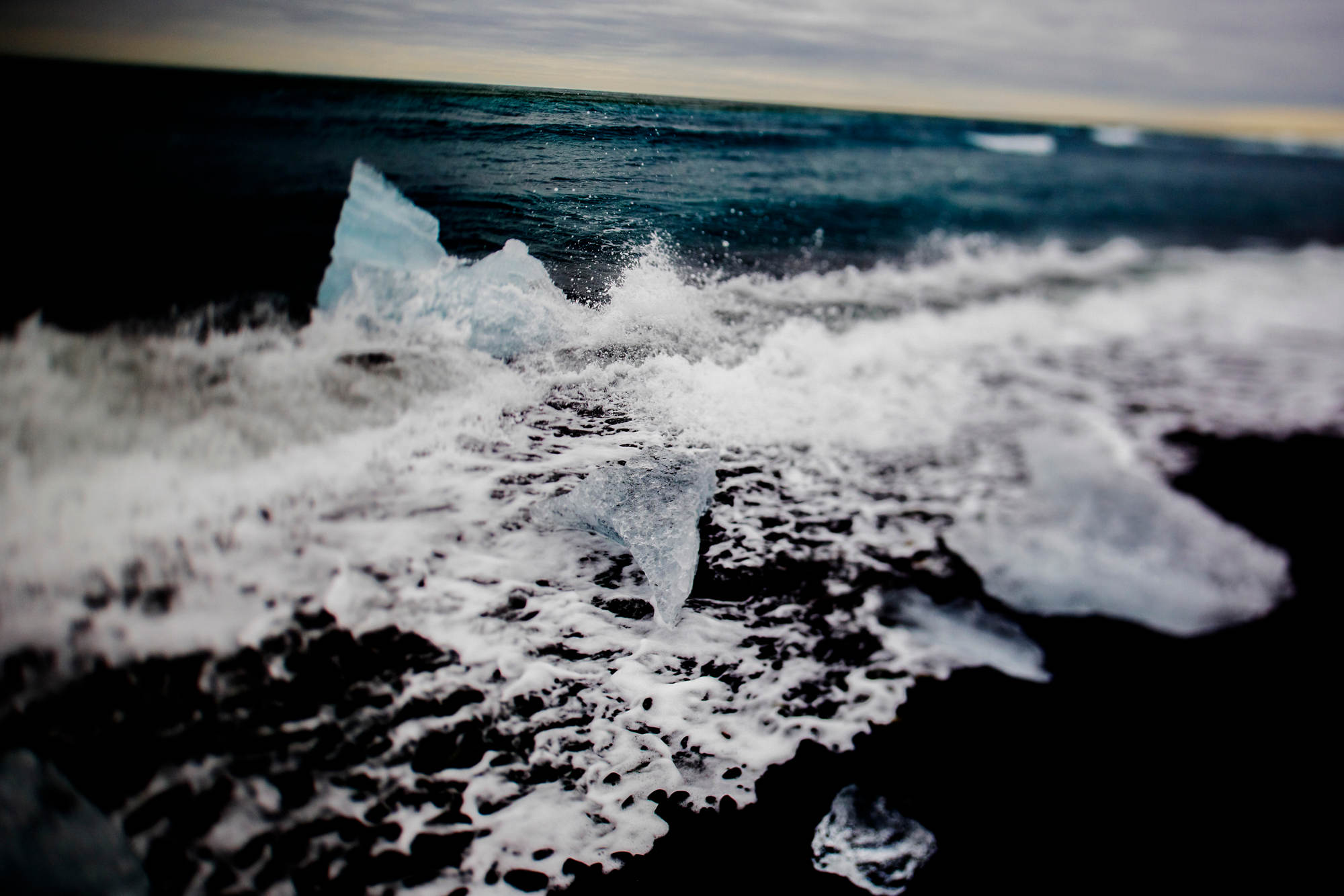
I travelled to Iceland, carrying with me everything I had seen during nearly a decade in conflict zones. The volcanic landscape felt ancient, wild and unfamiliar. Its deep greens, shifting light and dramatic silence mirrored something I could not yet put into words.
For the first time, I did not photograph the world as it was. I photographed it as I experienced it.
The documentary photographer in me was still present, but I allowed intuition to lead. The landscape gradually became an inner landscape.

These photographs are not intended to explain what you are looking at. They invite you to slow down. To stay a little longer. To notice the poetry hidden in ordinary places.The melancholy that often lives beside beauty. And the quiet signs of hope that are easy to overlook.

Looking back, I think Observer was the beginning of a question that has stayed with me ever since:
How can photography reveal not only what we see, but also what we carry within us?

Perhaps every photographer is, first of all, an observer. Not someone with better eyes than everyone else. But someone willing to look a little longer. Long enough for the world—and perhaps ourselves—to reveal something we hadn’t noticed before.

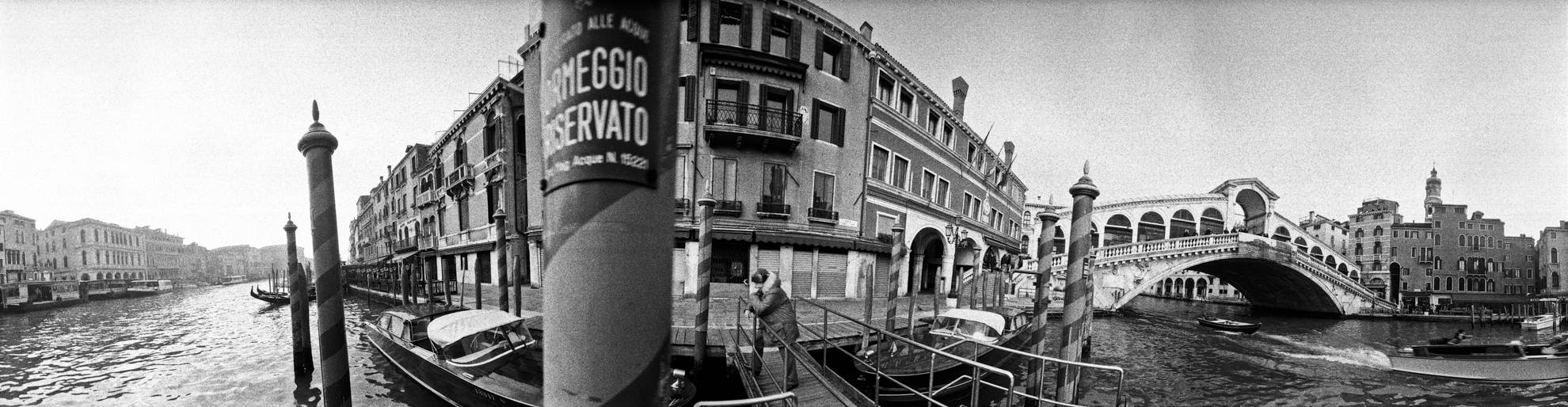
Panorama
Arctic Mood

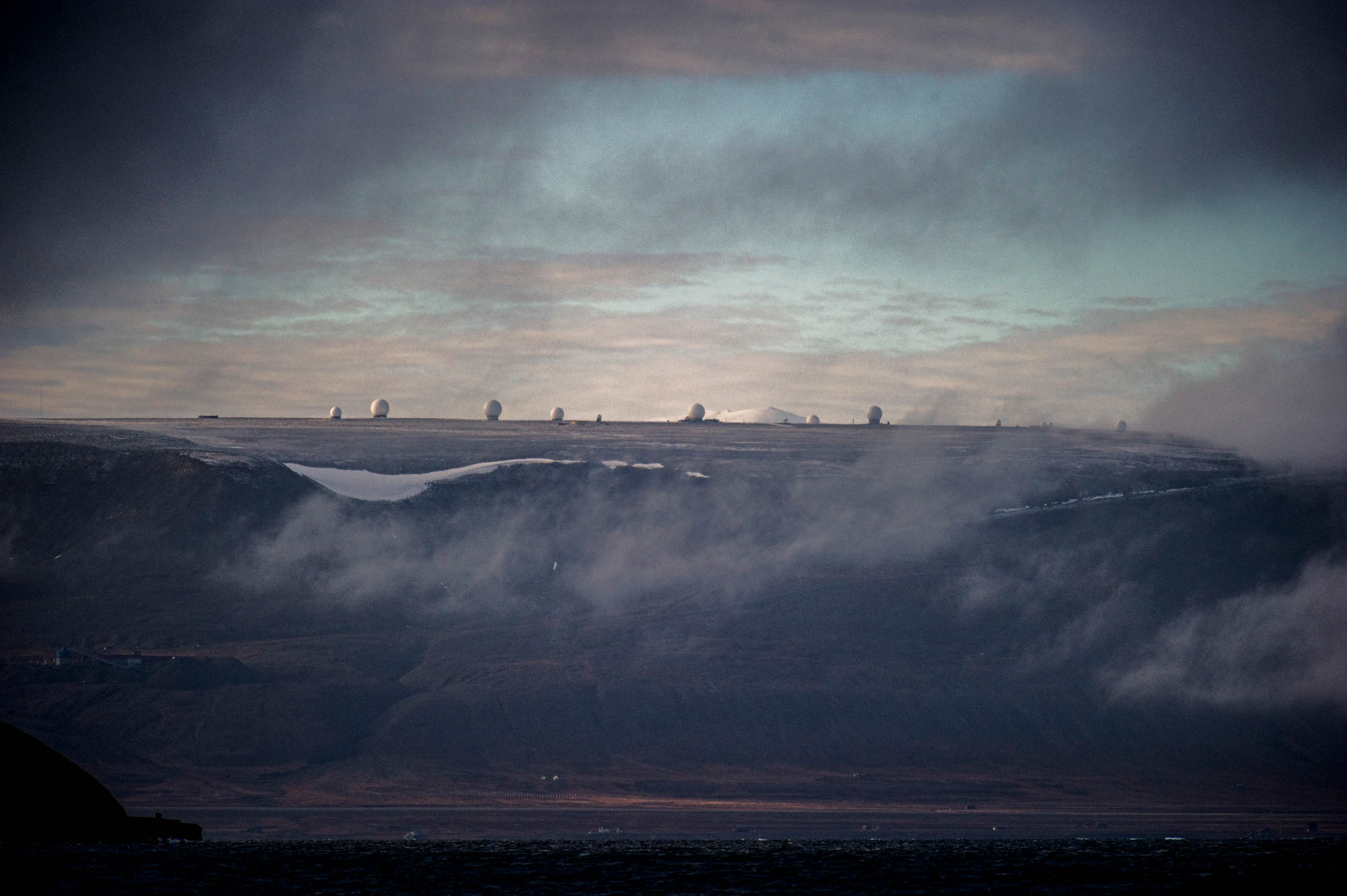
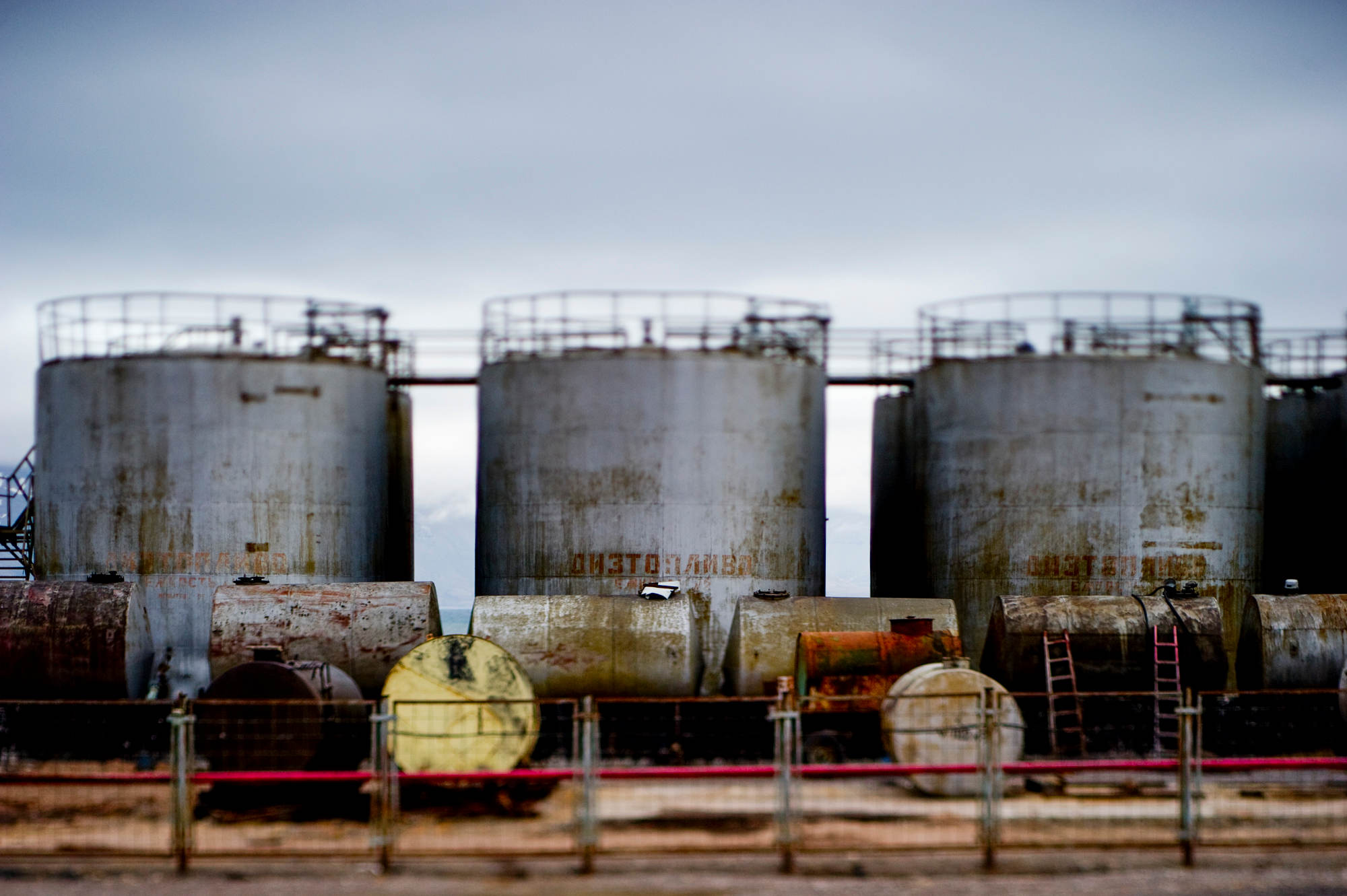
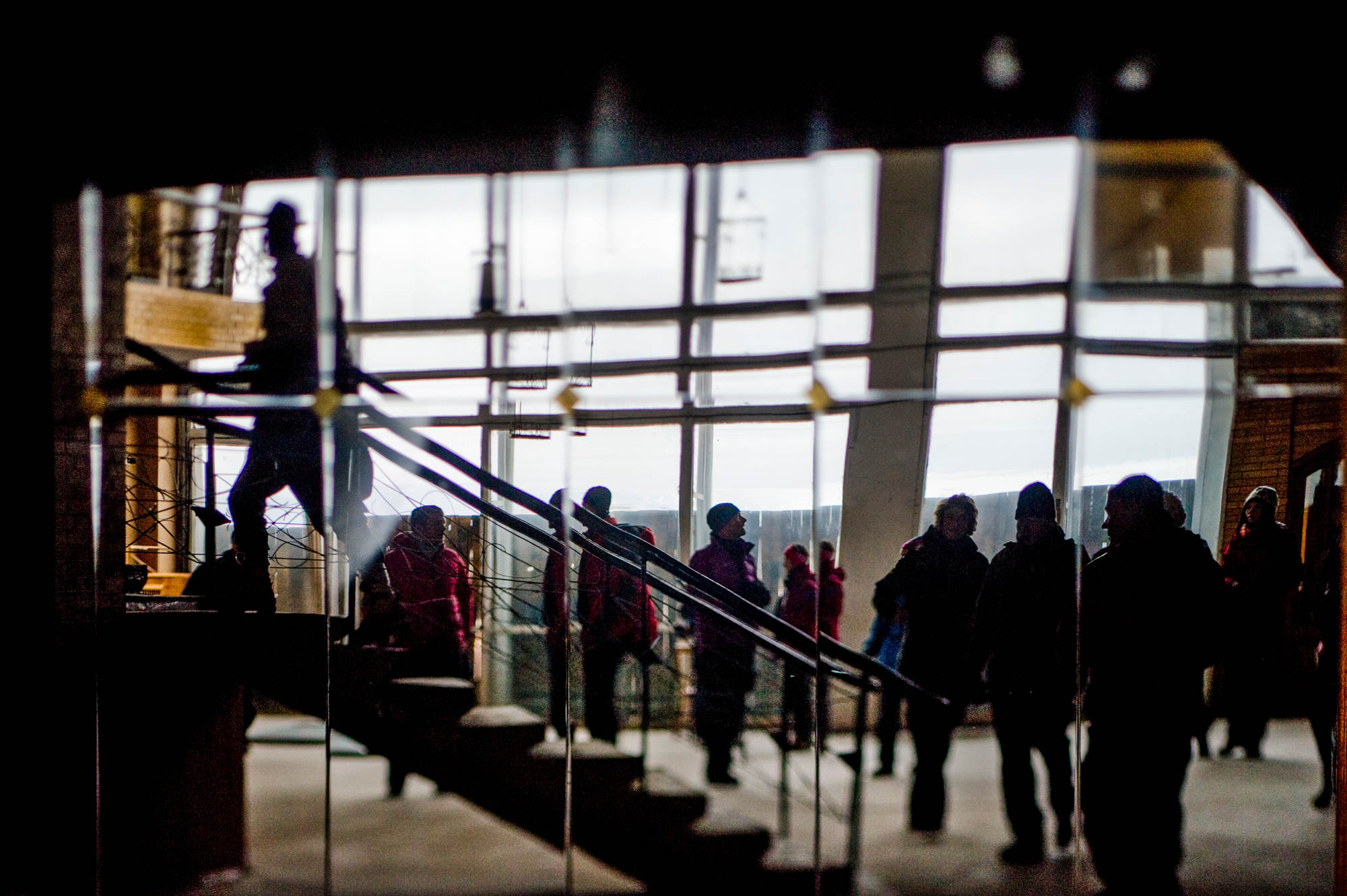
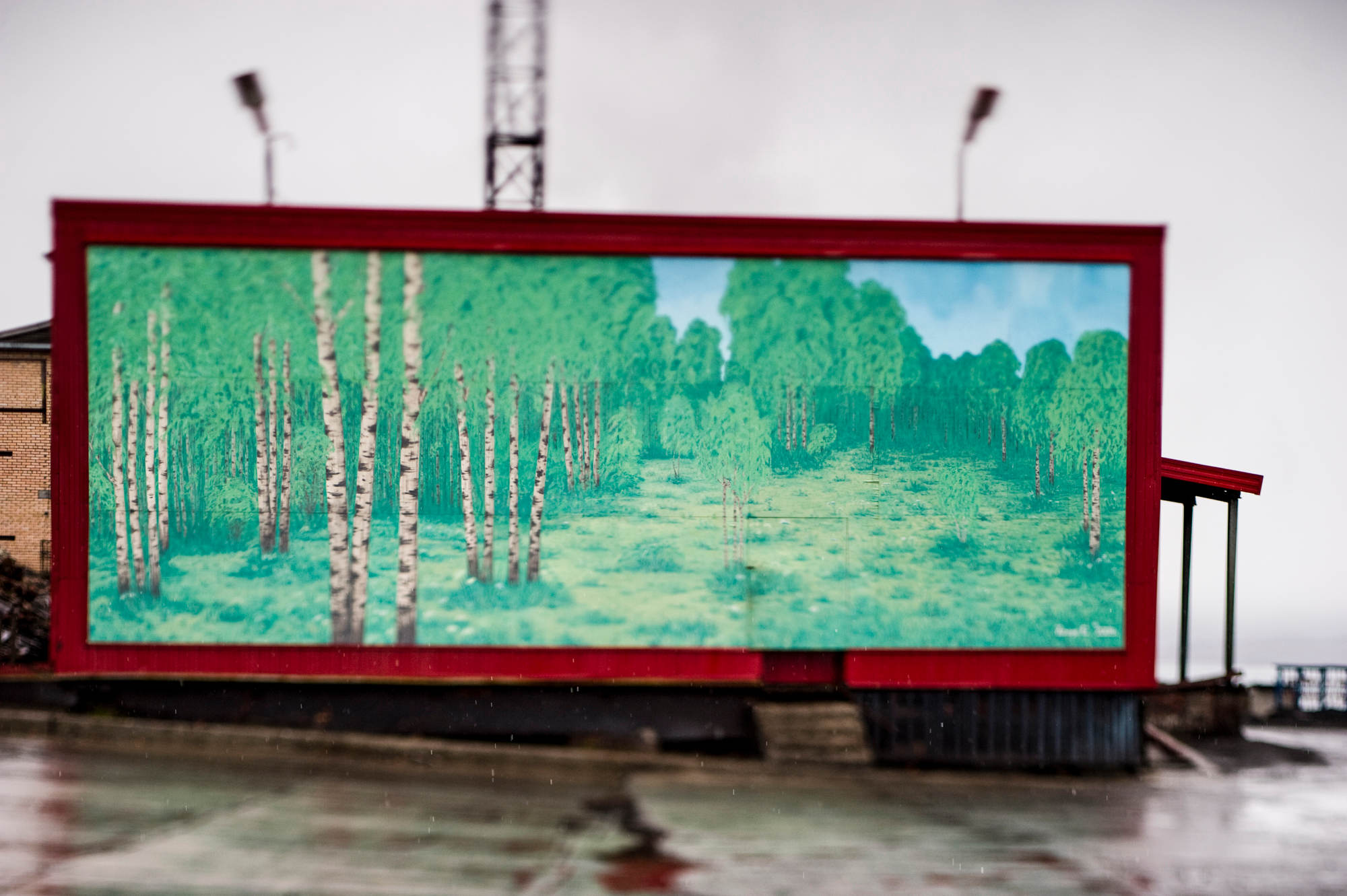
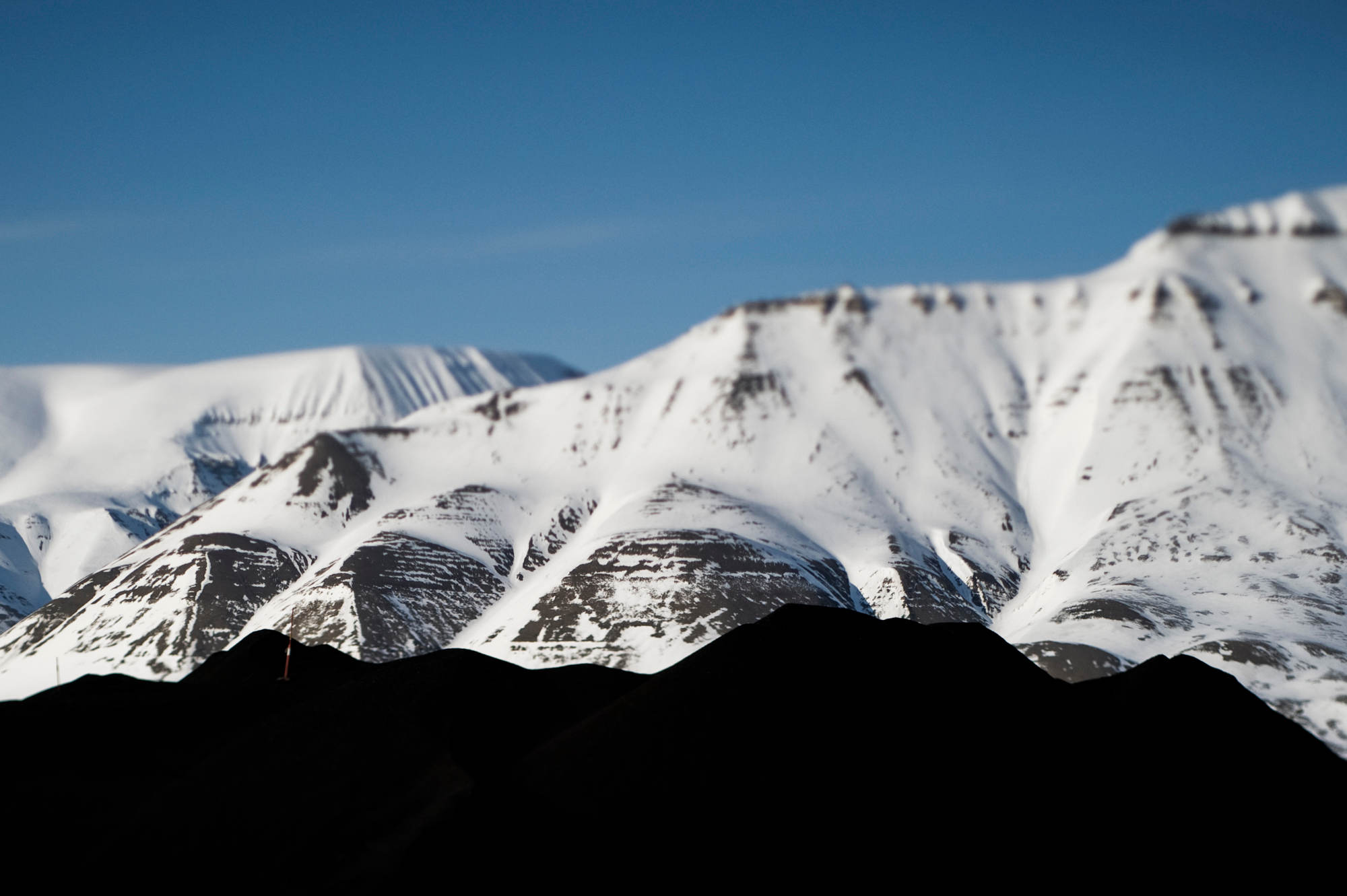
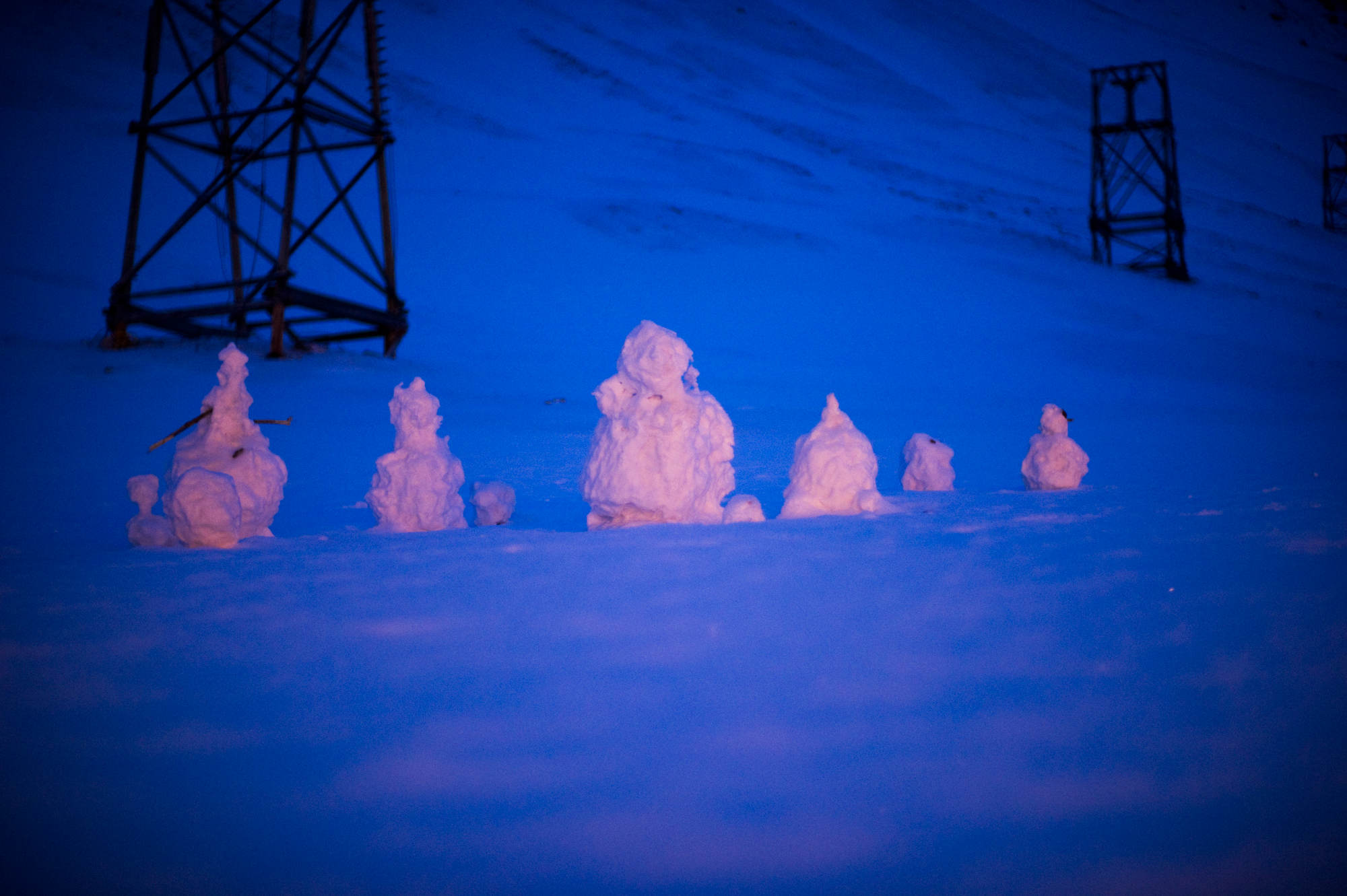
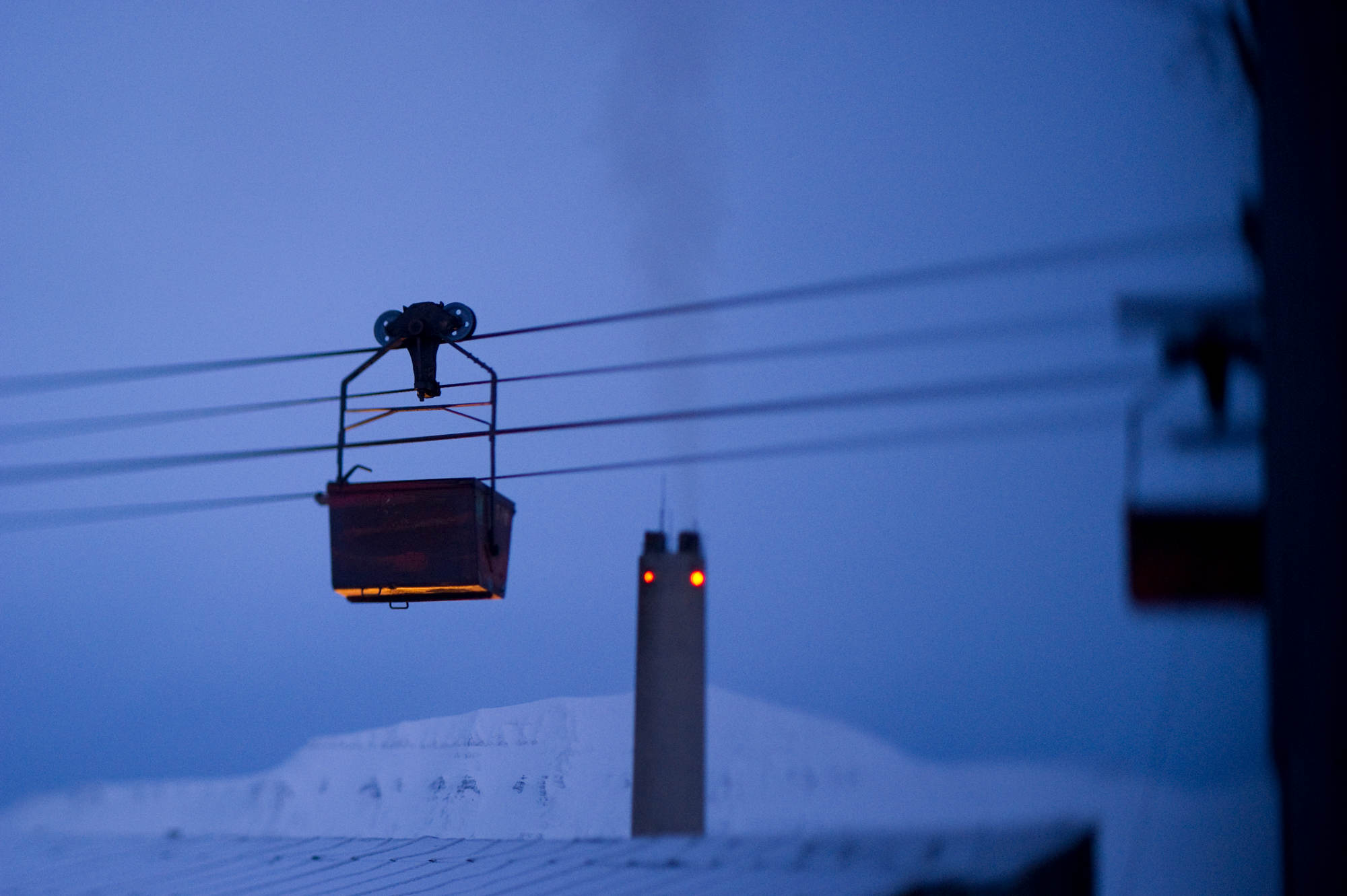
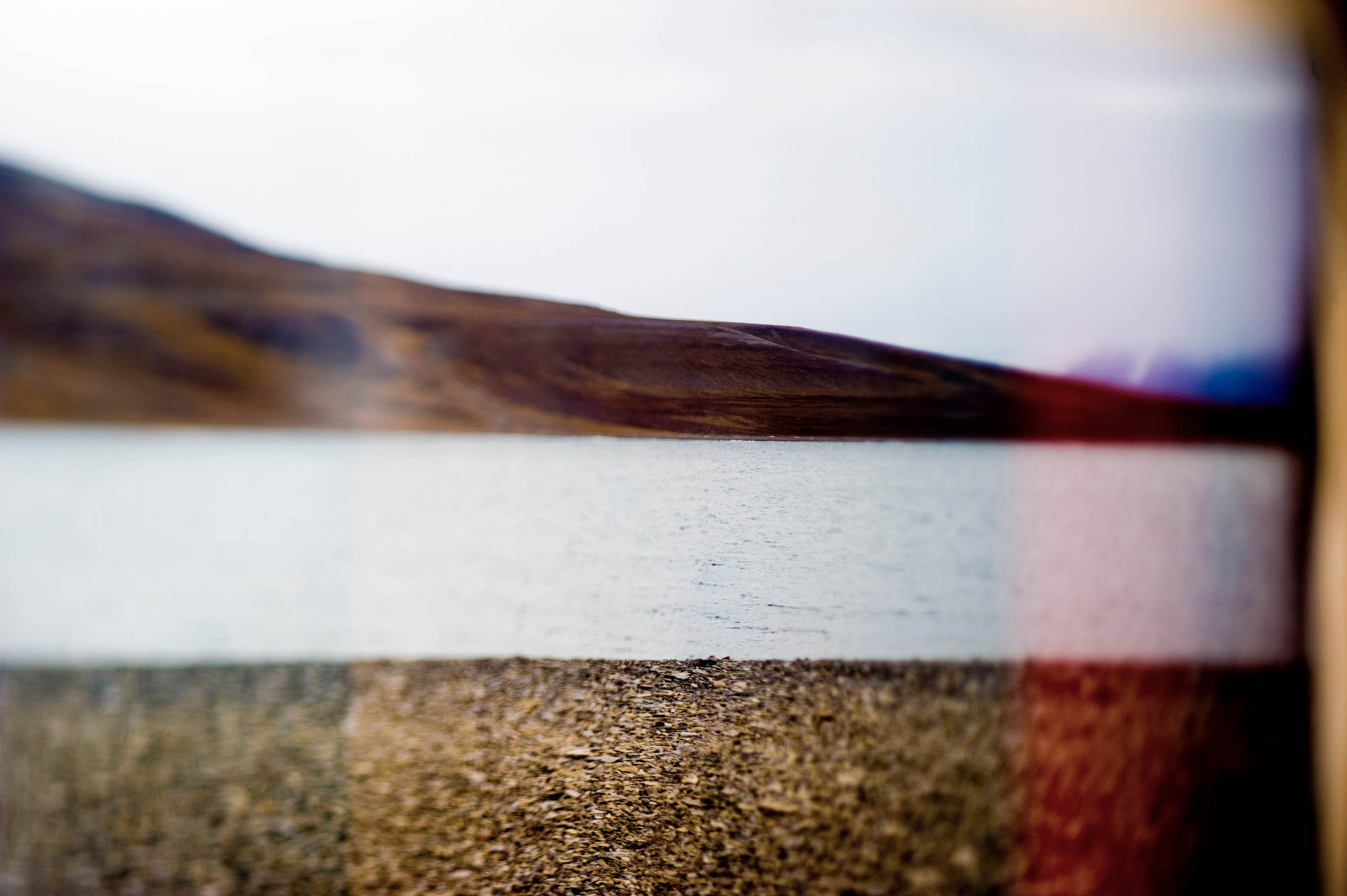
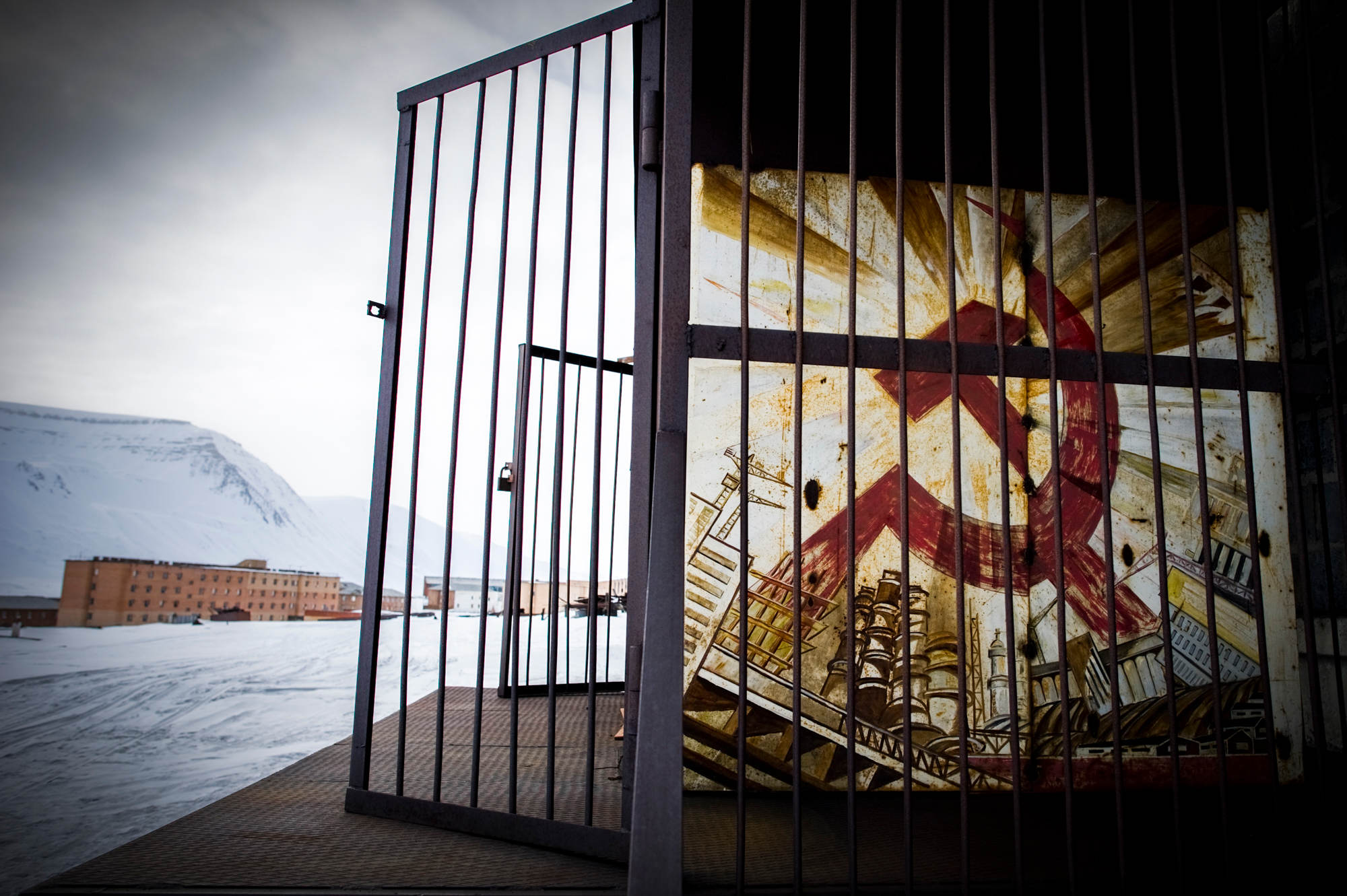
Photographer Werner Anderson and musician and composer Brynjar Rasmussen have visited Svalbard repeatedly. They are deeply fascinated by this unique and contrasting archipelago, unlike anything found in mainland Norway, and have used it as a source of inspiration for new artistic exploration and expression. Northern Norway Jazz Centre has therefore commissioned a work by Rasmussen, which, together with Anderson’s photographs, forms a powerful performance built on Svalbard’s unique position as a hub for hunting, research, mining, and as a security-political arena. Their love and deep respect for the archipelago are conveyed through images, text, and sound sources, which together describe the different elements. The visual and artistic components are presented in a way that invites reflection, curiosity, and wonder.

They dig from the future back to the past. Using today’s modern space technology surrounding Longyearbyen, they unravel their way through the mine tunnels and into the trapper’s huts. They carve their own path in a frontal attack on the chronological history.

(Text excerpted from the foreword in the book Arctic Mood by Arne O. Holm)

Naken

We all have a body.

Some of us care for it. Some of us struggle with it. All of us carry the marks of a life lived.
I’ve never been interested in photographing the perfect body. I’m interested in the body that remembers. The body that carries time, choices, scars and tenderness.

NAKEN began with Polaroid photographs made using an instant camera. Each image was transferred onto delicate watercolour paper before being photographed again and enlarged many times over. Through this slow, tactile process, dust, chemistry and imperfections became visible. They were never removed. They became part of the work.

The marks are not imperfections. They are evidence of a life lived.

For me, NAKEN is not about nudity.
It is about vulnerability.
About allowing the body to exist without pretending to be something it is not.

What does it mean to be seen, just as we are?


Privacy Settings
We use cookies to enhance your experience while using our website. If you are using our Services via a browser you can restrict, block or remove cookies through your web browser settings. We also use content and scripts from third parties that may use tracking technologies. You can selectively provide your consent below to allow such third party embeds. For complete information about the cookies we use, data we collect and how we process them, please check our Privacy Policy
Youtube
Consent to display content from - Youtube
Vimeo
Consent to display content from - Vimeo
Google Maps
Consent to display content from - Google