Pilgrim – Gamle Aker Kirke, Oslo 2025
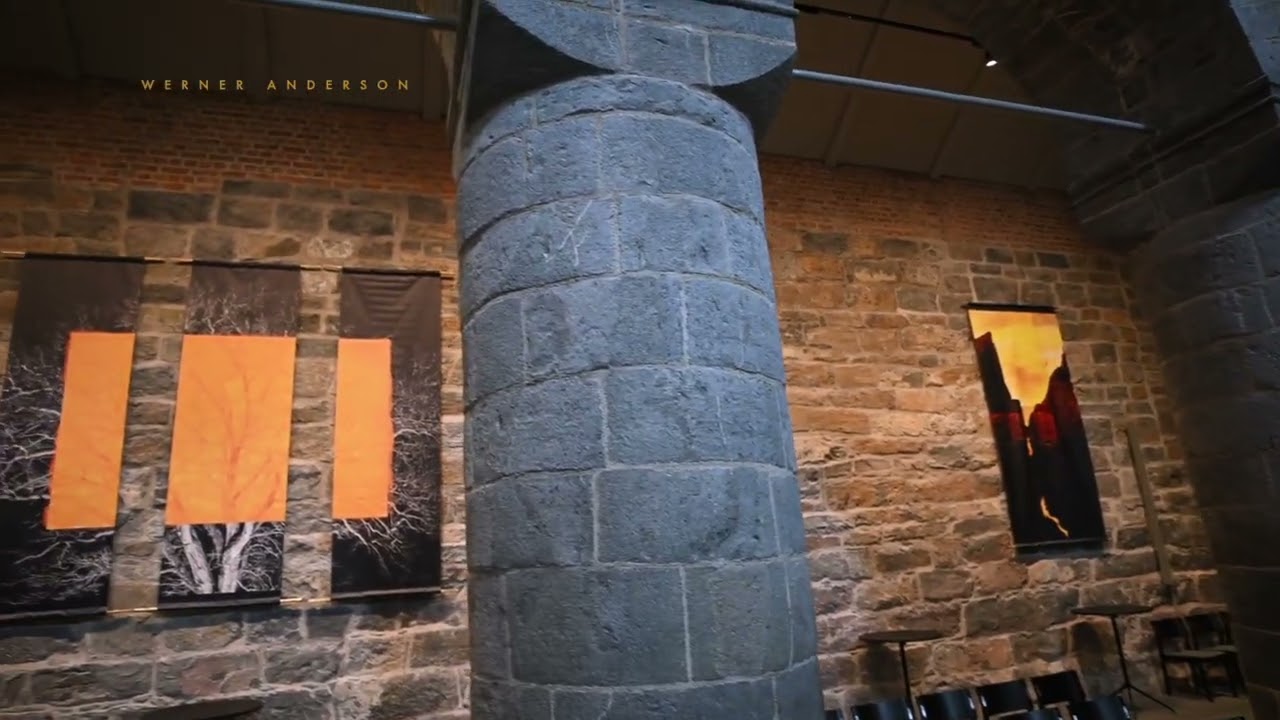
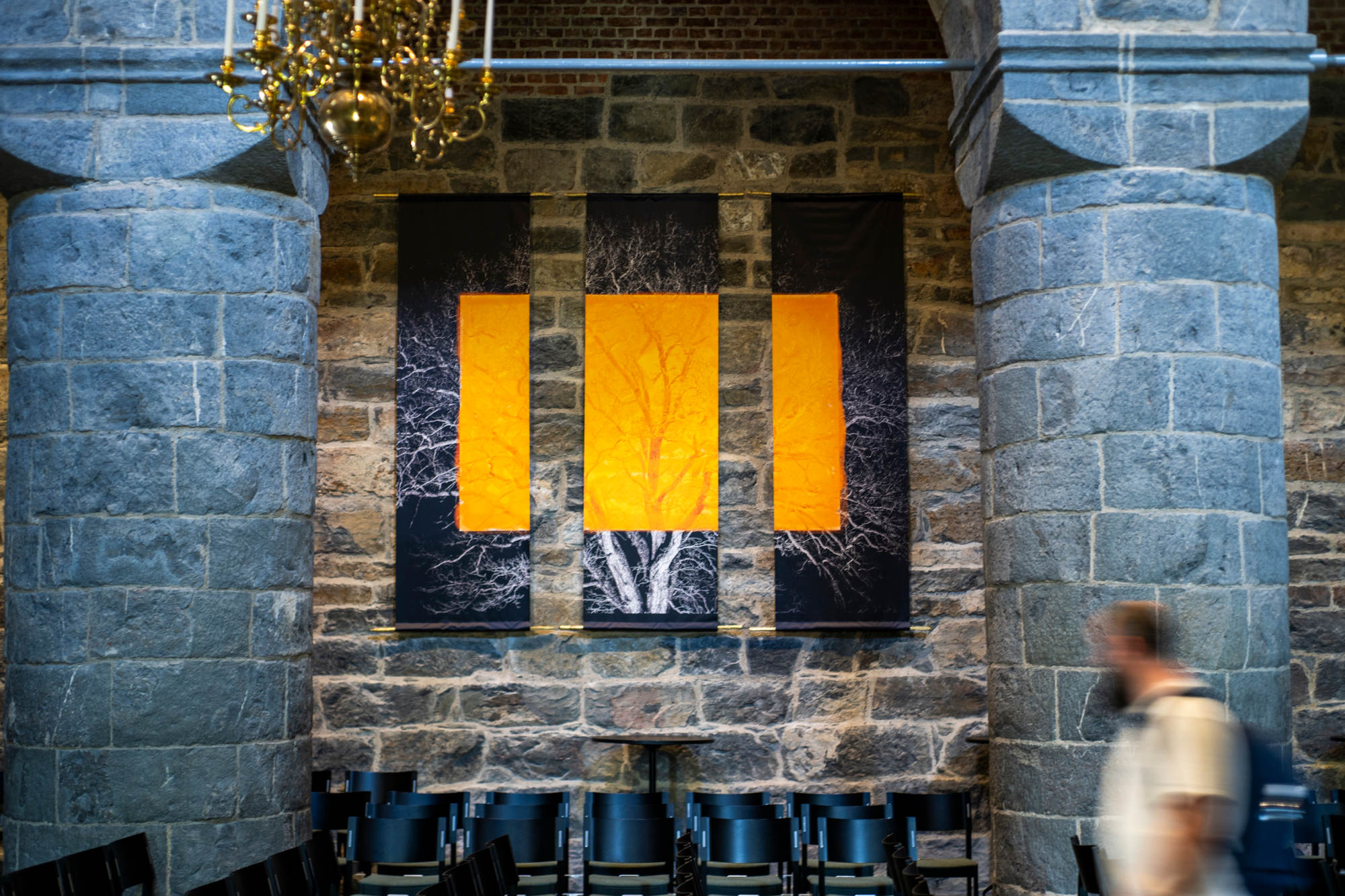
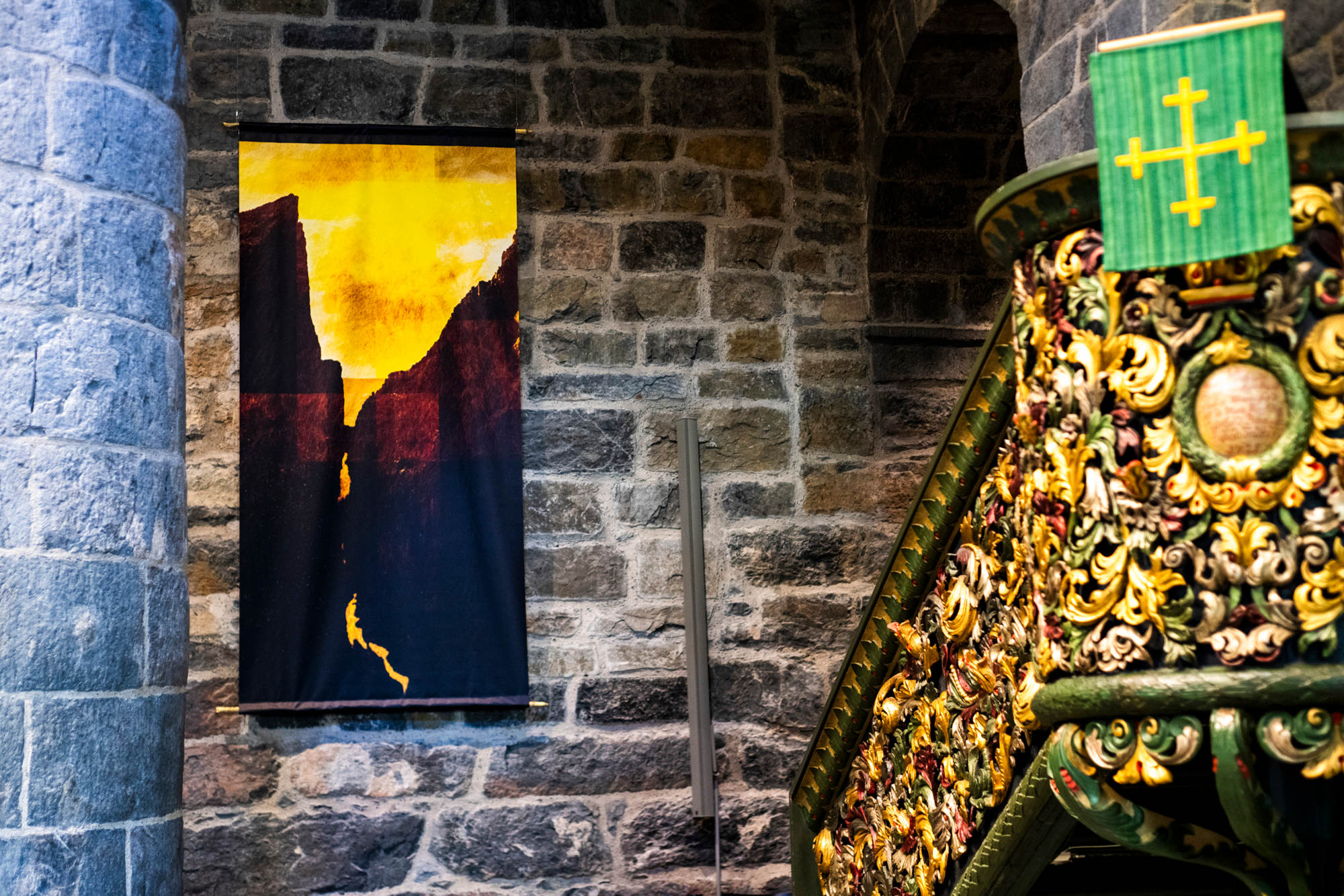
The Old Aker Church in Oslo, one of the country’s oldest and most beautiful spaces, is opening its doors for the first time to an art photography exhibition.
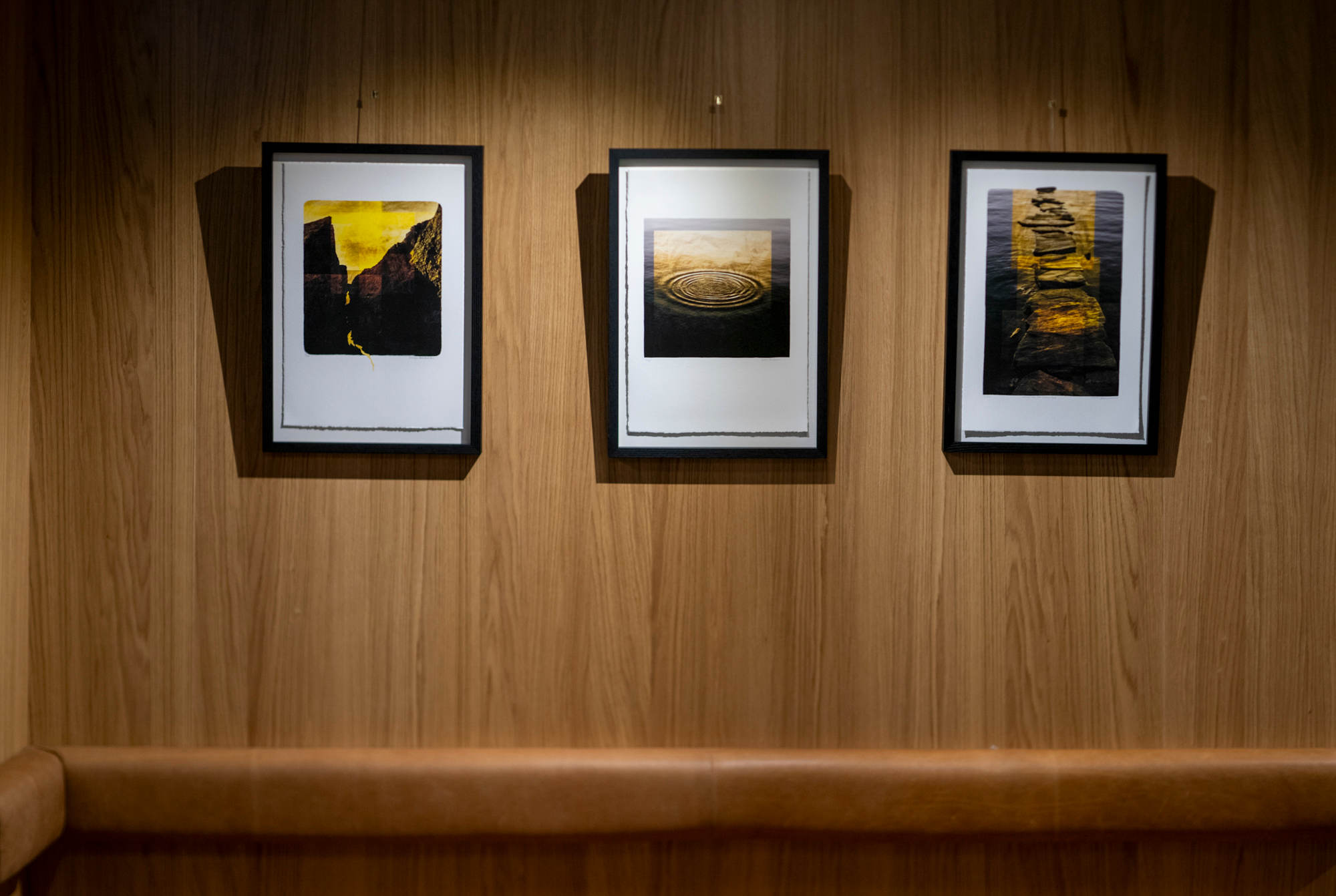
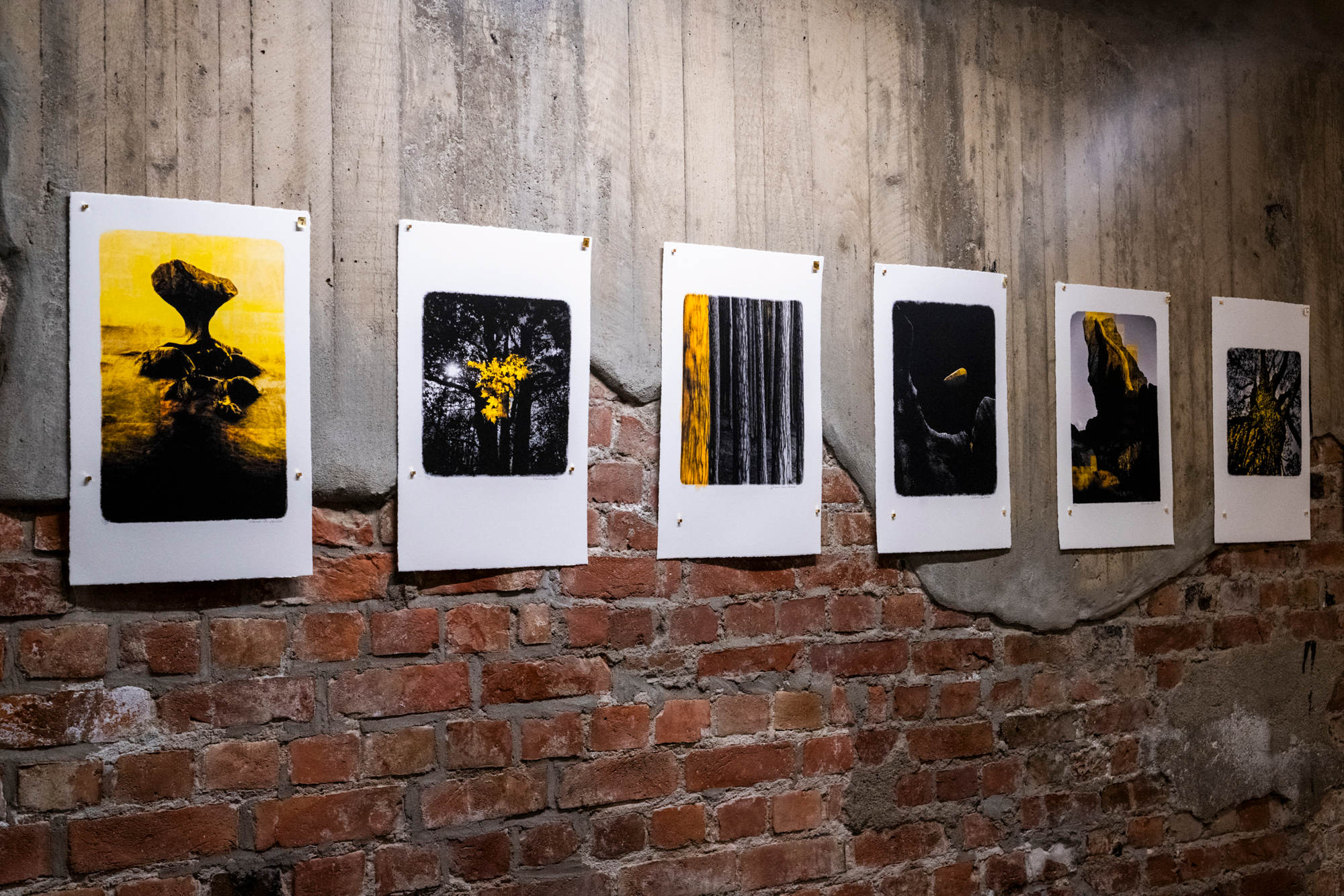
Pilgrim by Werner Anderson will be on display in the newly renovated church room and in the crypt from June 26 to August 17. Pilgrim is a poetic and thought-provoking photo exhibition that invites you to reflect on slowness, longing, freedom, presence and the healing power of nature. The photographs were created over several years on Werner’s travels in various landscapes around the world. Starting from monochrome photographs, the artist has colored with the colors of the sun mixed with gold, which in religious contexts can symbolize divine light, transcendence and perfection, but also idolatry and sin.
– “In the face of the pilgrimage tradition, I see not only a religious practice, but a universal longing for meaning and belonging,”
Werner Anderson.
The word “pilgrim” comes from the Latin “peregrinus”, which means “stranger” or “foreign”, and this shows that the pilgrimage was originally about traveling far, often to foreign countries and places.
UNDER DAGEN – Stiftelsen Folldal Gruver 2025
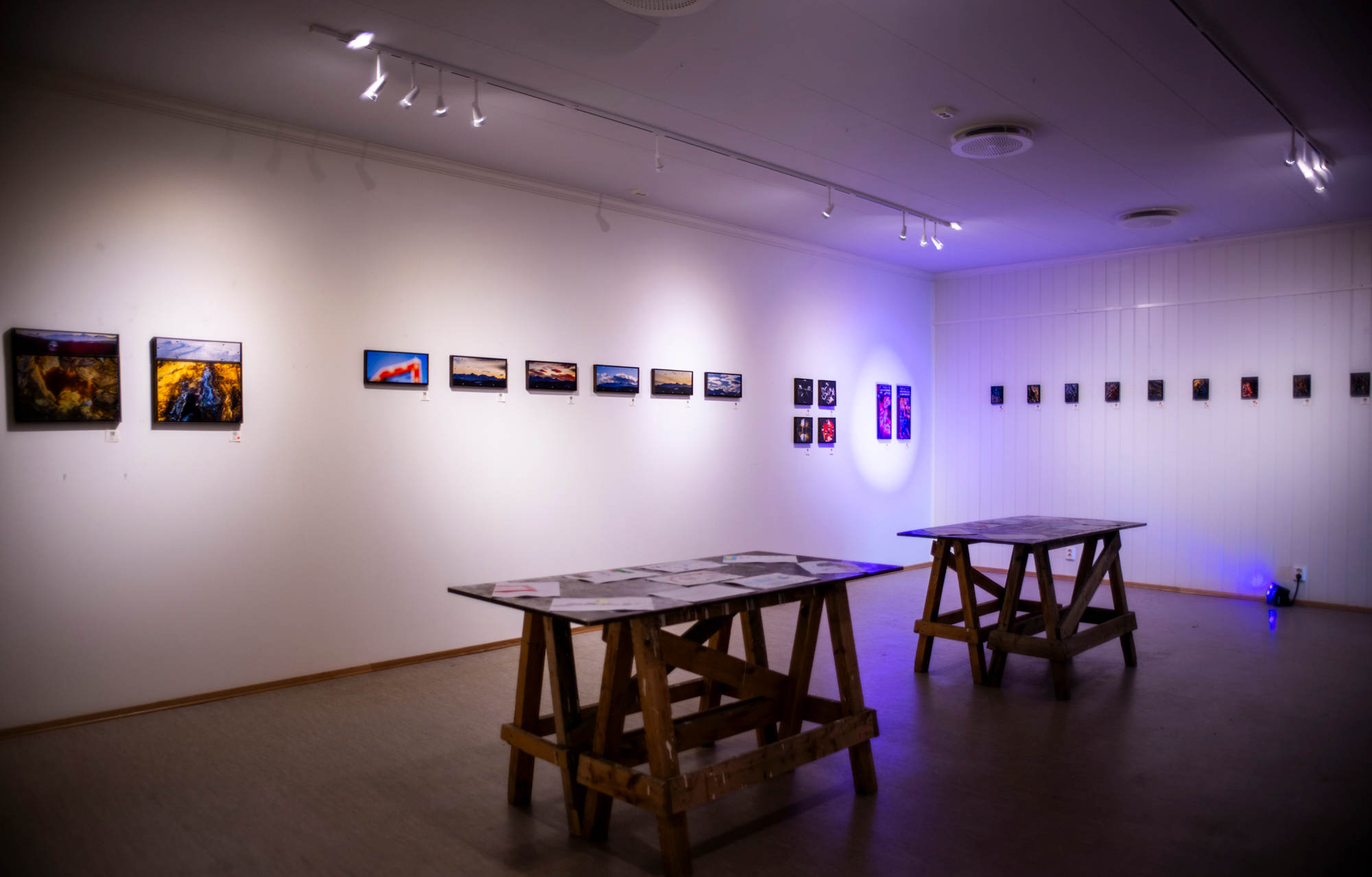
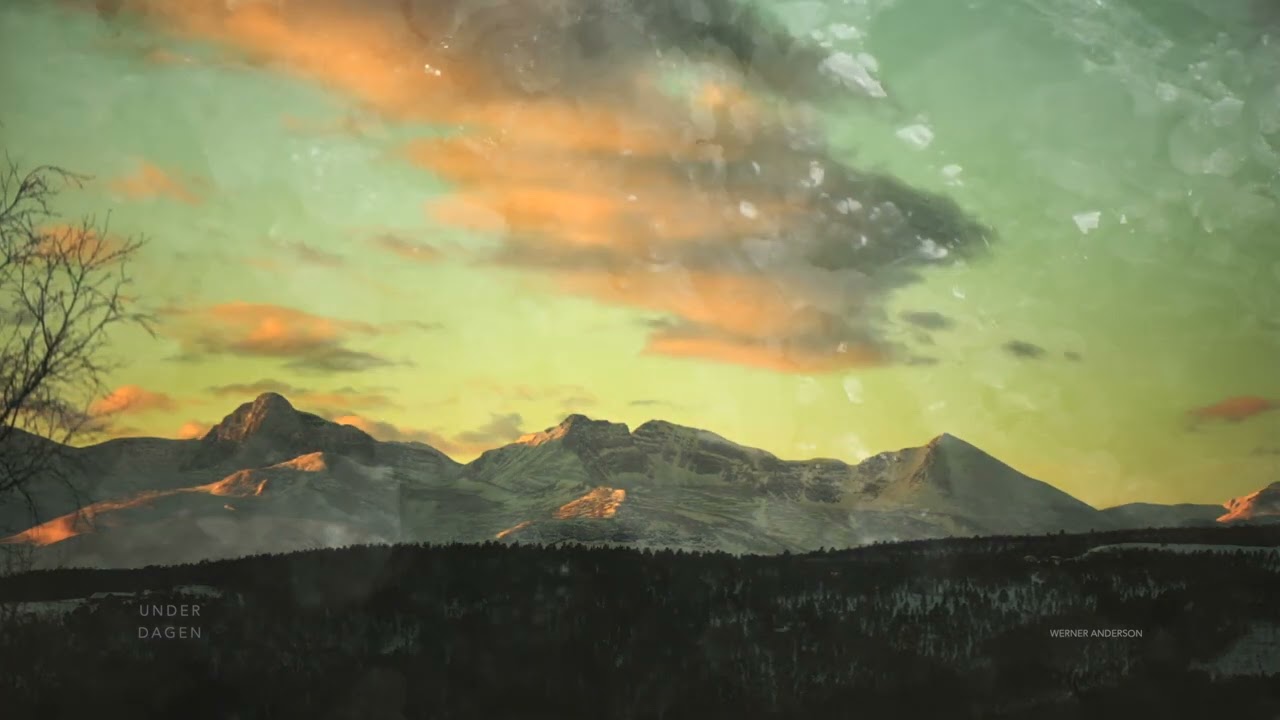
Under Dagen preserves the stories of some of those who actually worked down there in the depths of the mountains in Folldal and combine these with thoughts from today’s youth in the region. Werner Anderson’s artist residency at KunstVerket in Folldal resulted in a relevant contemporary project, that will also be an important document for posterity, which, among other things, address geology and post-industrial use and show this to a wide audience in an audiovisually exciting way. Children and young people from the region are also invited to join Under Dagen for a drawing workshop where we draw the future at the mines. Do the young people in Folldal and the surrounding area have faith in the future?
“- The best thing about Folldal is that it’s not that cold here.”
“- You’re already in the mountains when you live here.”
“- There’s a lot of forest and almost everything nature has to offer.”
School students about living in Folldal.
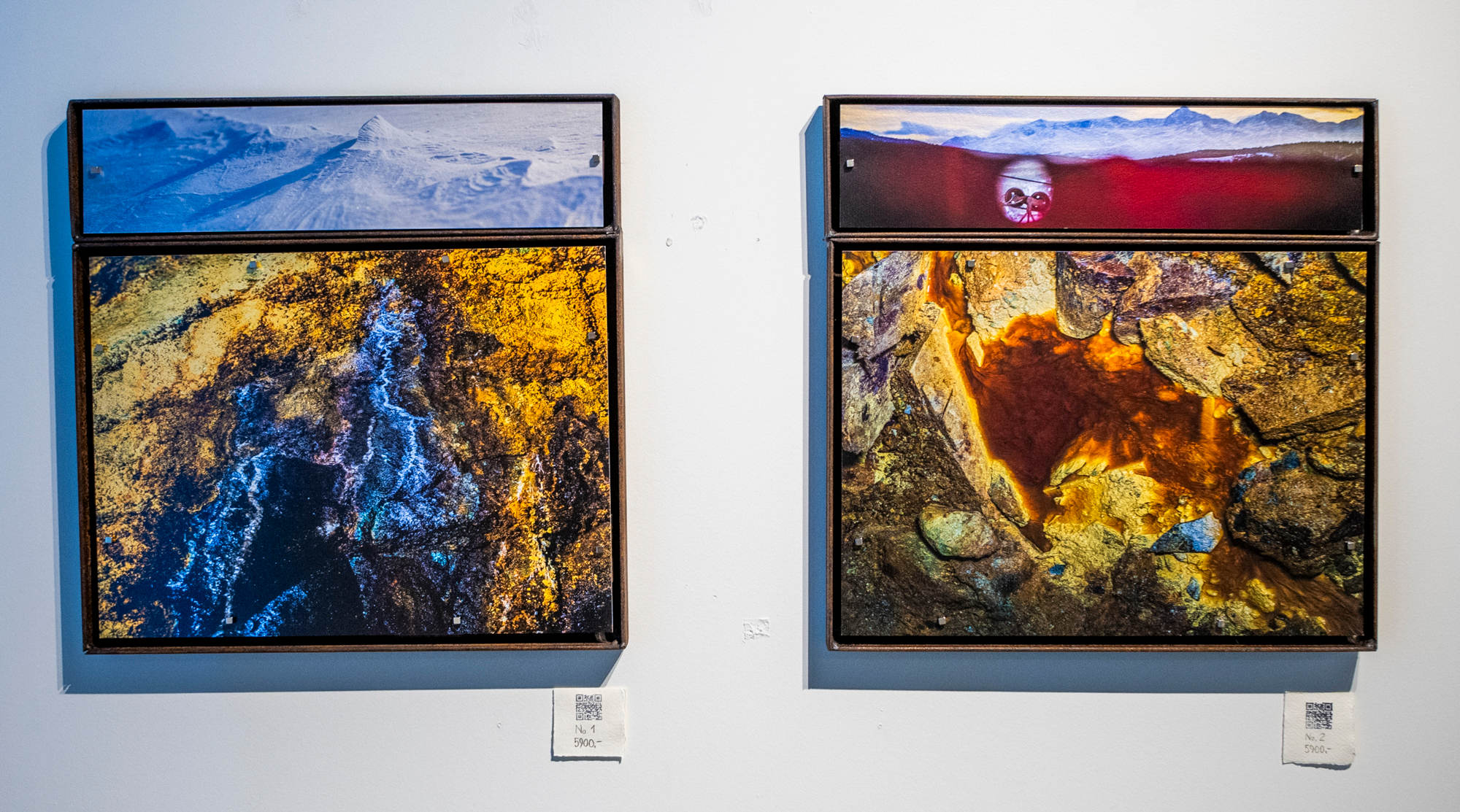
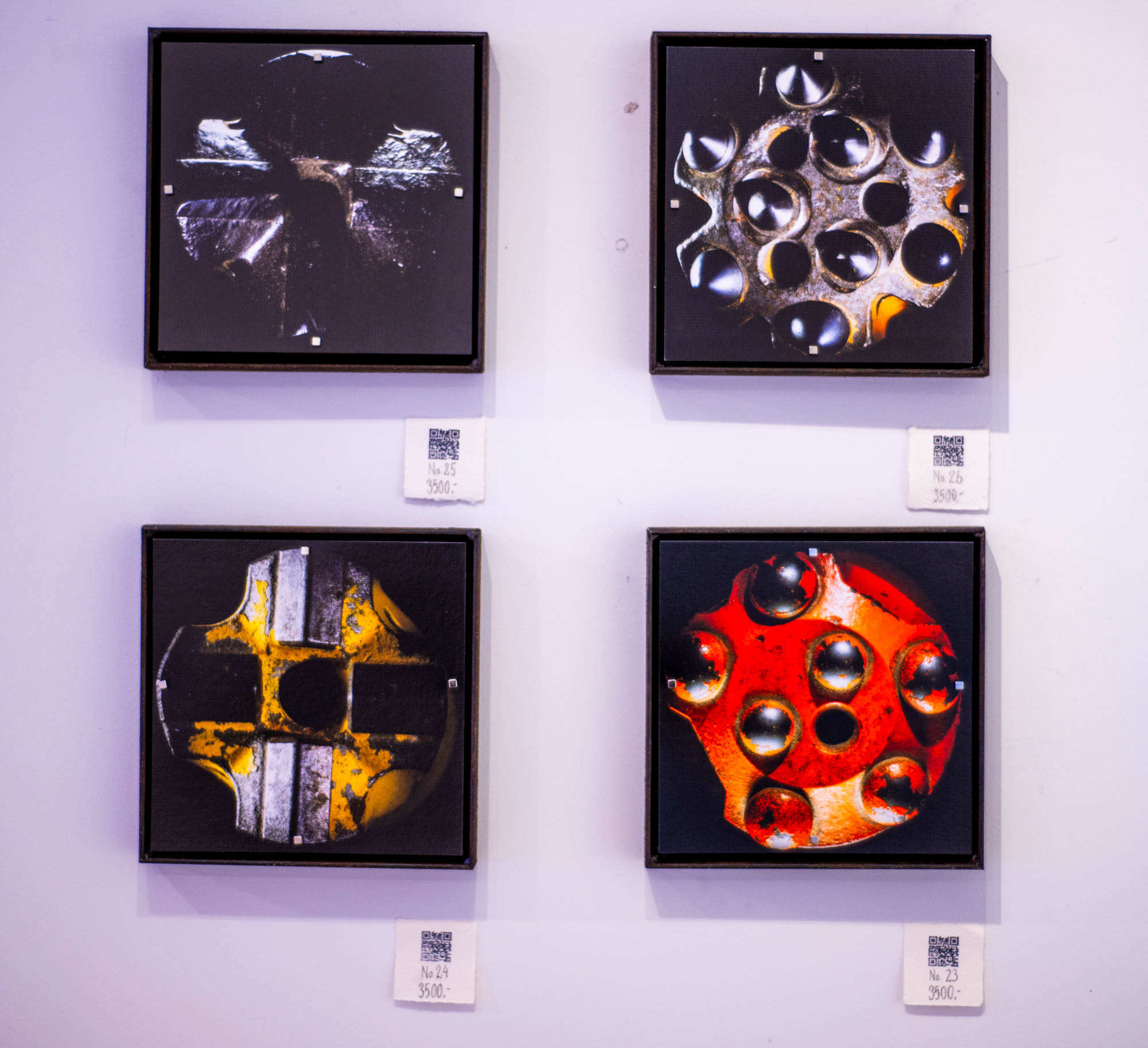
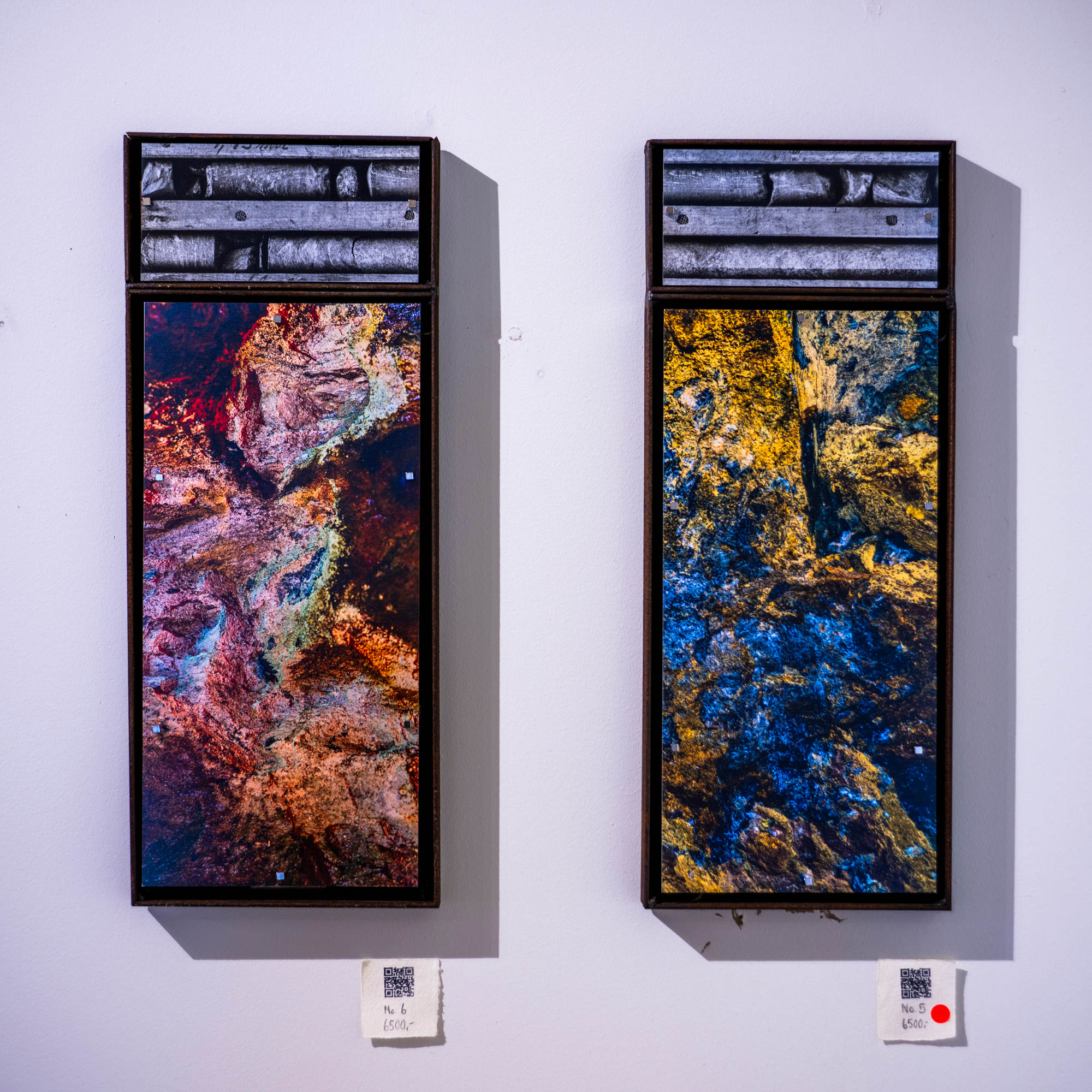
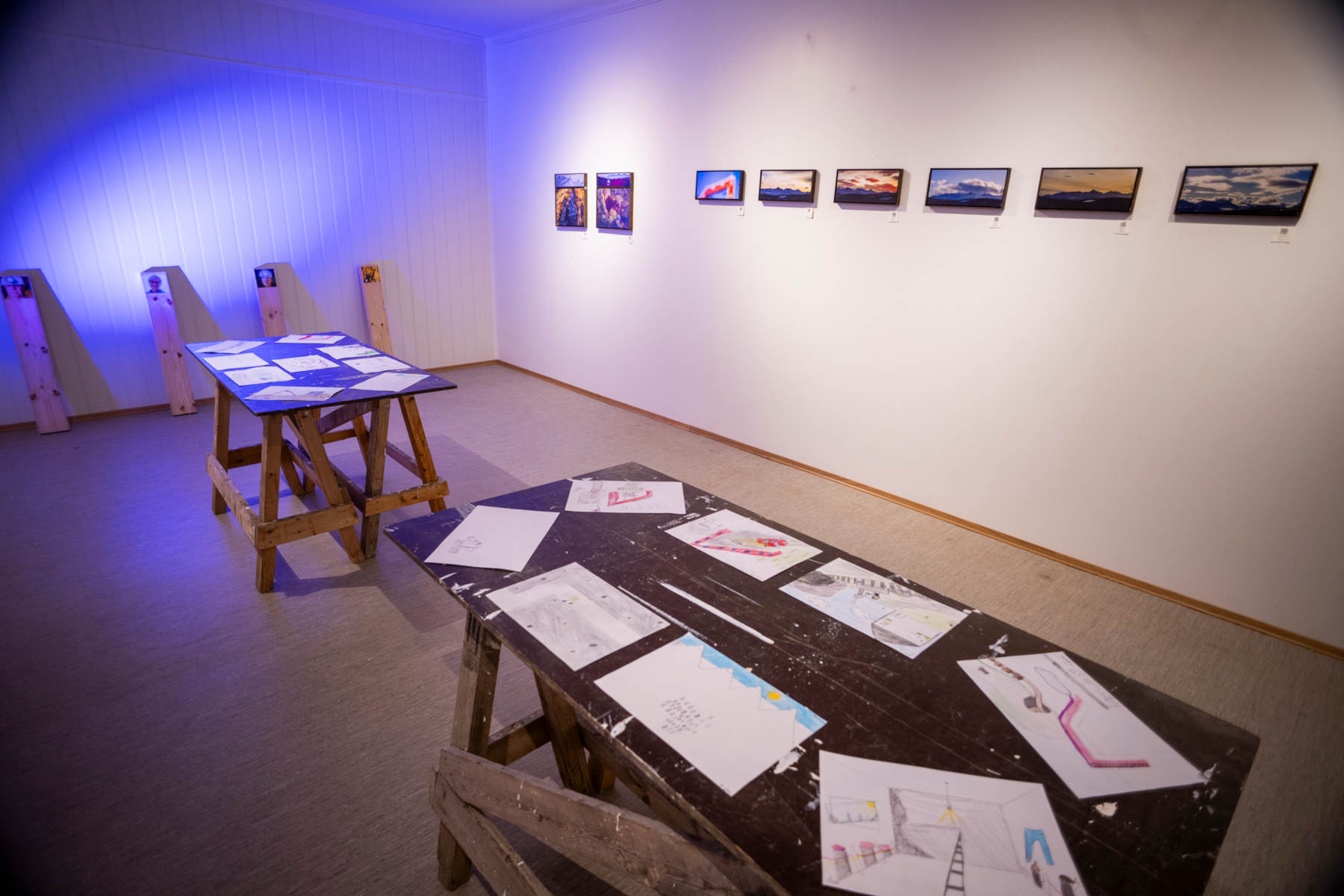
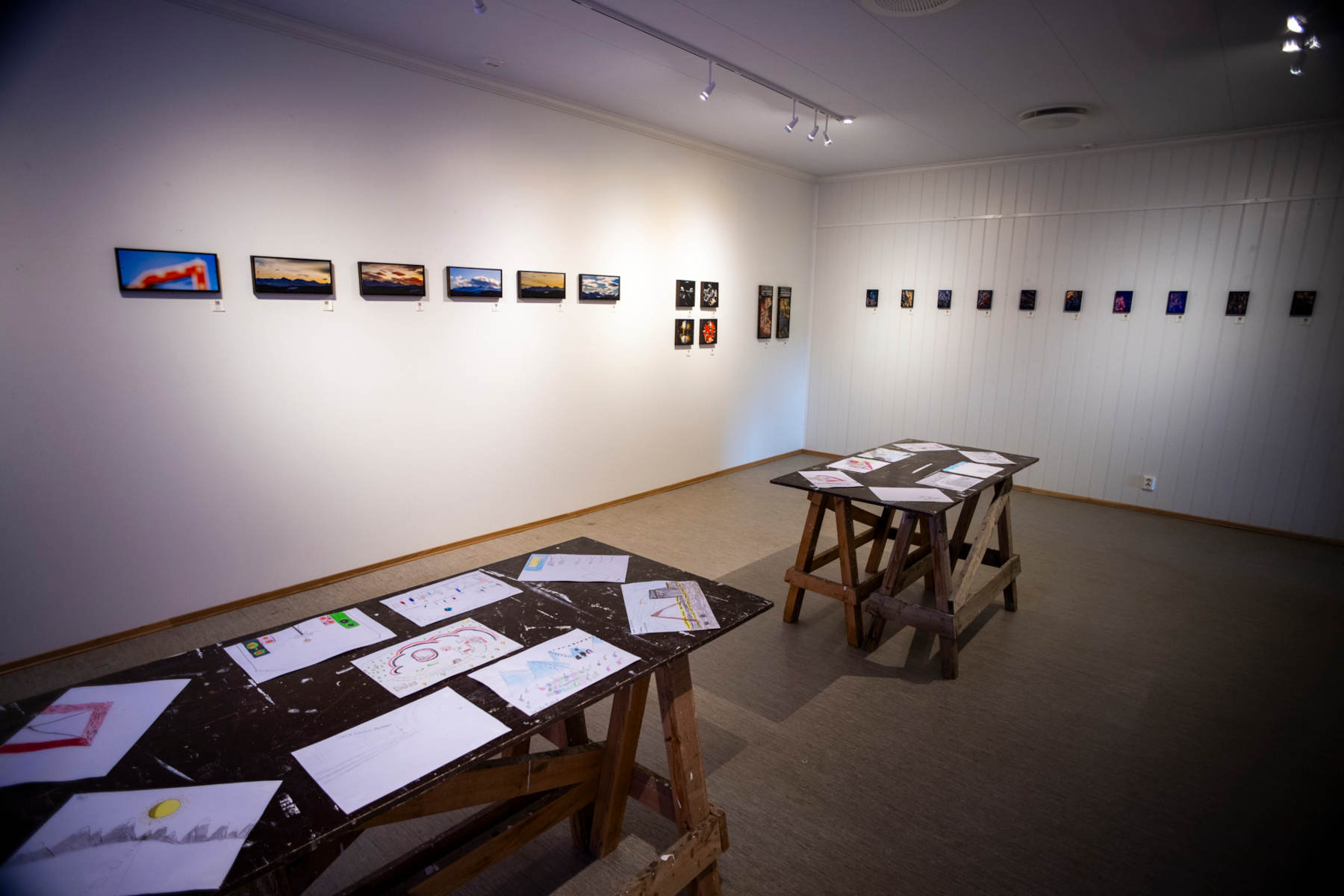
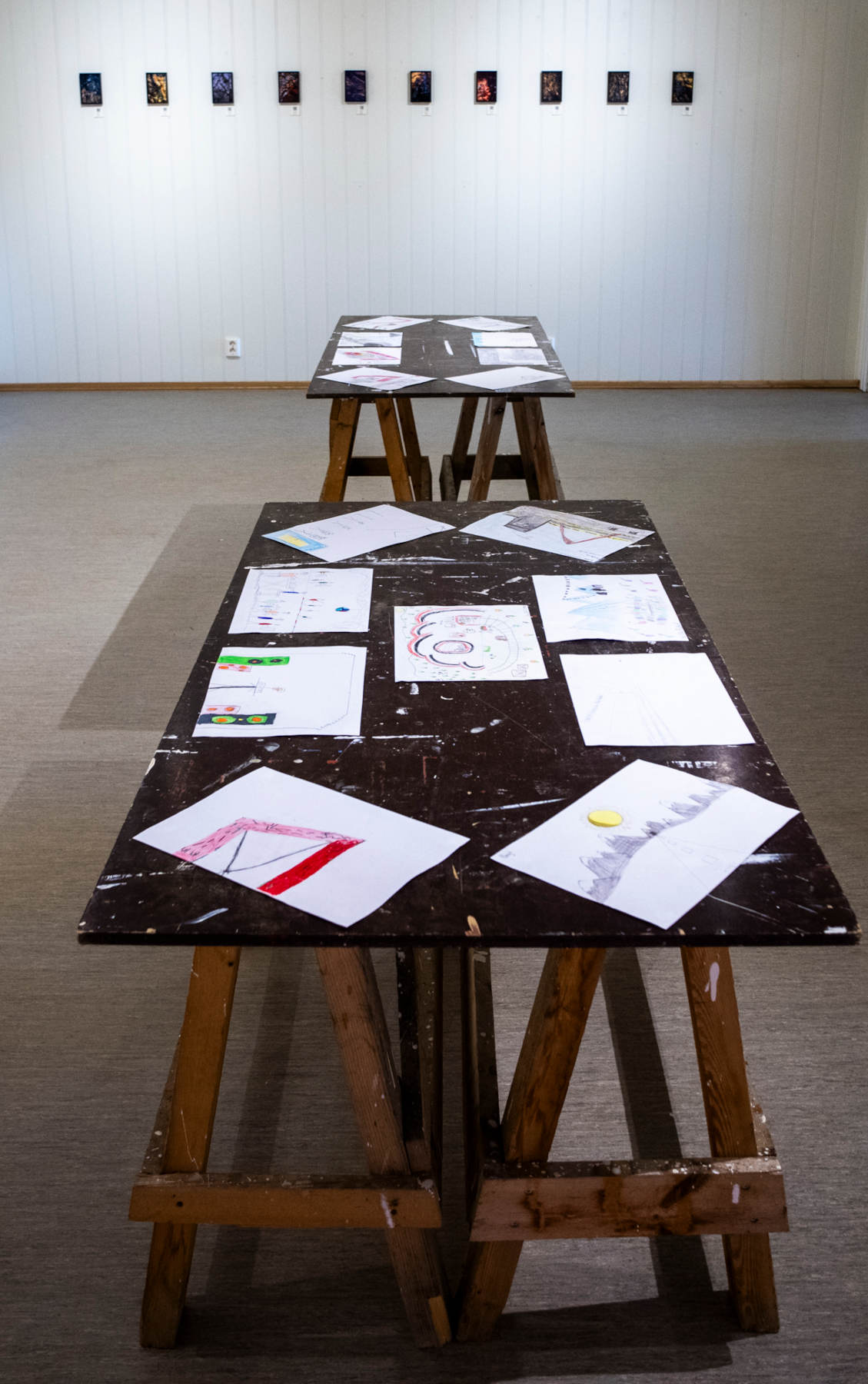
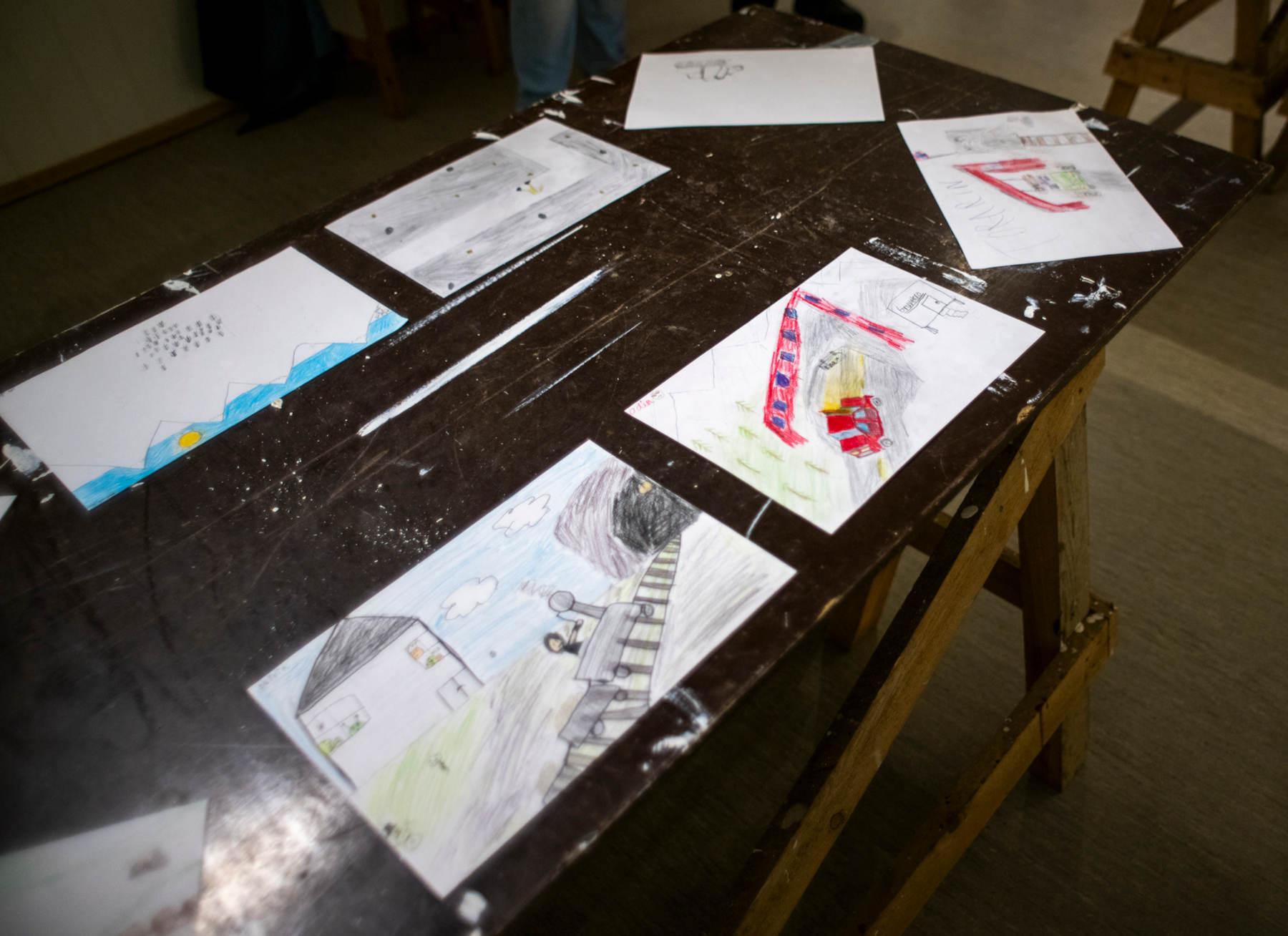
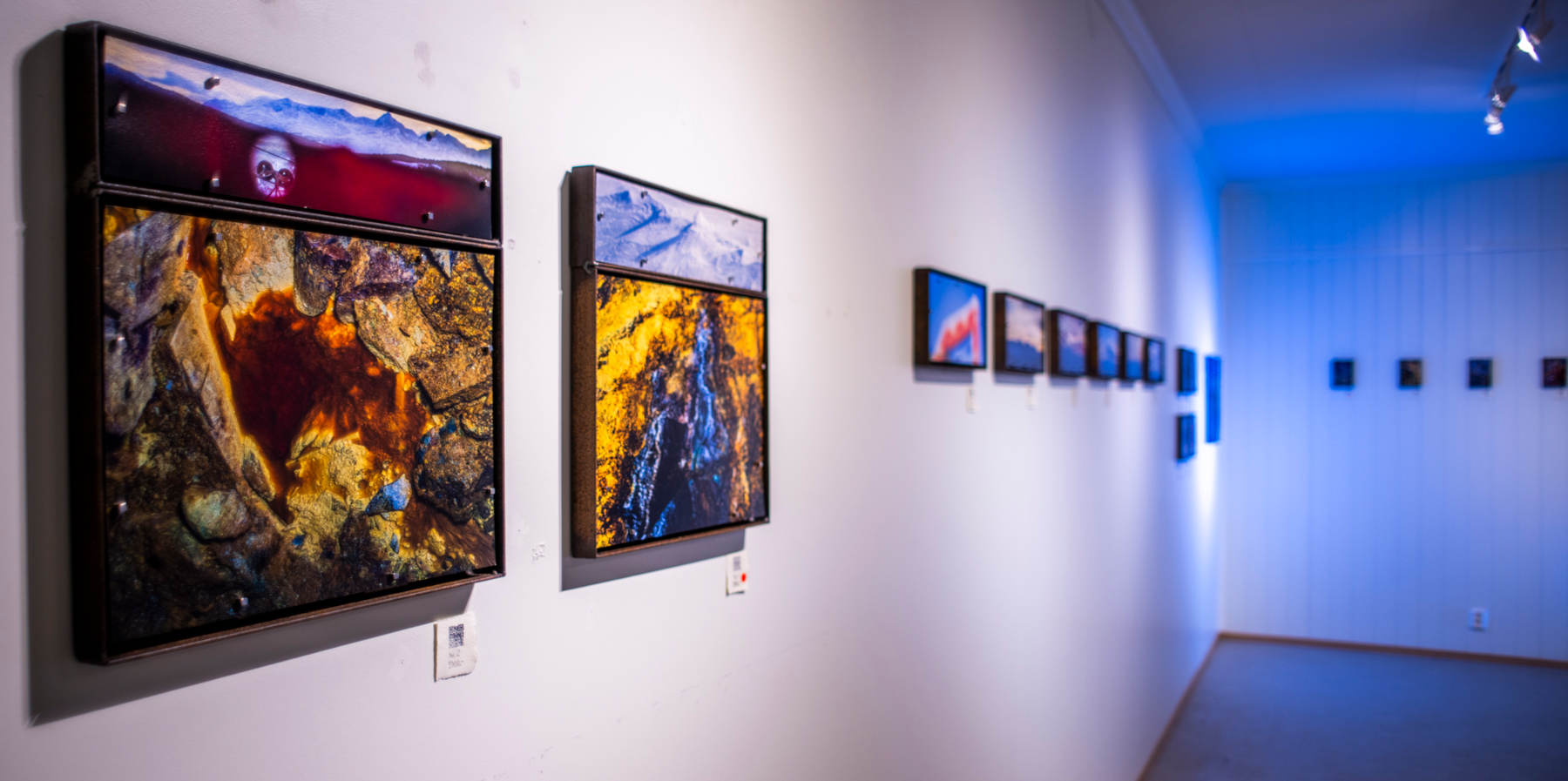
UNDER DAGEN er støttet av: 
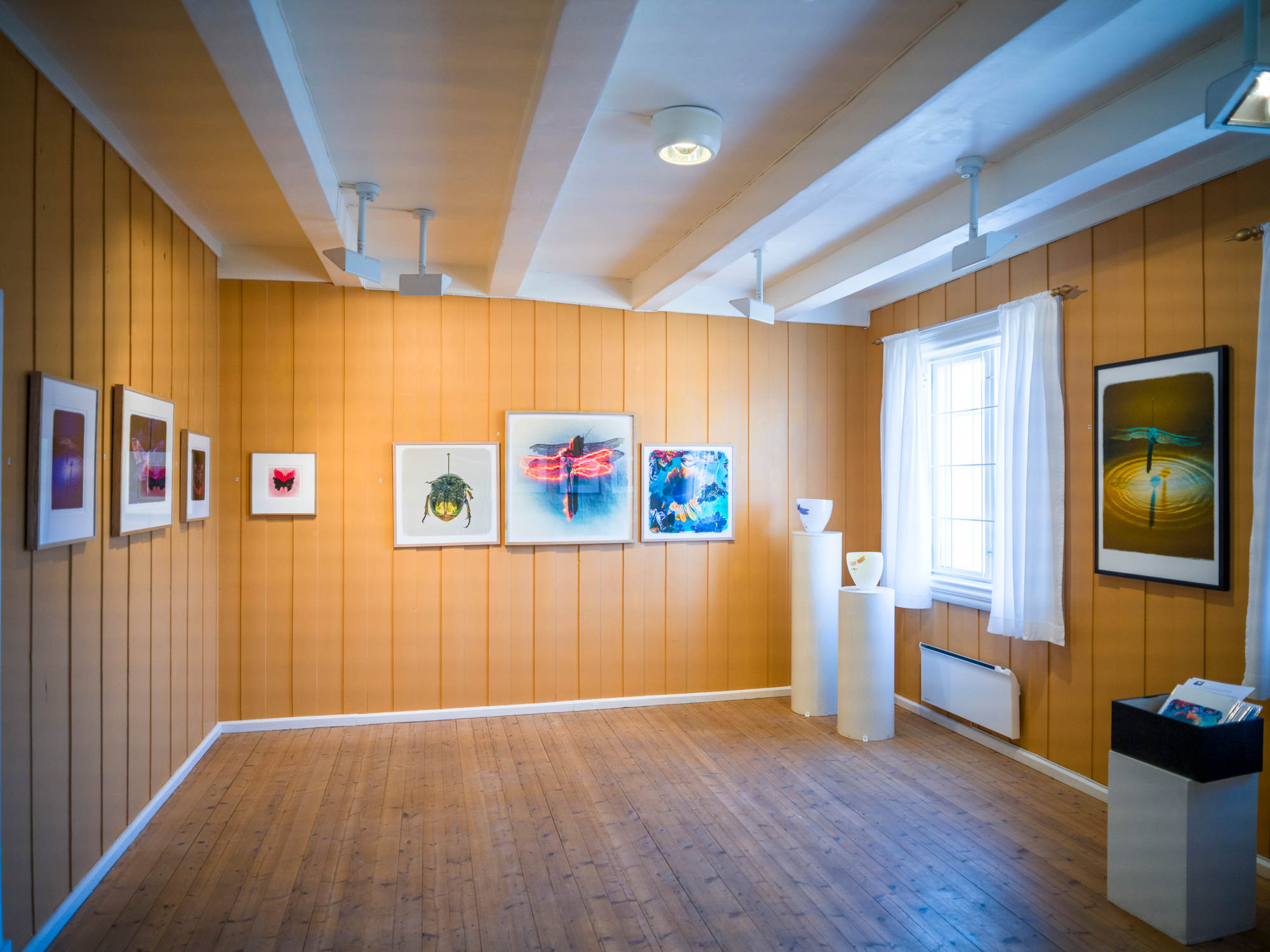
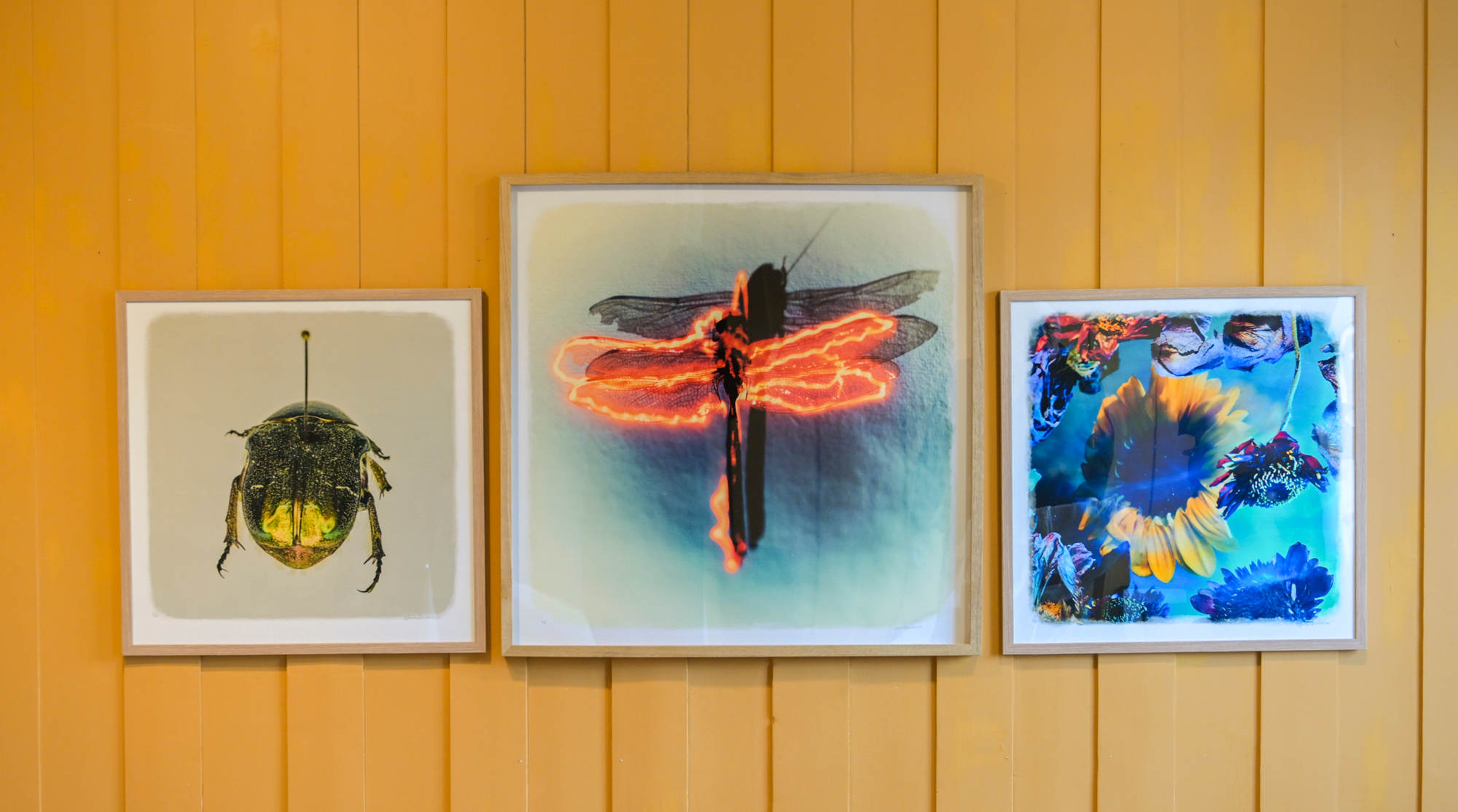
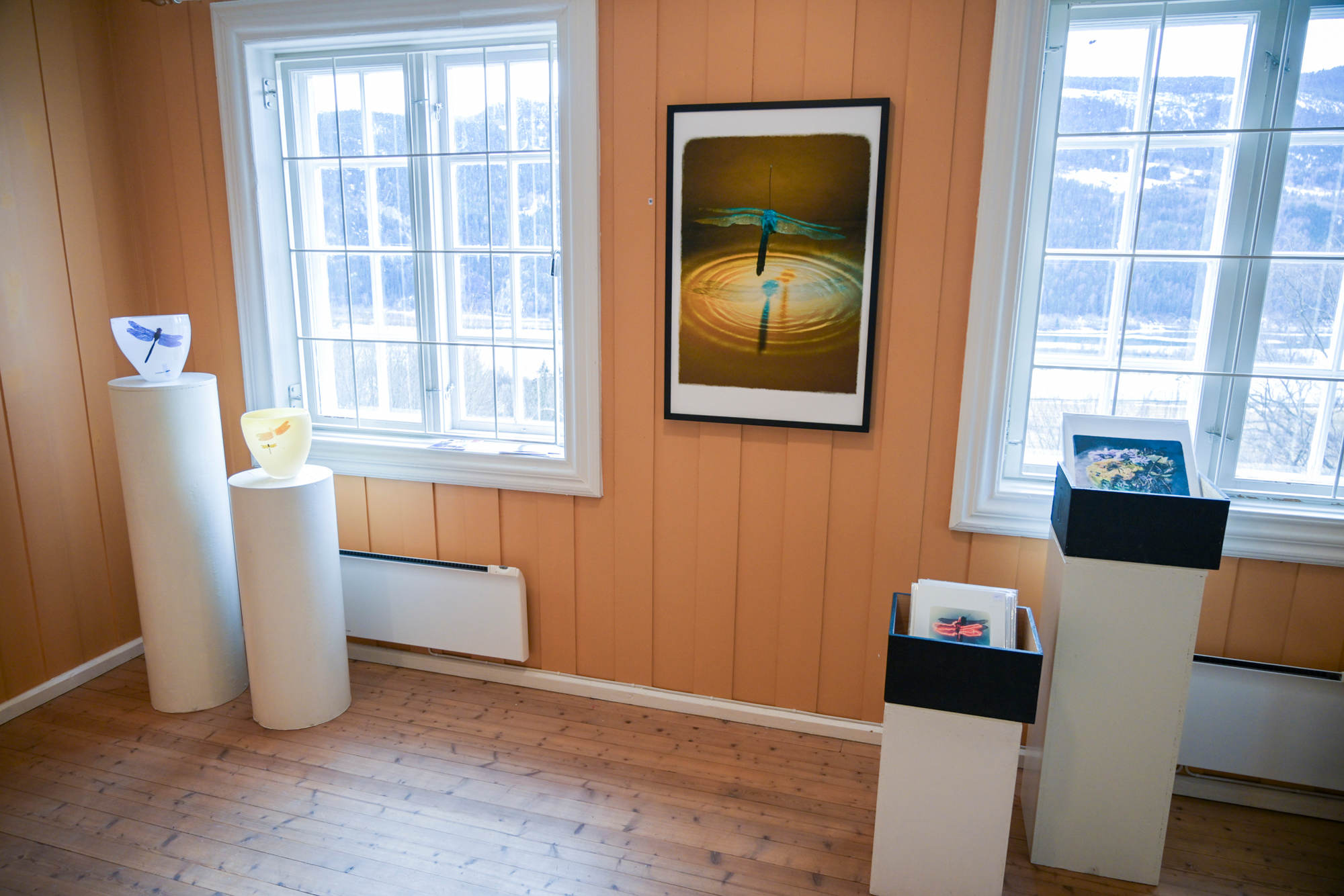
Herbarium – Ringebu Prestegård 2025
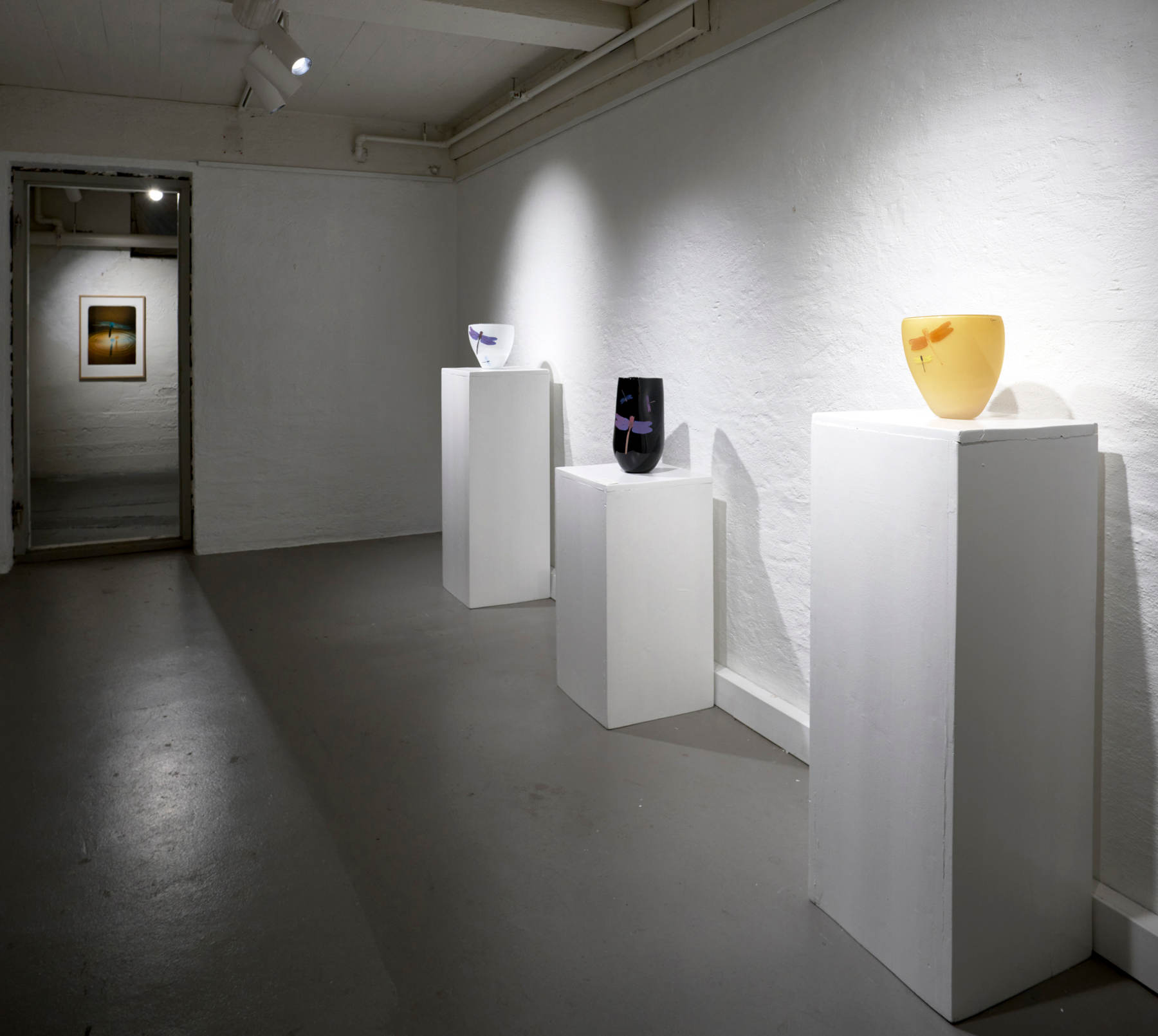
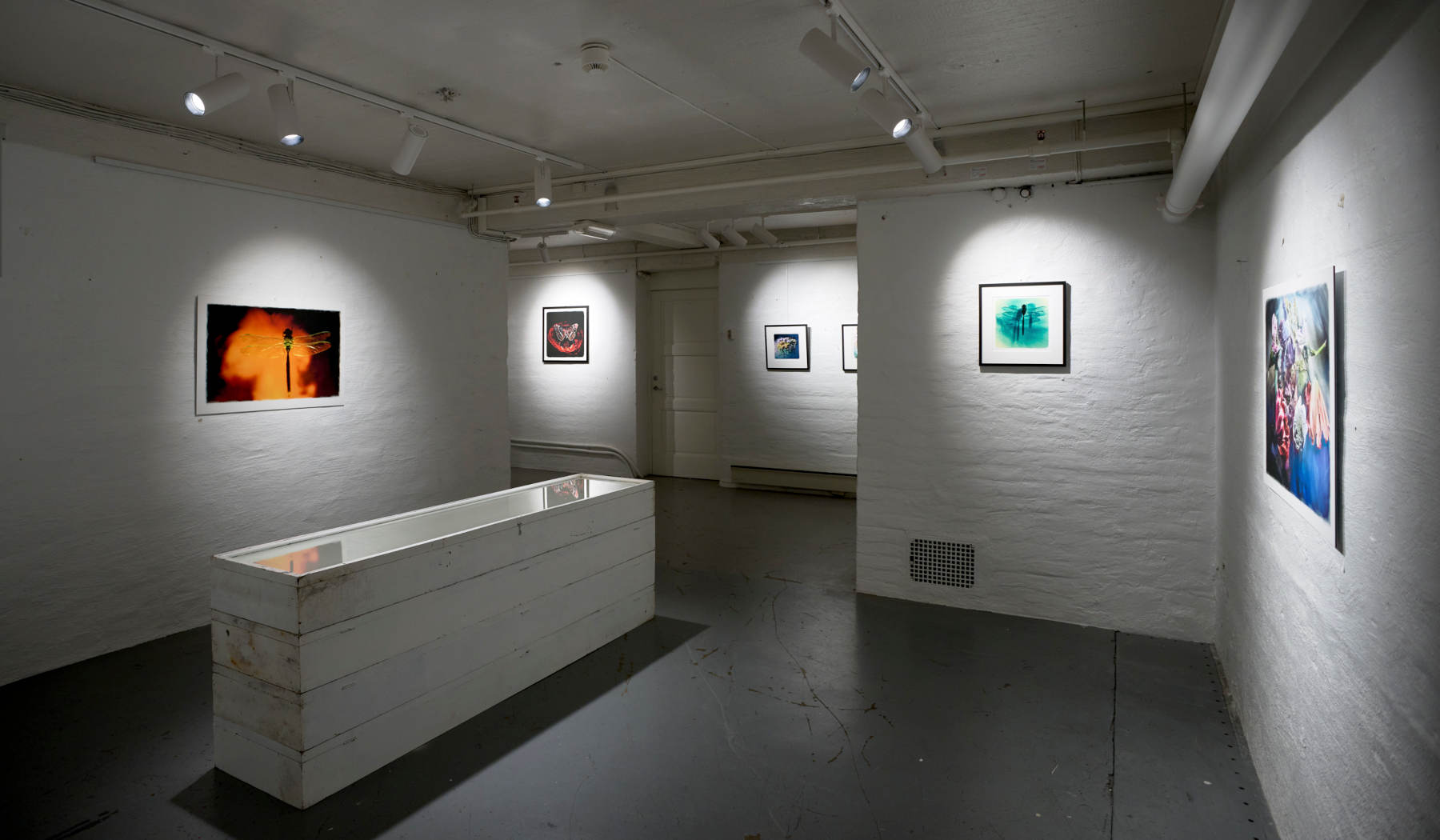
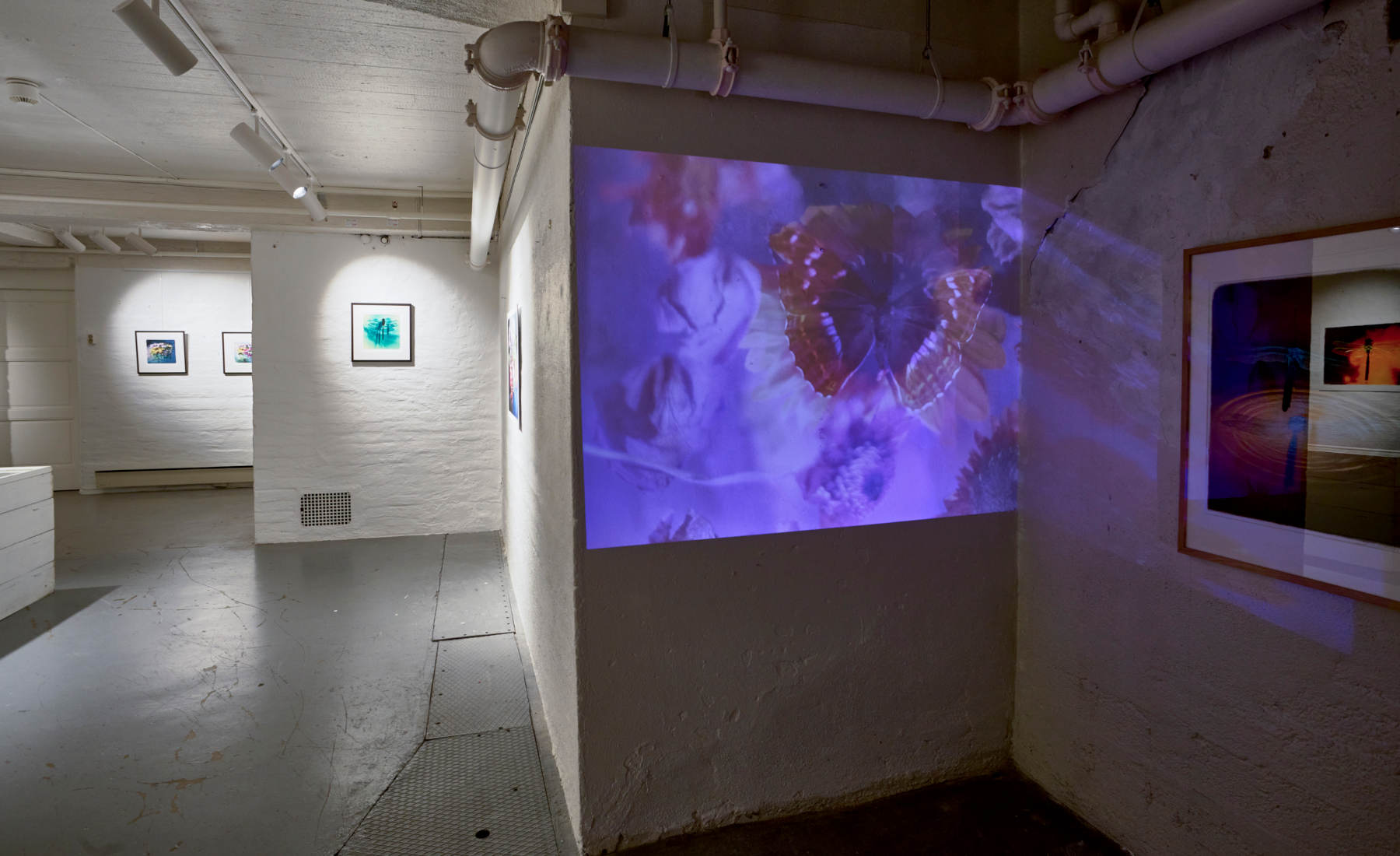
Herbarium – Tinn Kunstforening 2024
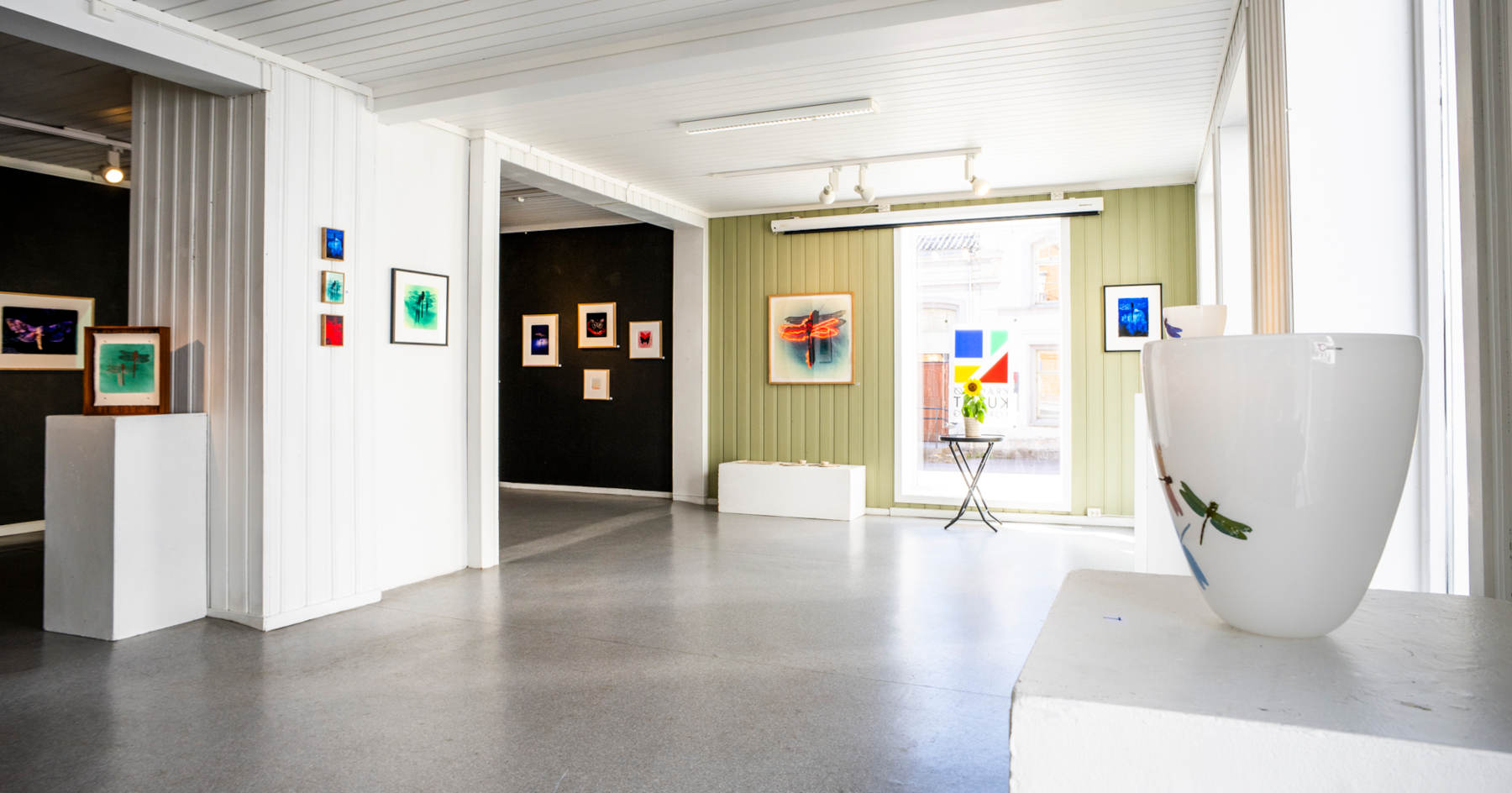
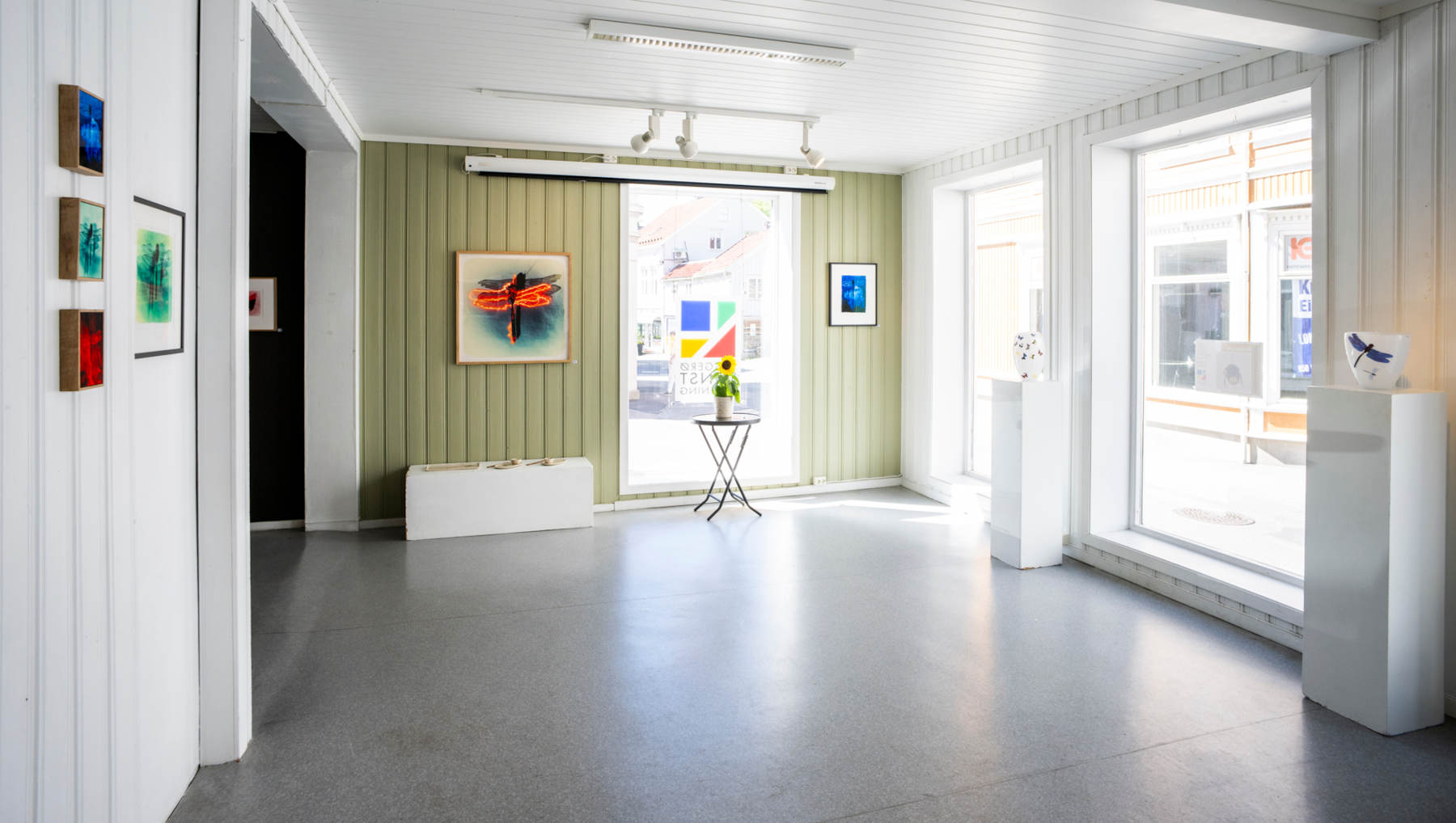
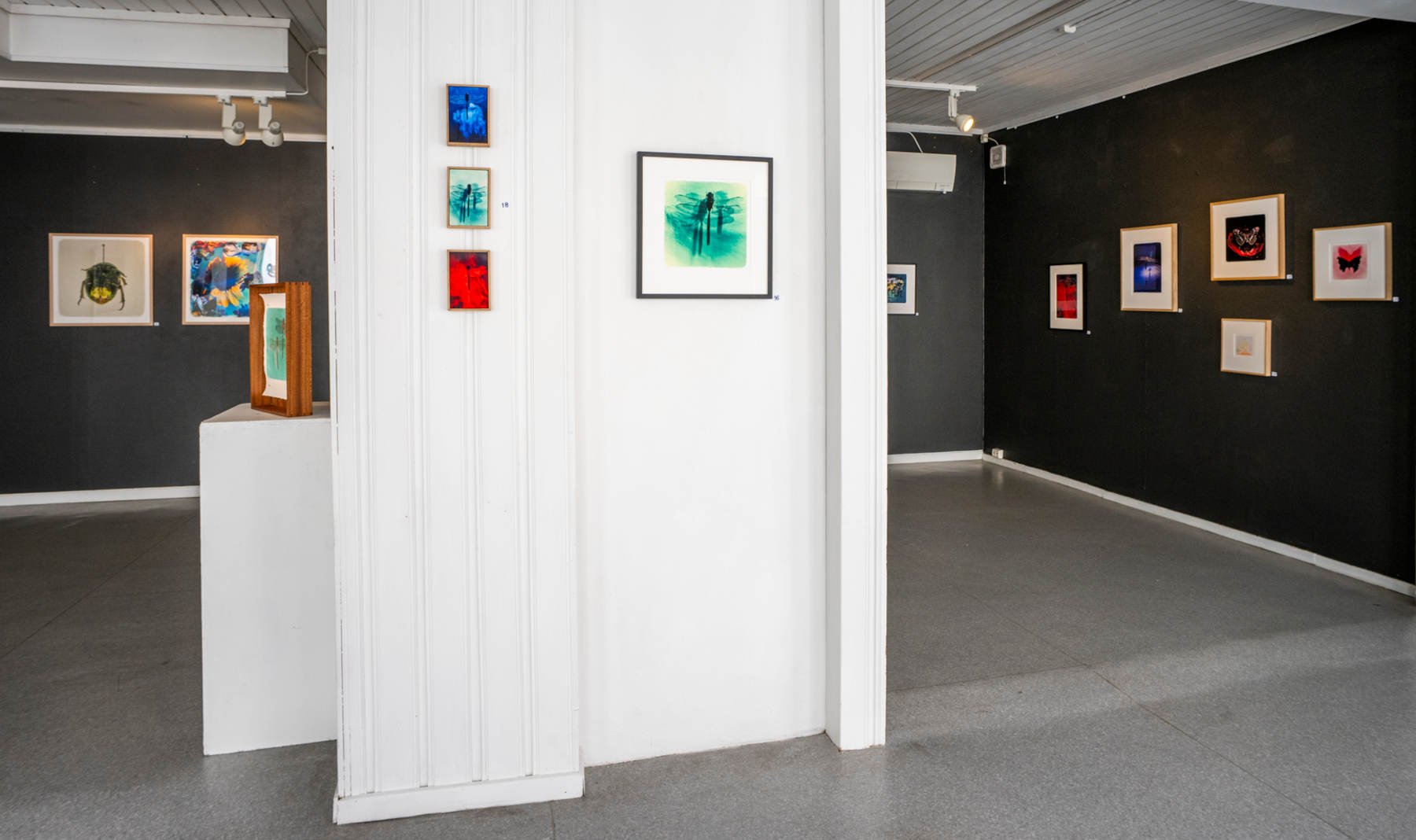
Herbarium – Kragerø Kunstforening 2024
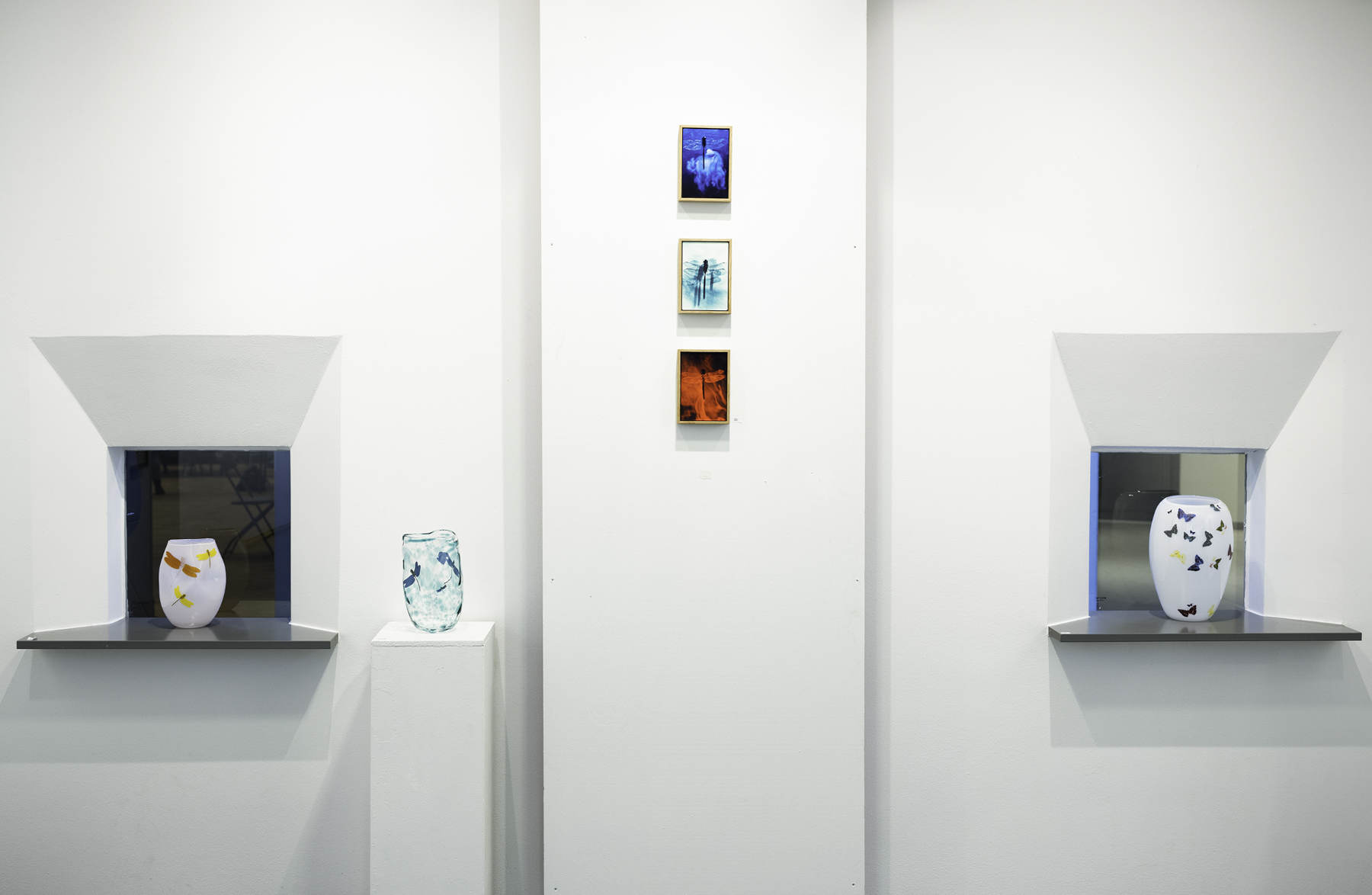
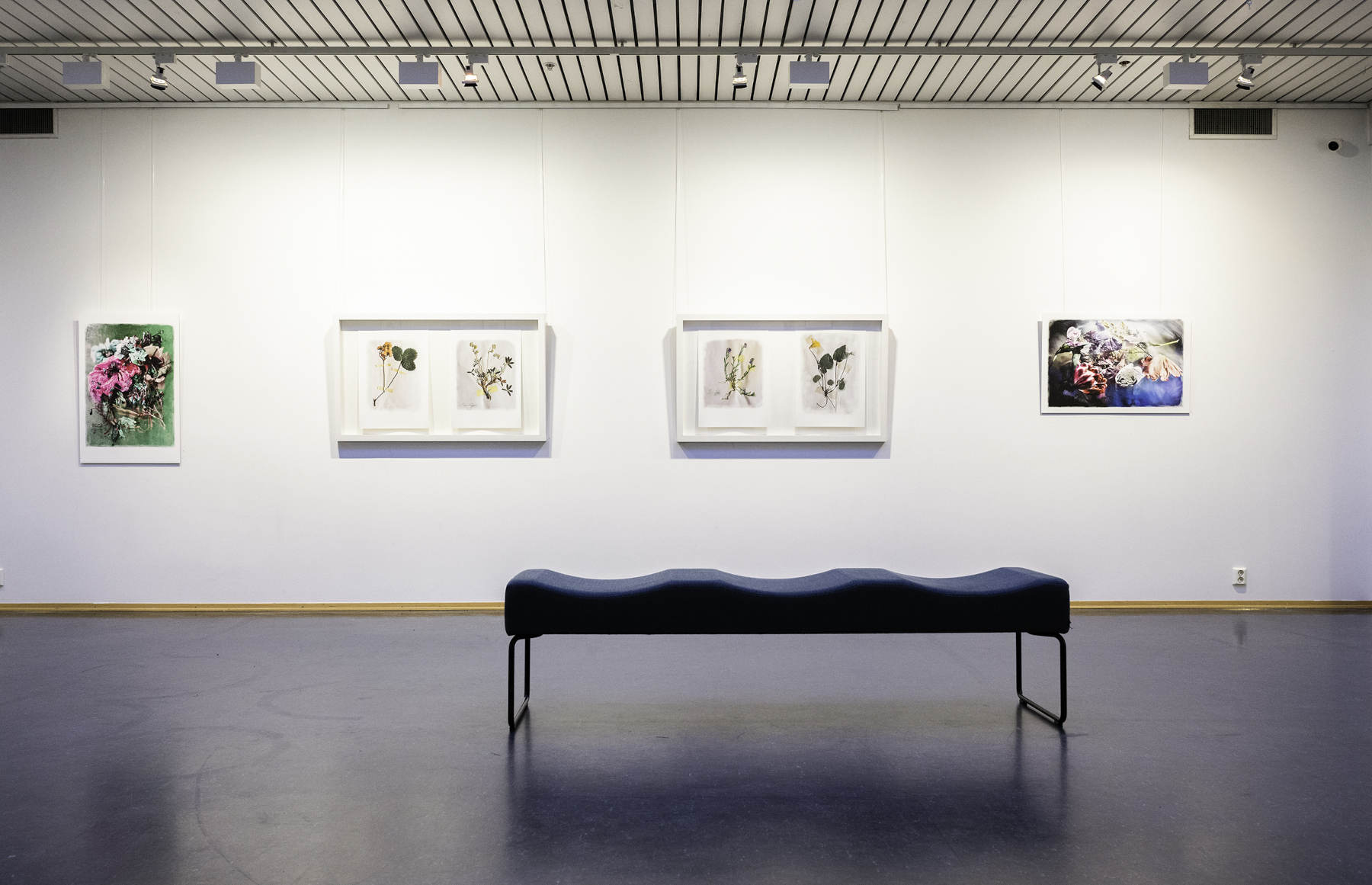
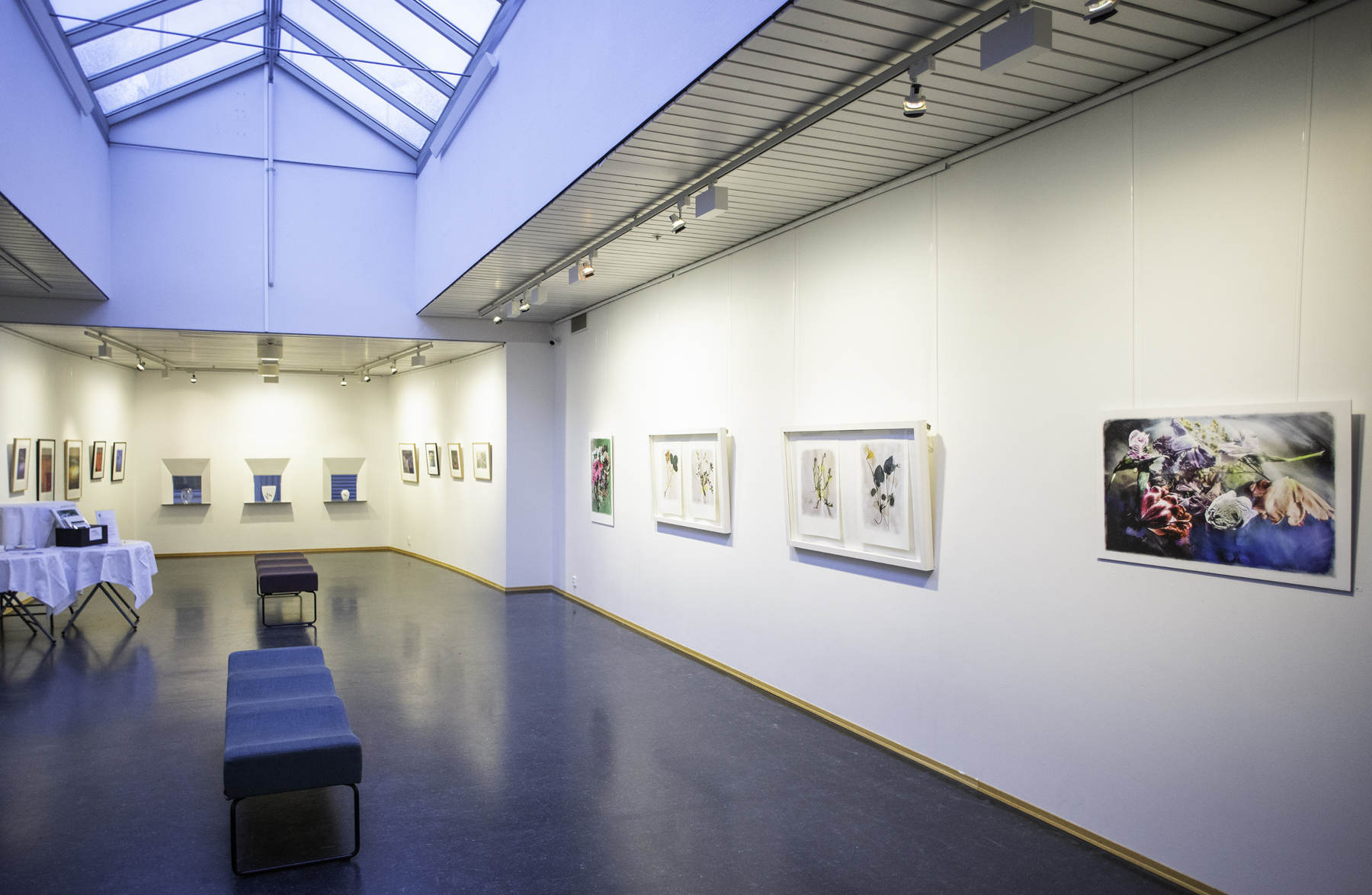
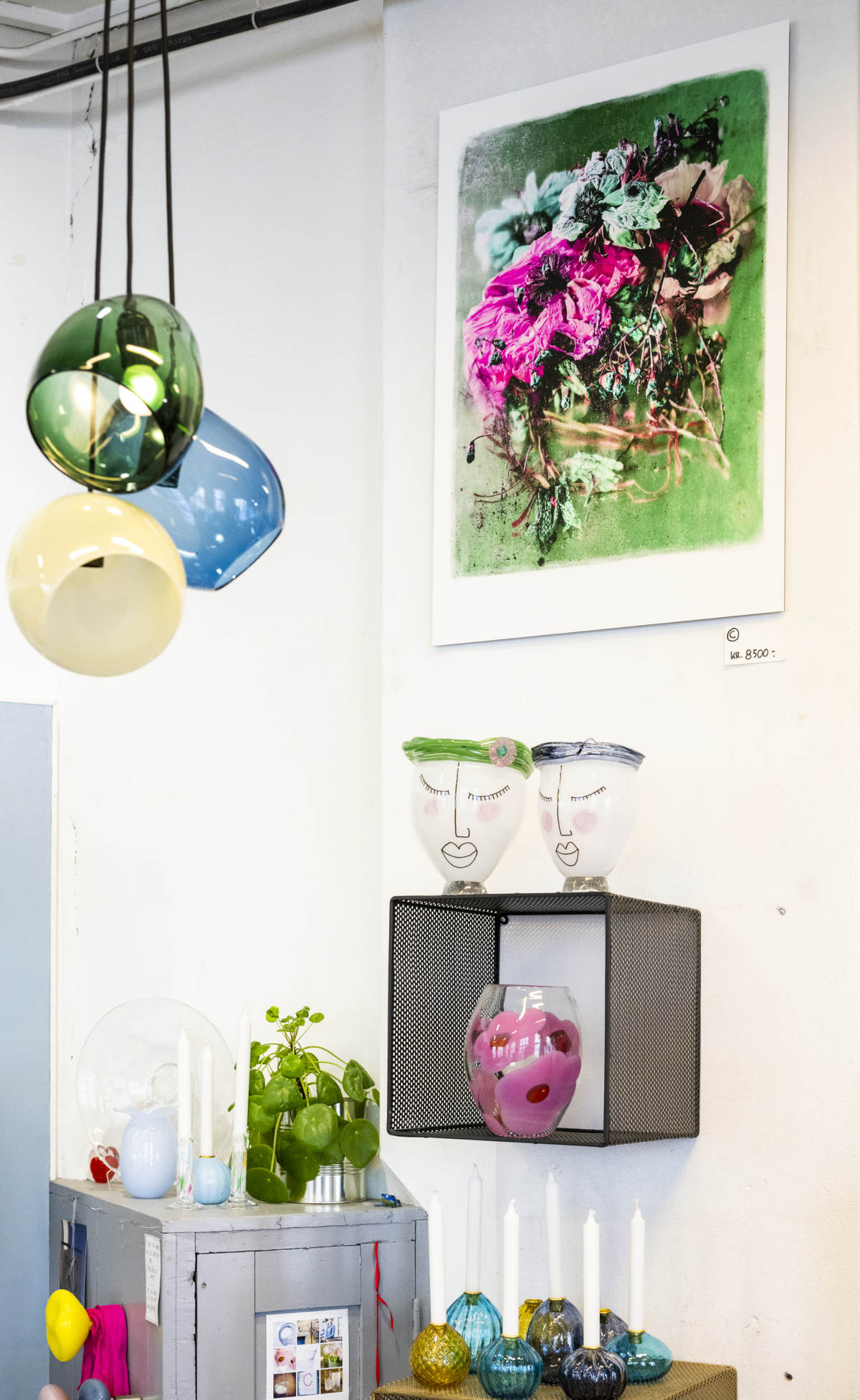
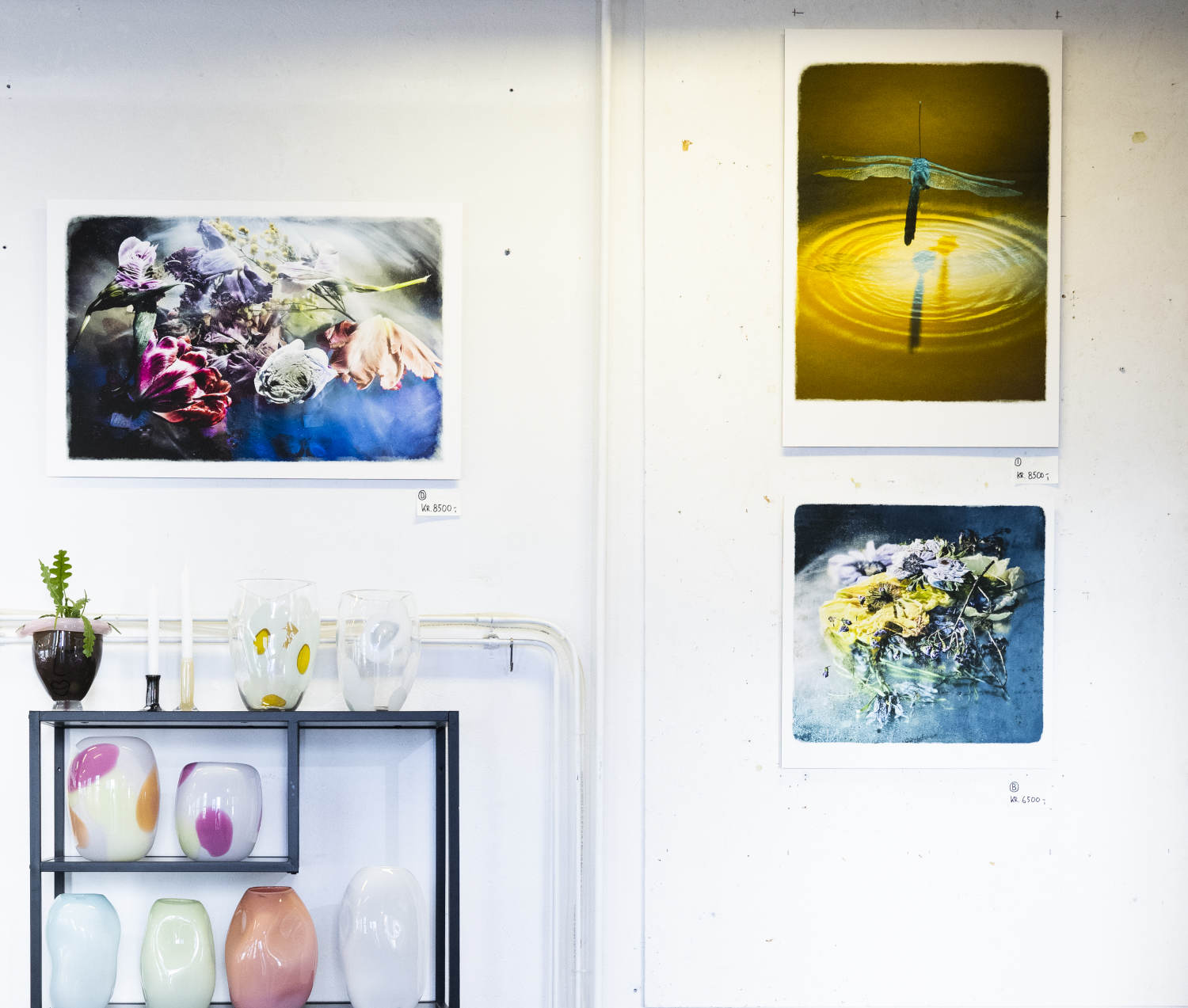
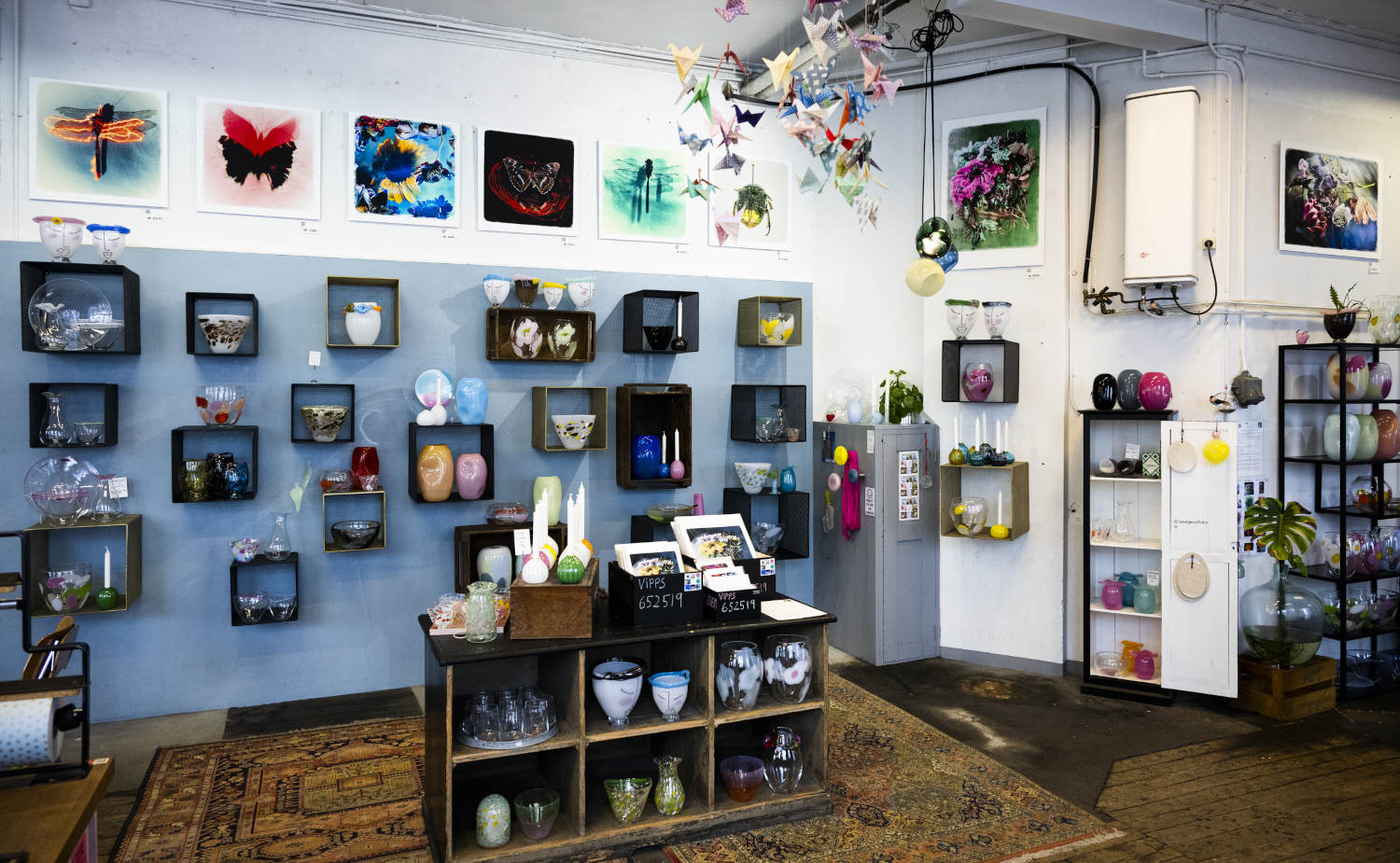
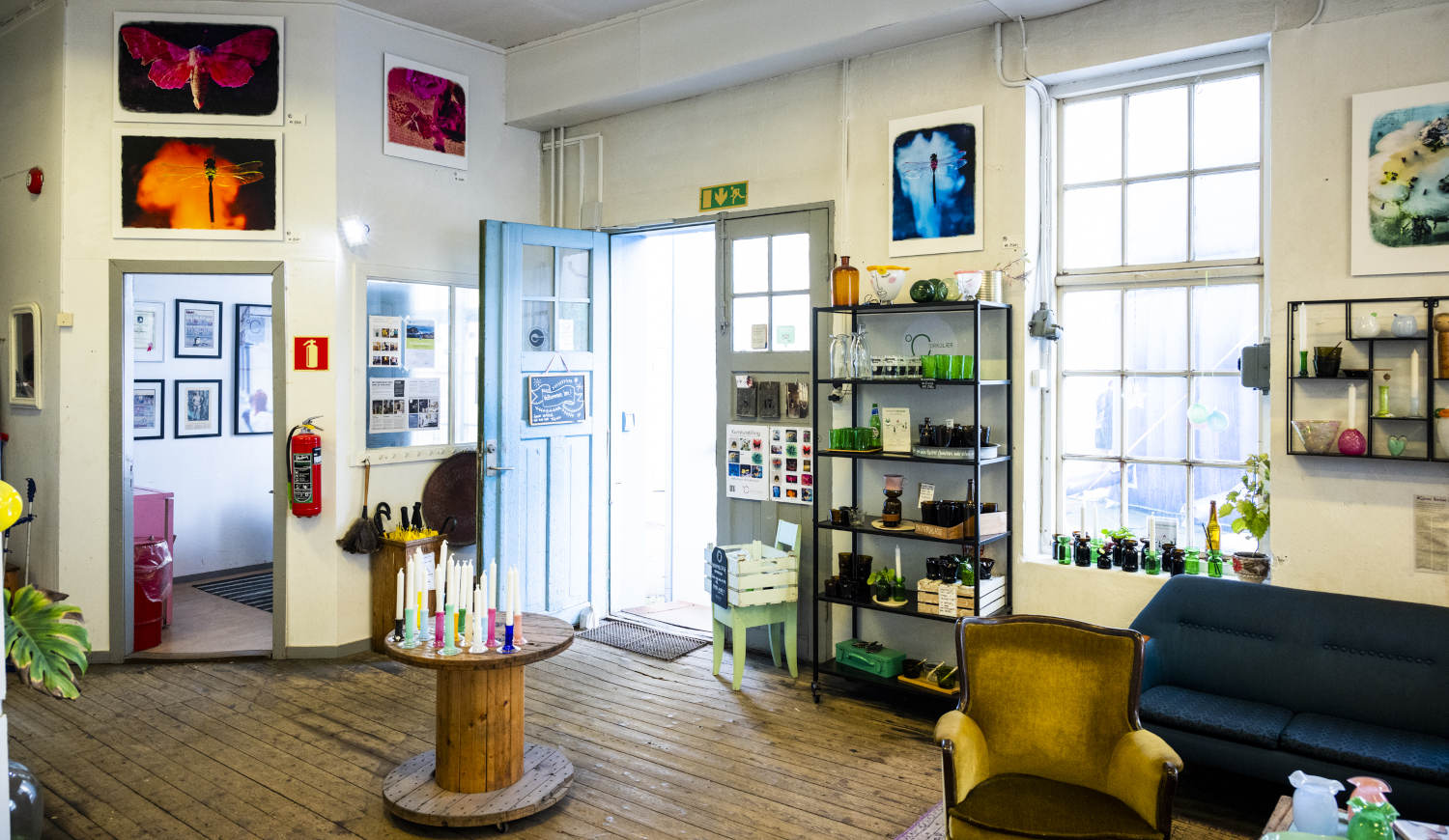
Herbarium – Celsius Glass Studio Langevåg 2023
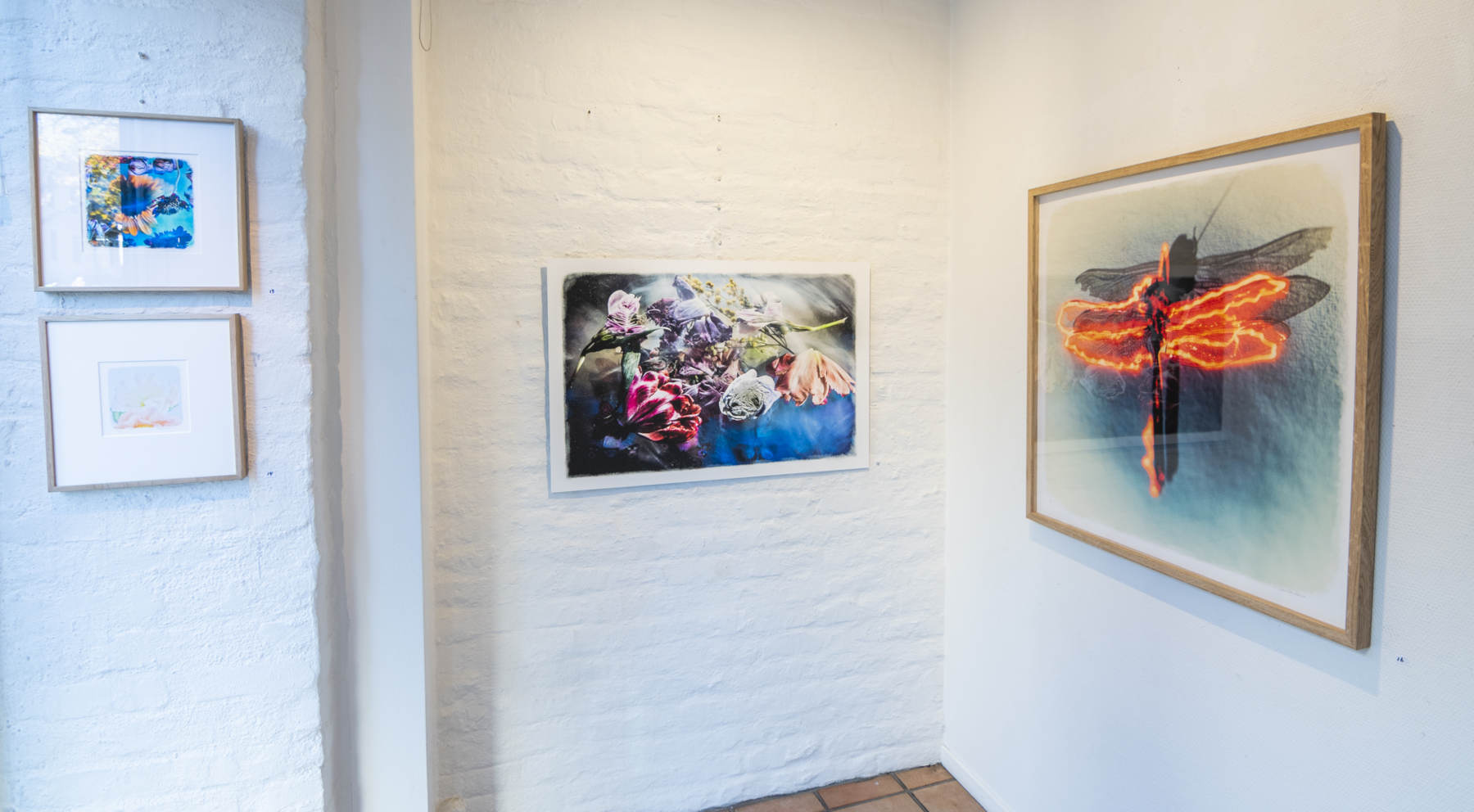
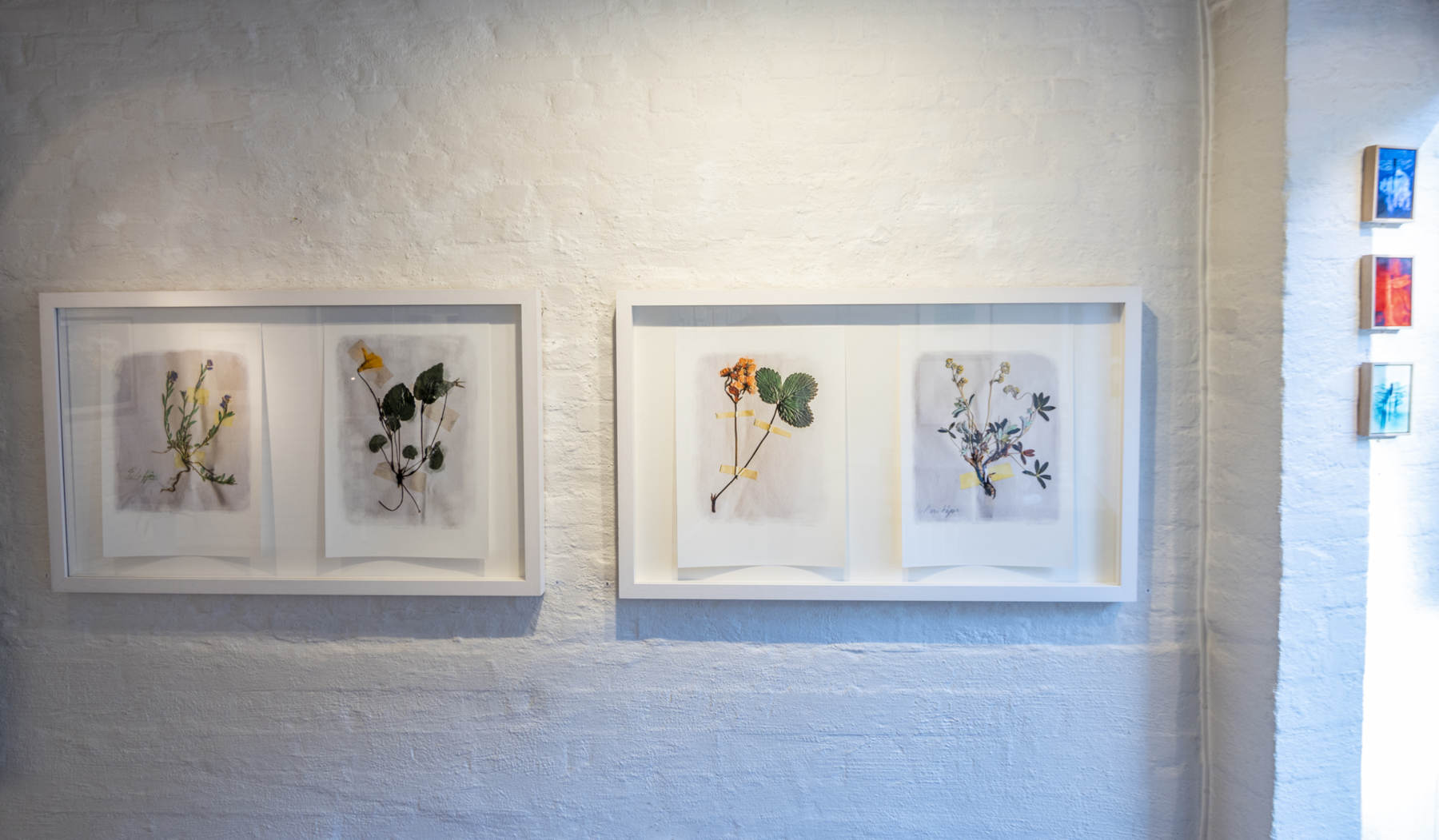
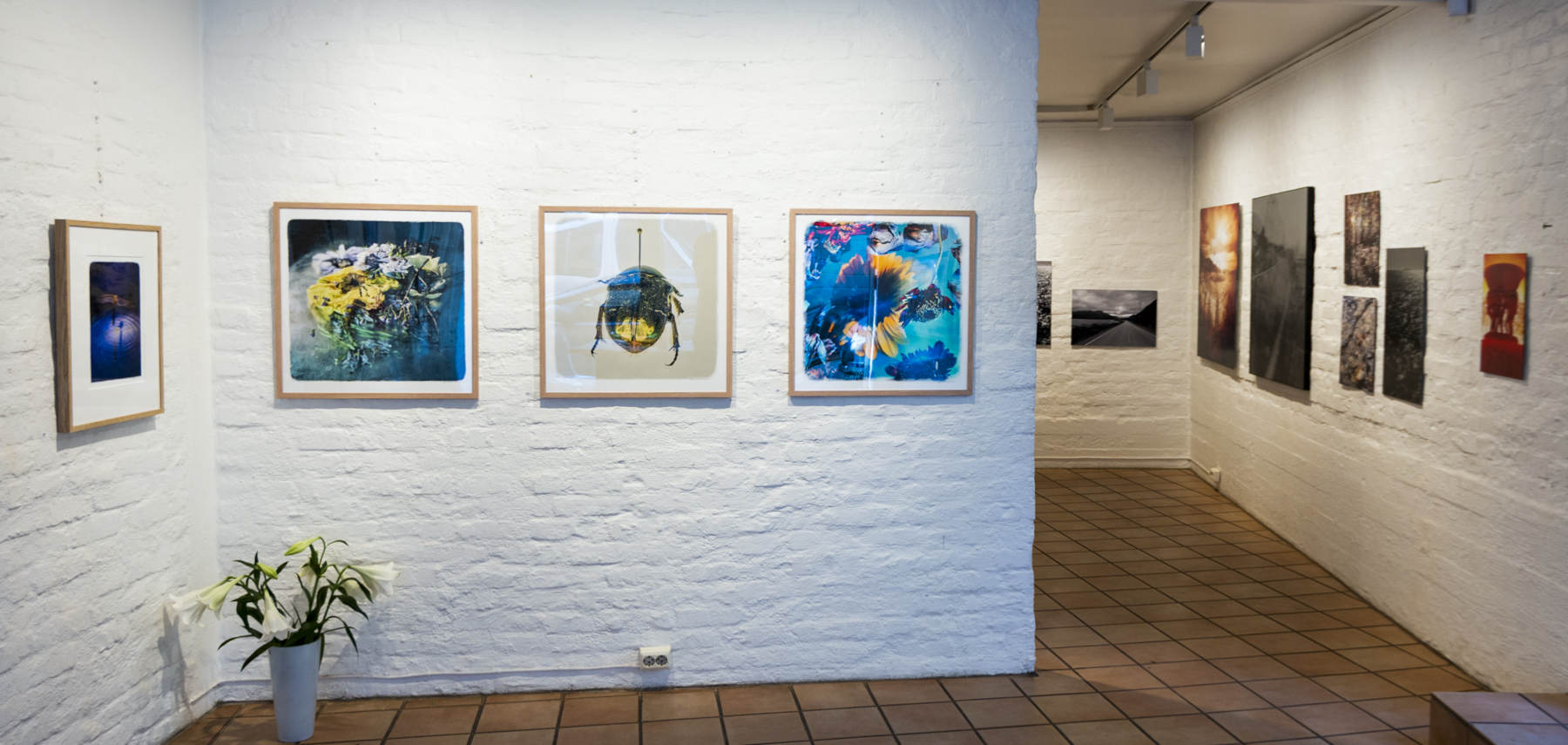
Herbarium – Galleri Albin Upp Oslo 2023
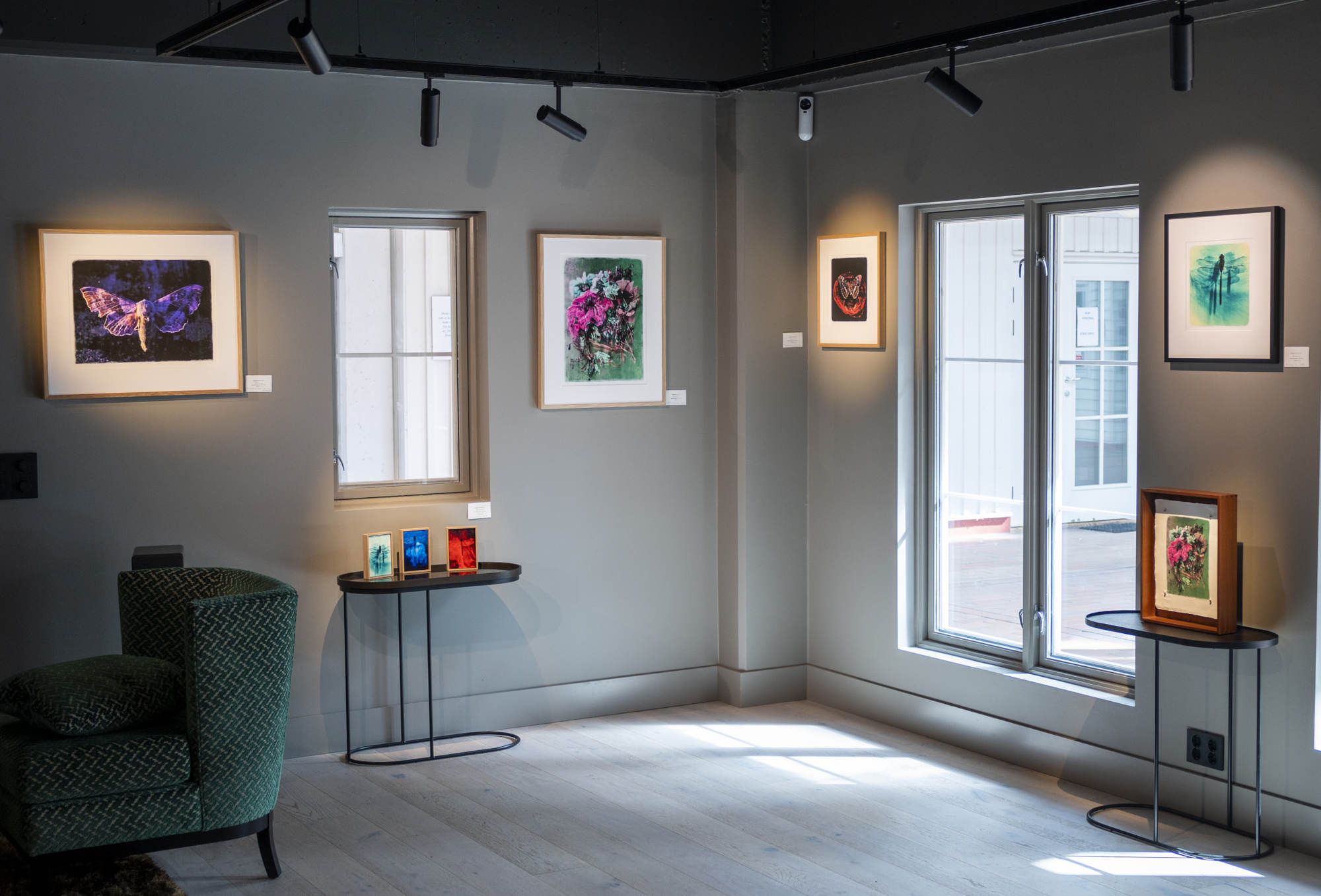
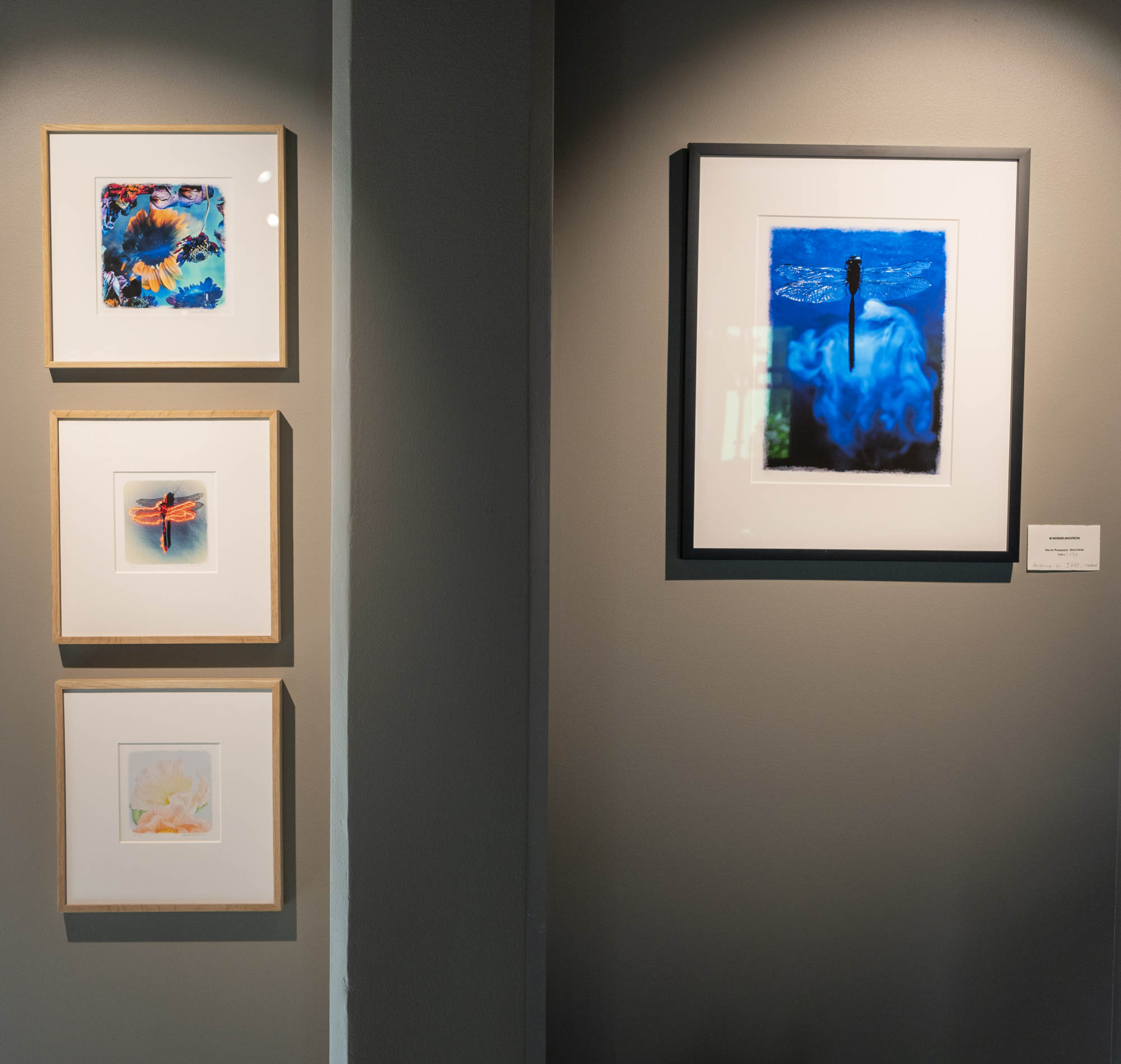
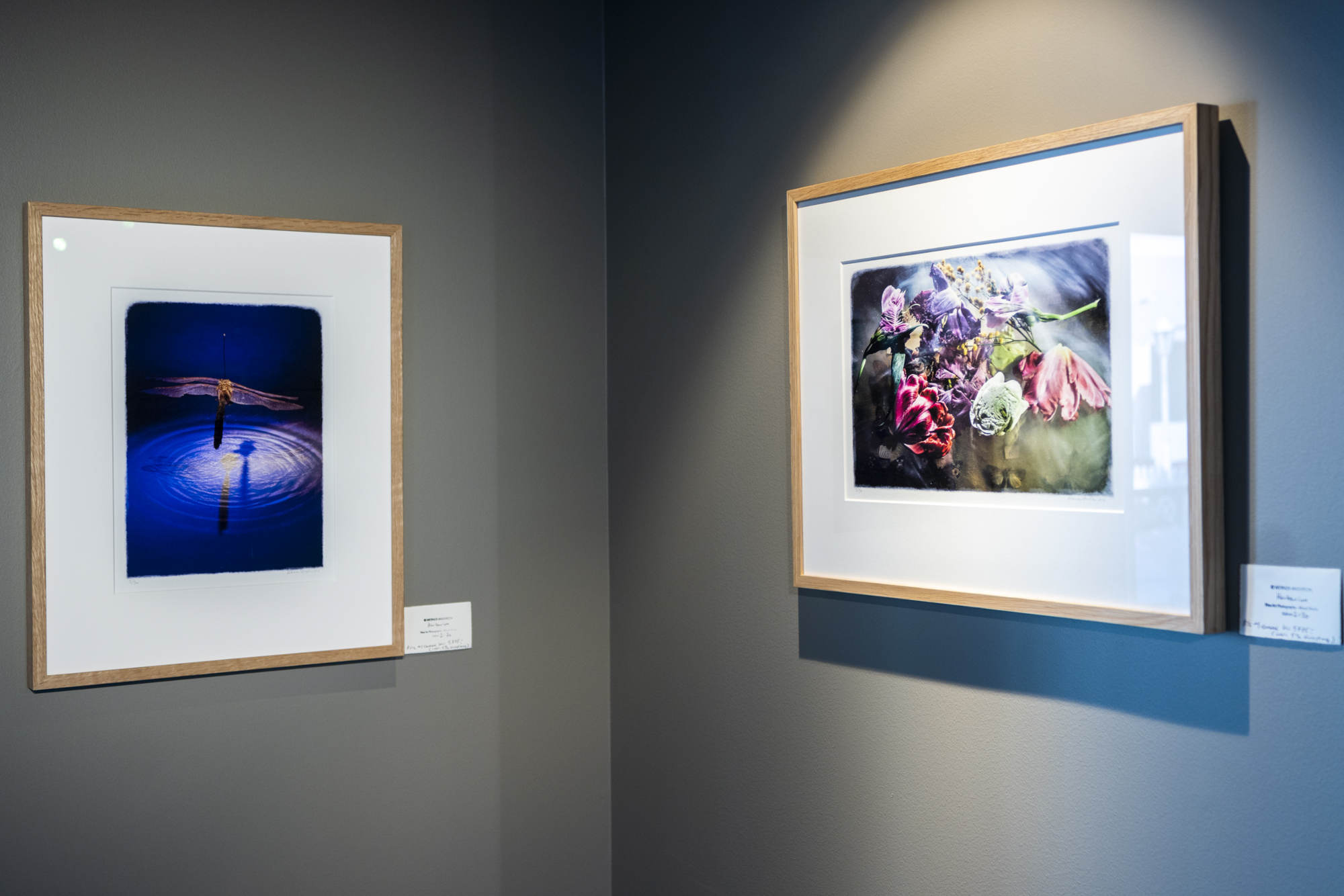
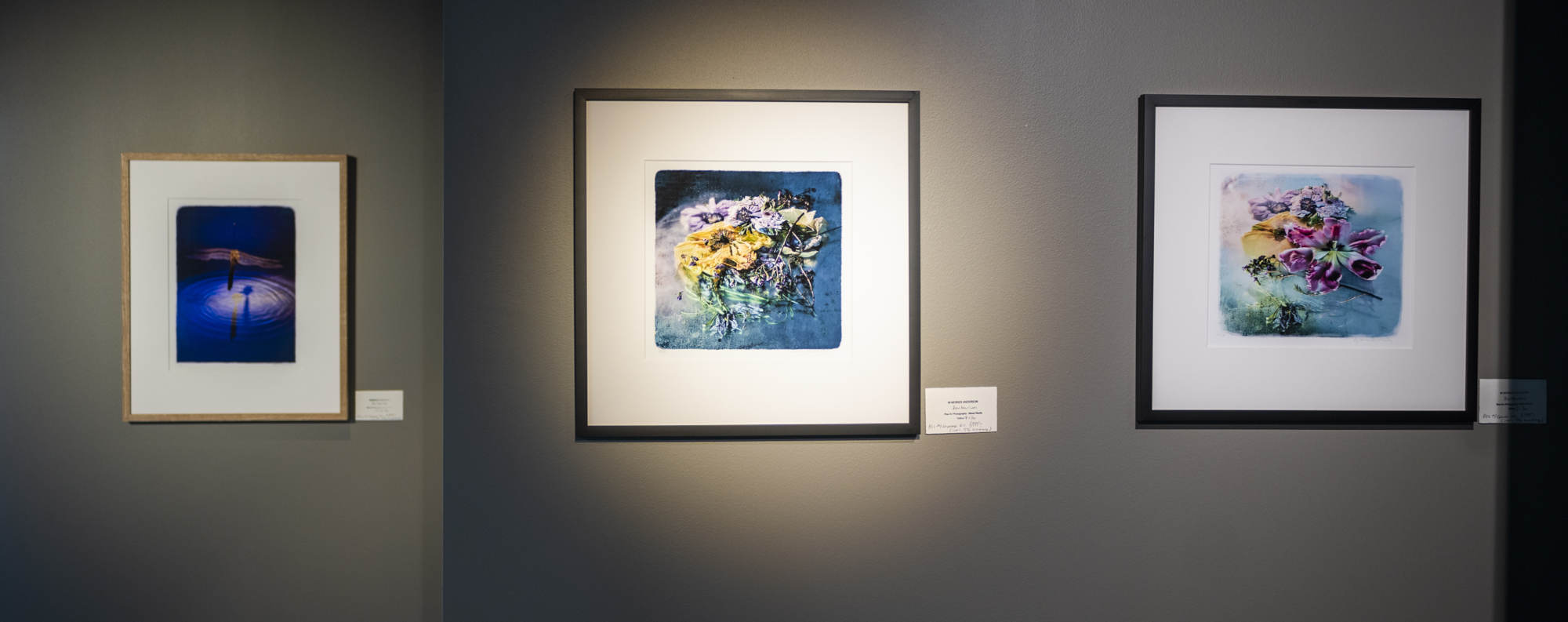
Herbarium – PopUp Drøbak 2023
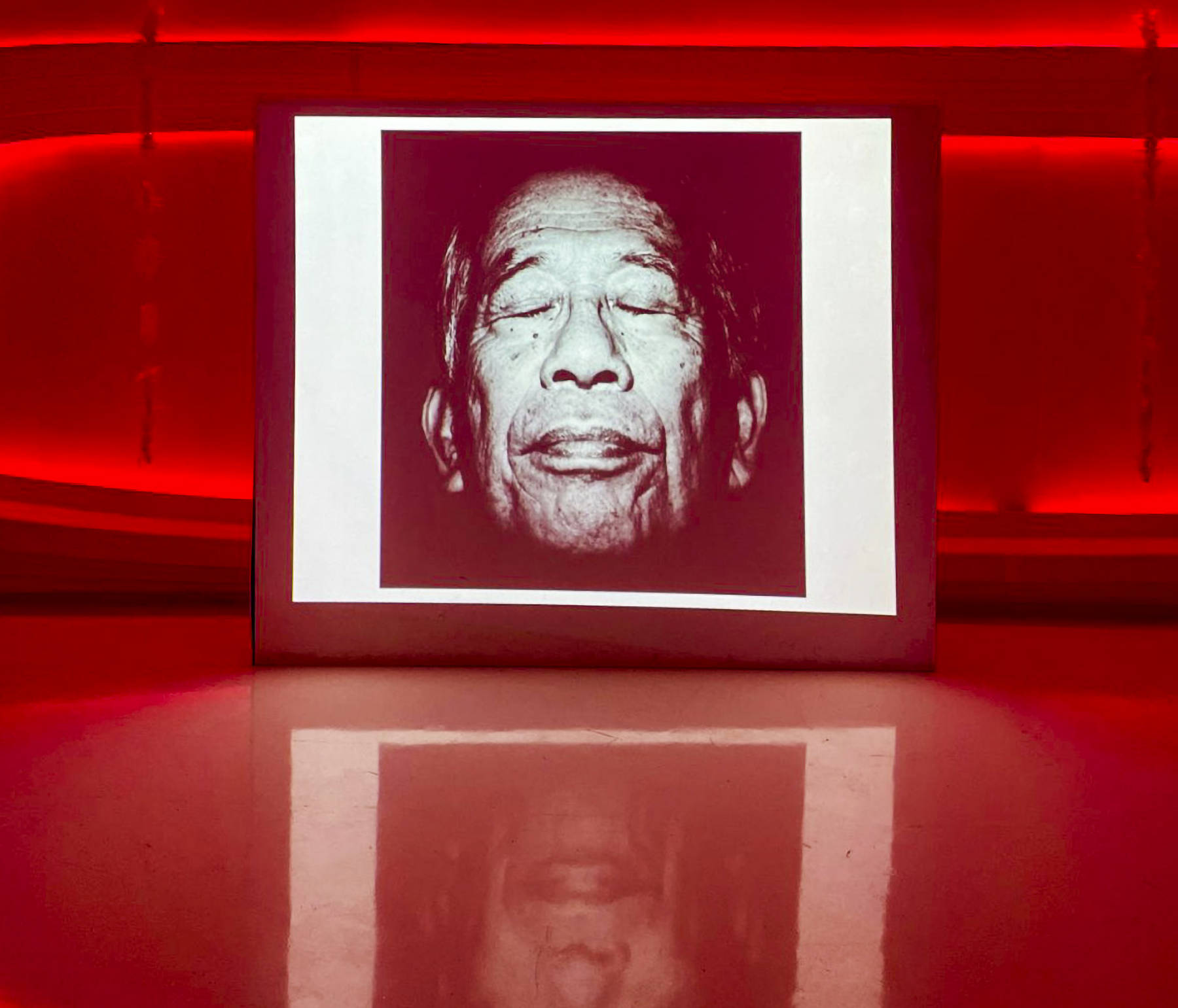
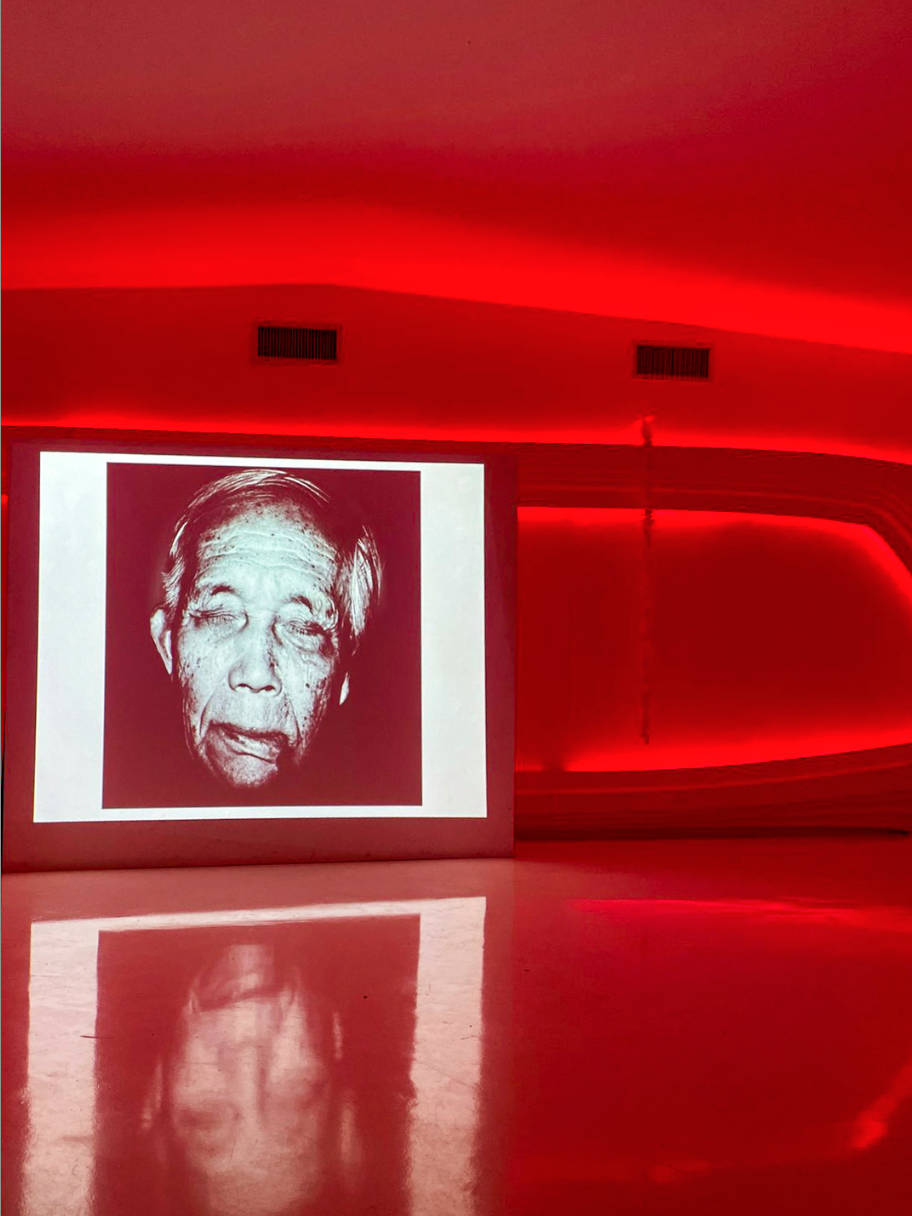
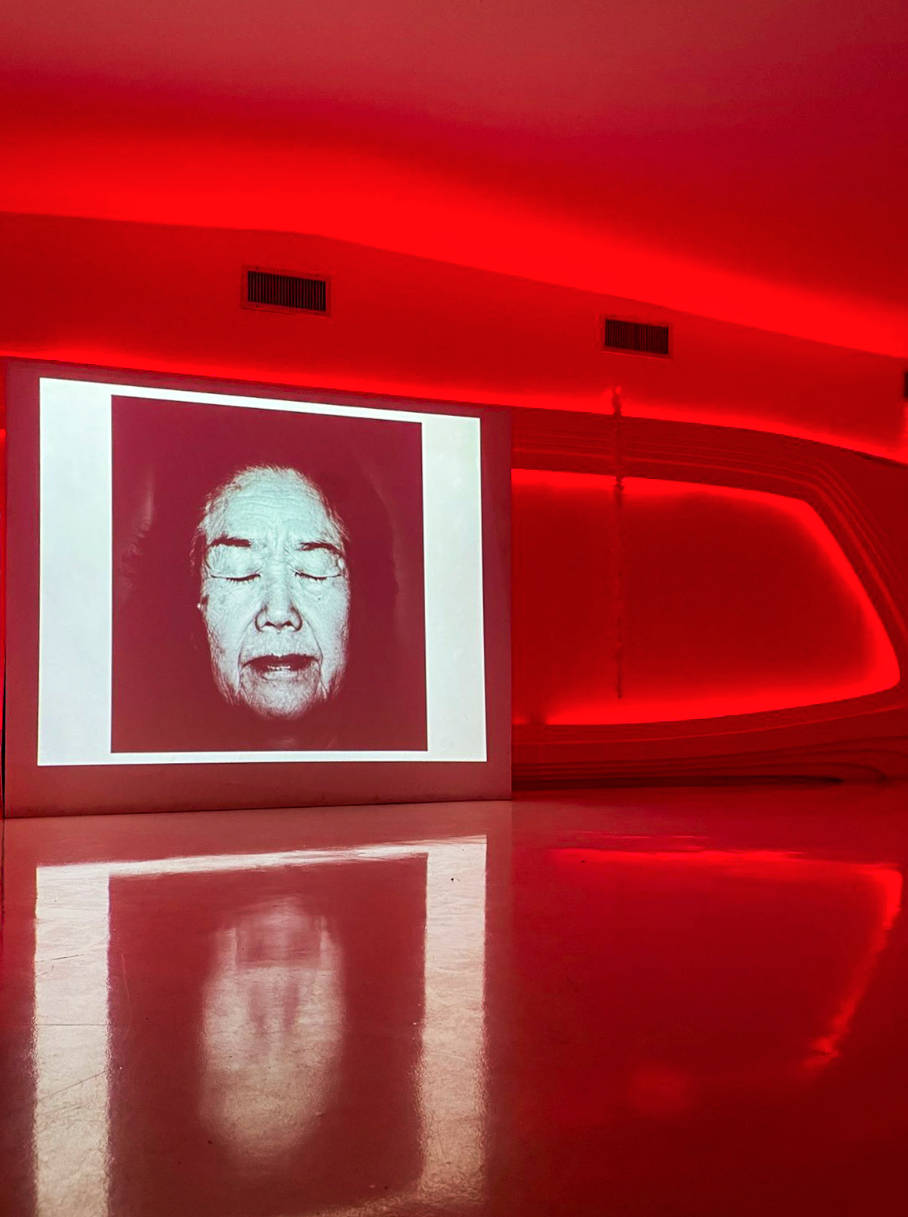
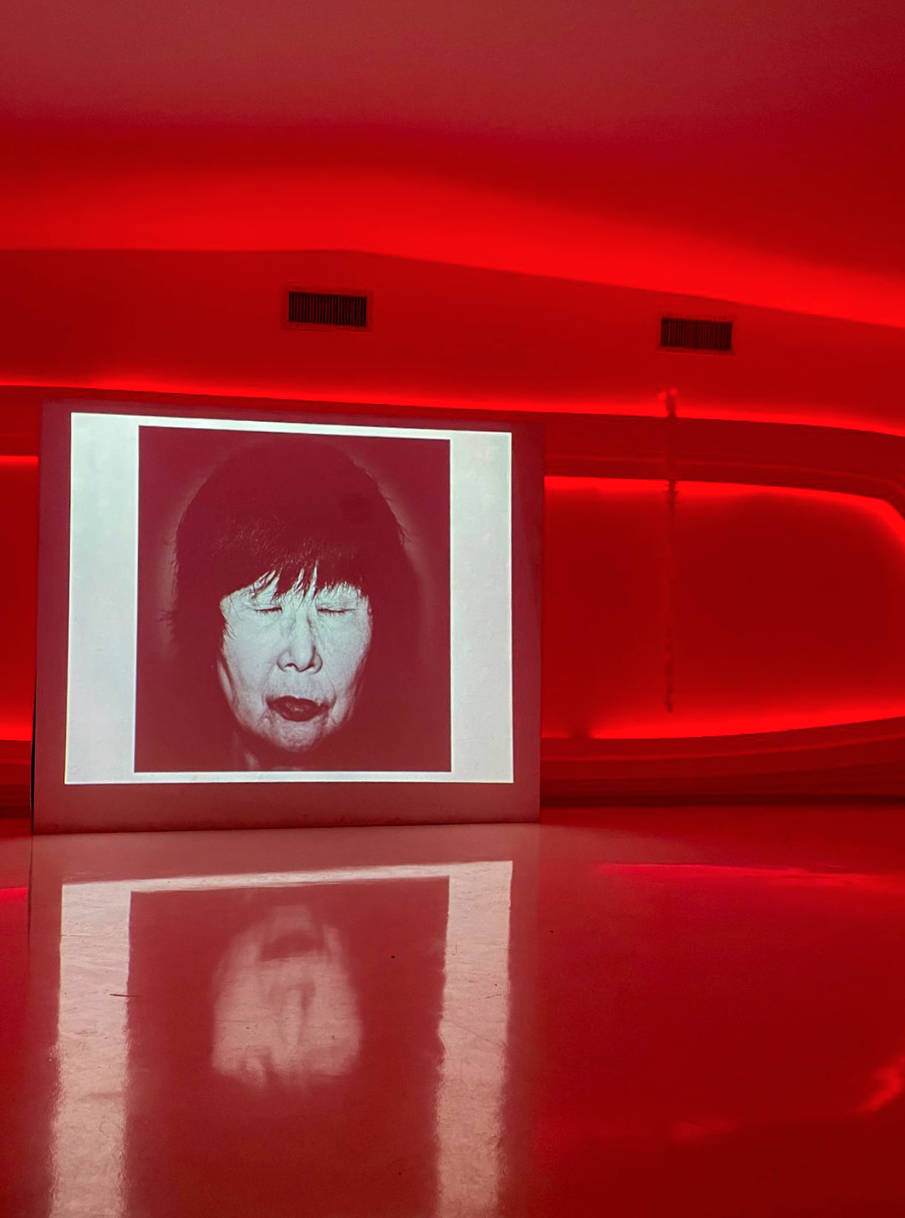
The Hibakusha Testimonies – Museo Internacional Democracia Argentina 2024
Hibakusha is a word of Japanese origin generally designating the people affected by the atomic bombings
of Hiroshima and Nagasaki at the end of World War II.
Your work brings attention to the personal stories of those who survived these atrocities, emphasizing the continued danger nuclear weapons pose to humanity and the future of global security.”
Lara A. Chiavarini
Manager
International Museum for Democracy
“The exhibition Scar is a remarkable example of how art can be used as a
means for asking critical questions and highlighting blind spots in the ongoing history-making
of the terror. The artist, Werner Anderson, has worked with the theme after thorough professional work
deepening and review of the facts, and not least, with great respect for those affected”
Lena Fahre, Director 22. juli-senteret Oslo/Norway
“SCAR challenges us to see invisible traces in the landscape, in the stories about the terrorist attack. How we relate to the difficult stories says a lot about a society’s values and self image.
Which parts of the past we lift into our time is not accidental. It’s human not to be able to being in the darkest room for too long. And July 22 is the darkest room. But it is necessary to do so at regular intervals. This project is such an occasion.”
Jørgen W. Frydnes, former Director at Utøya AS
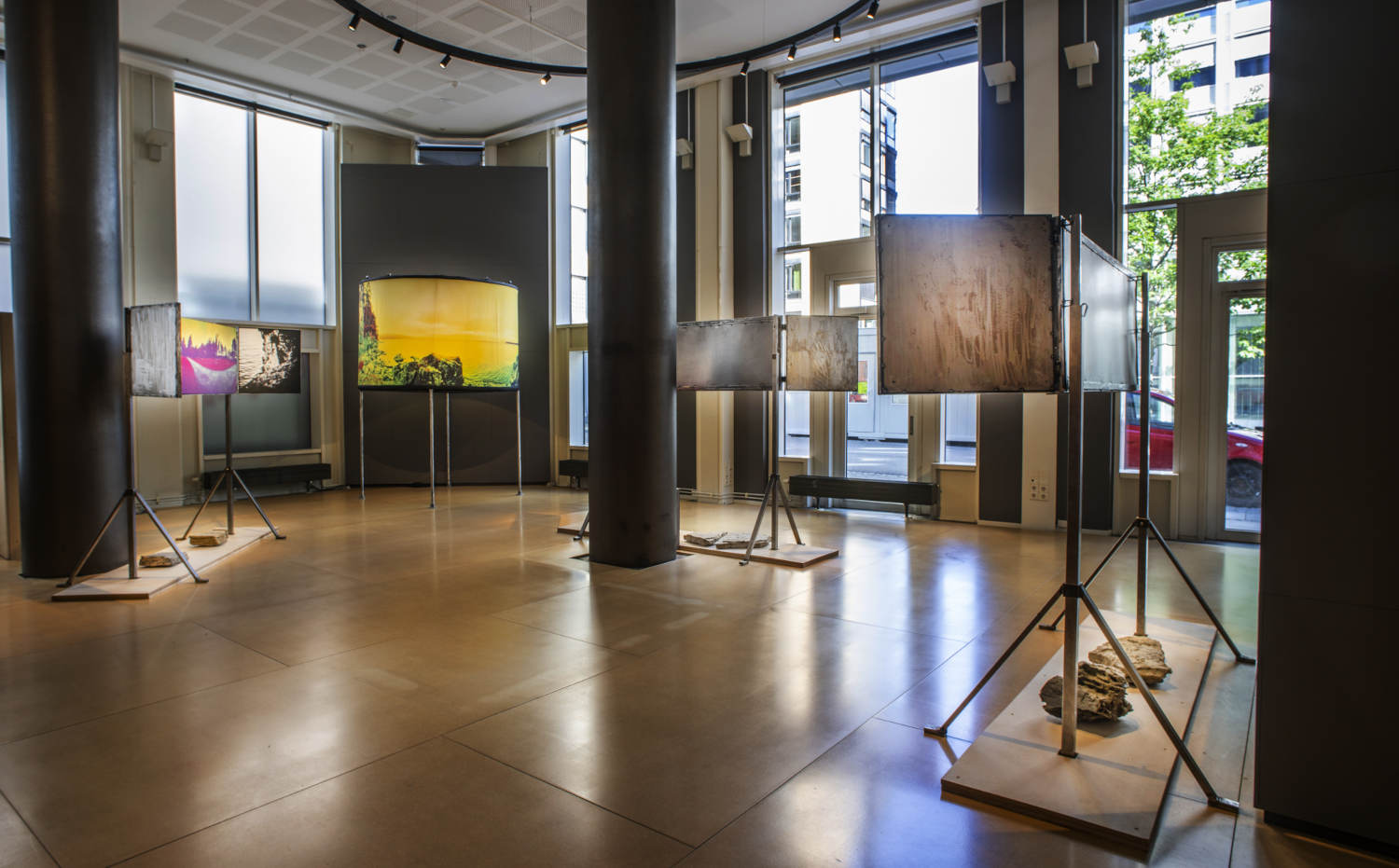
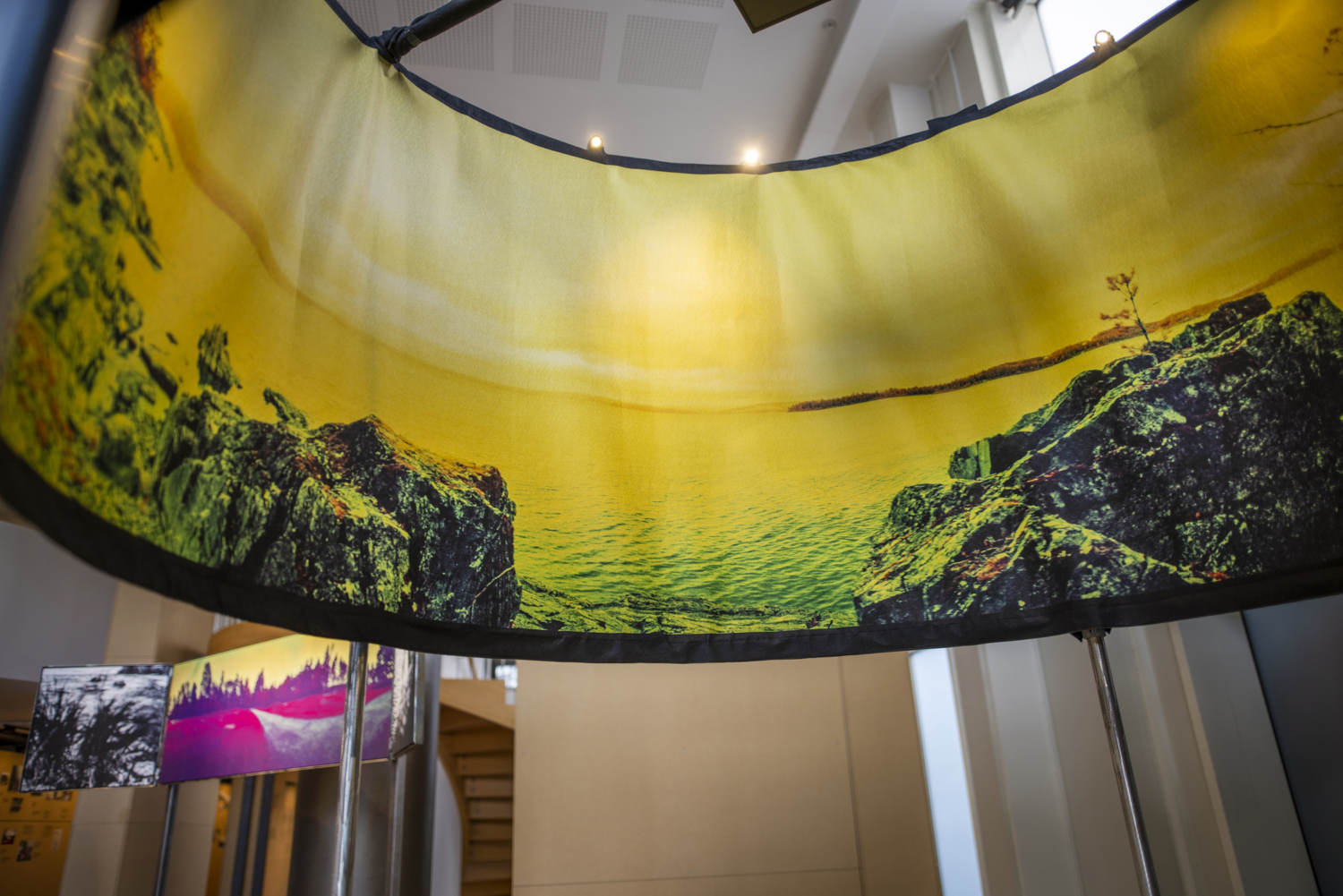
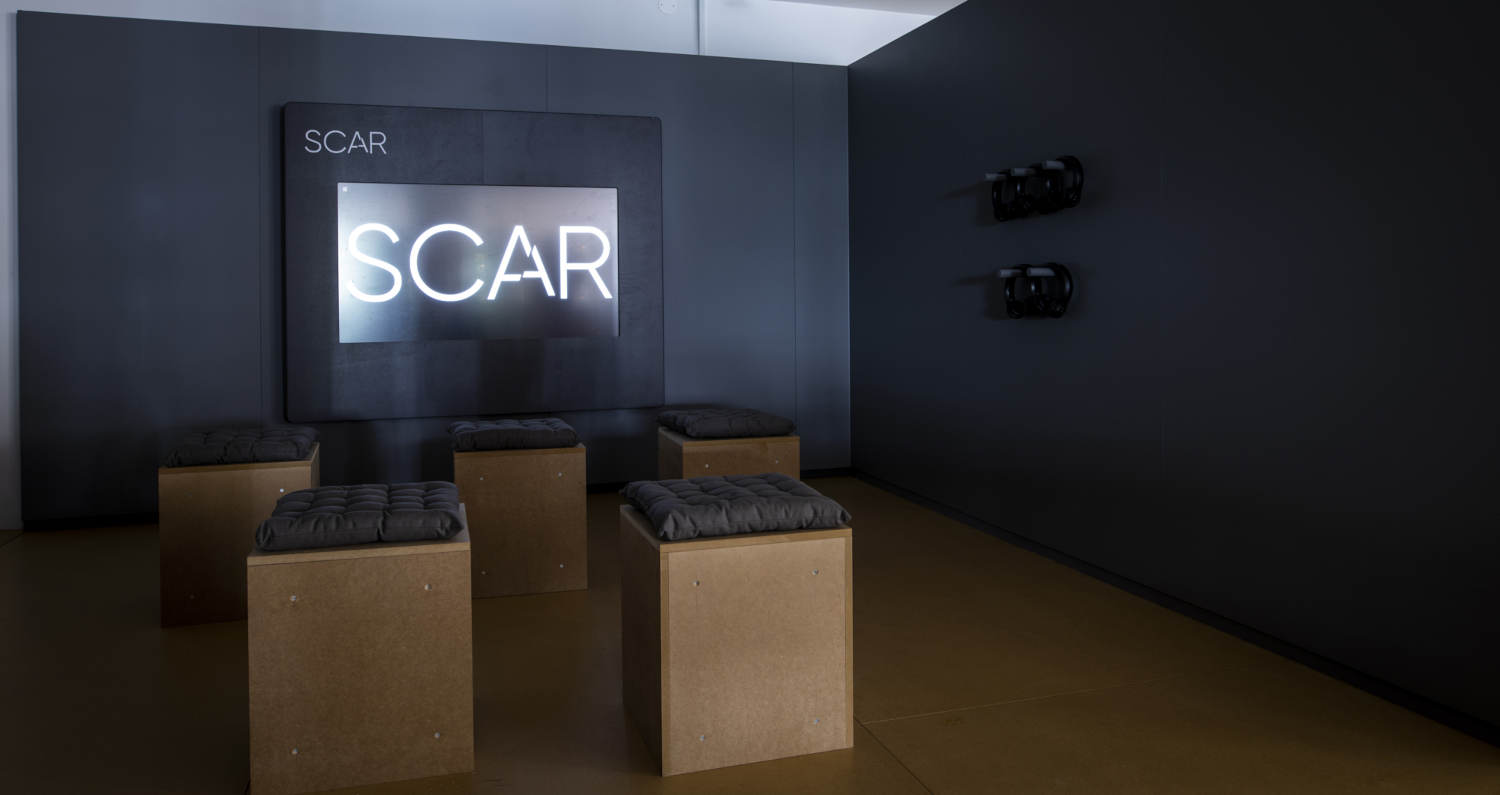
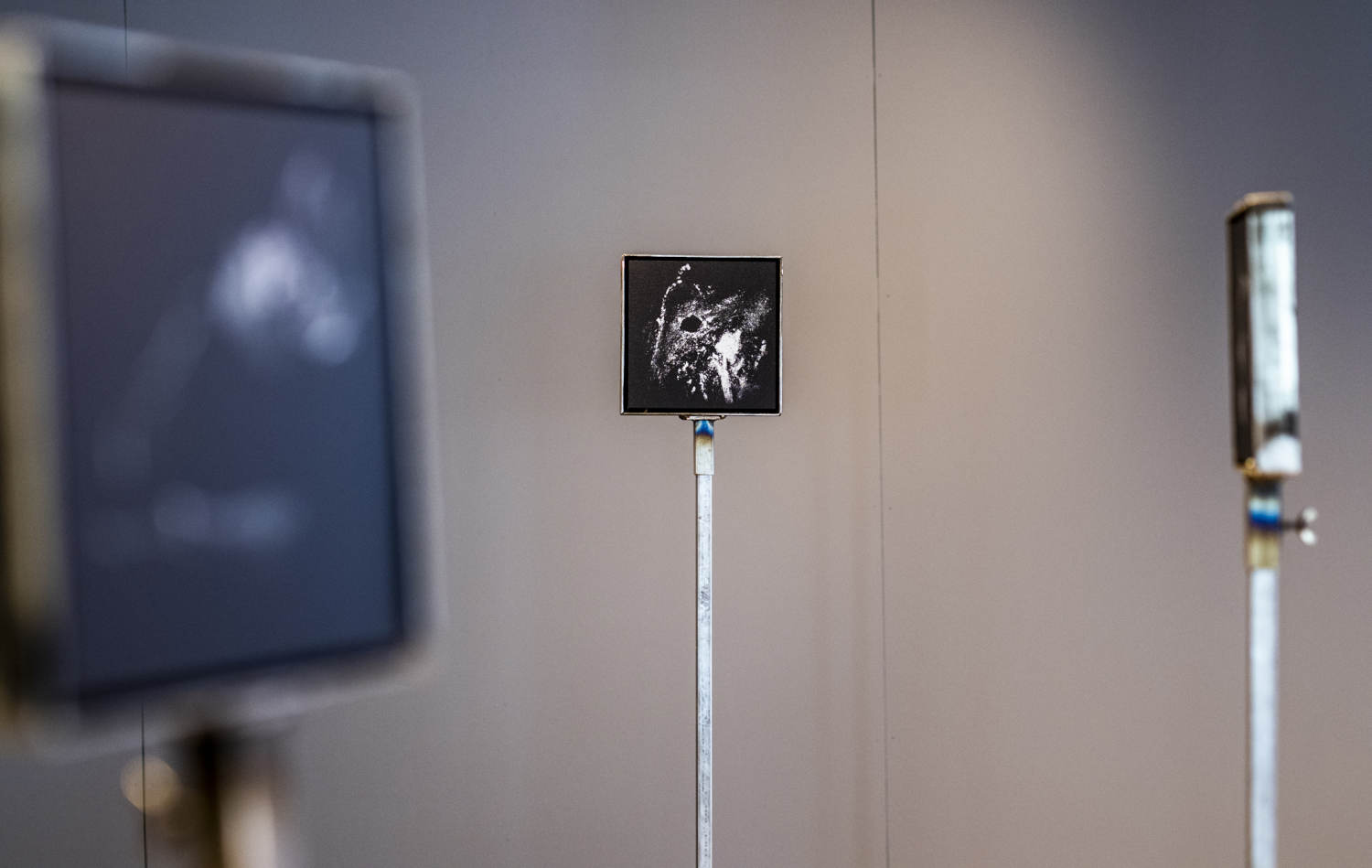
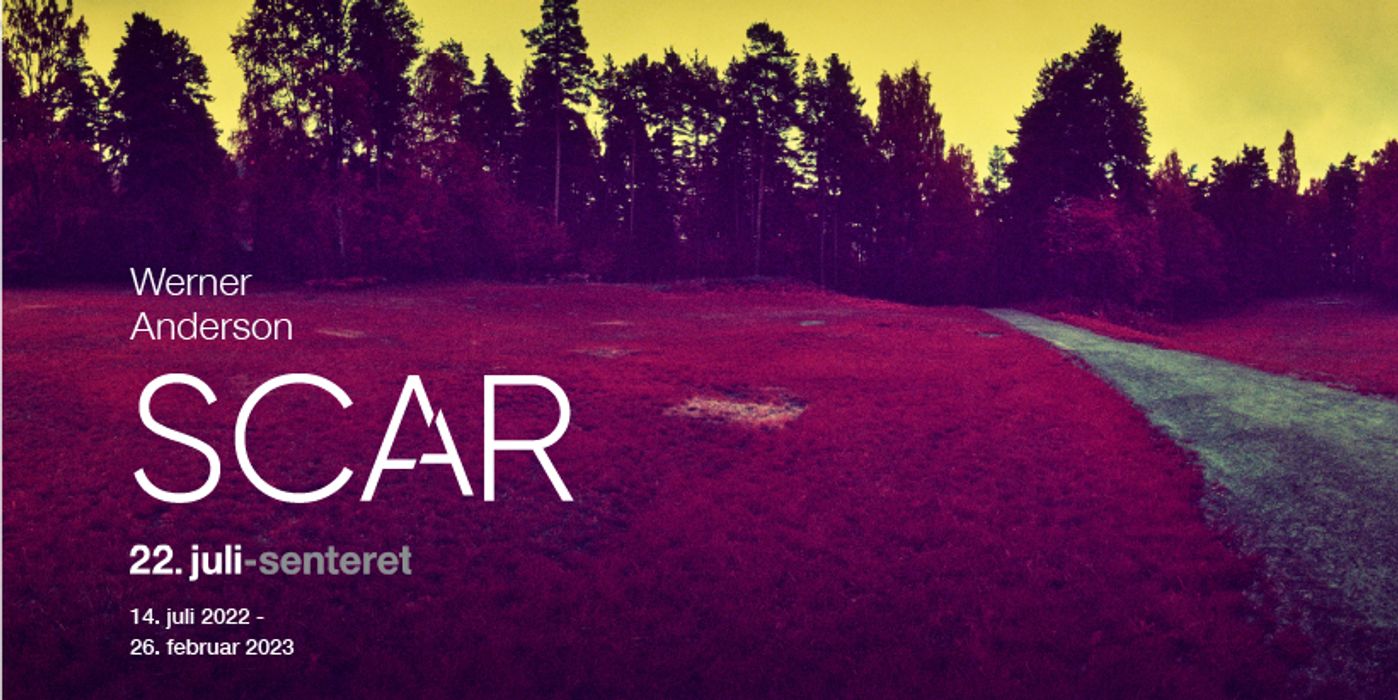
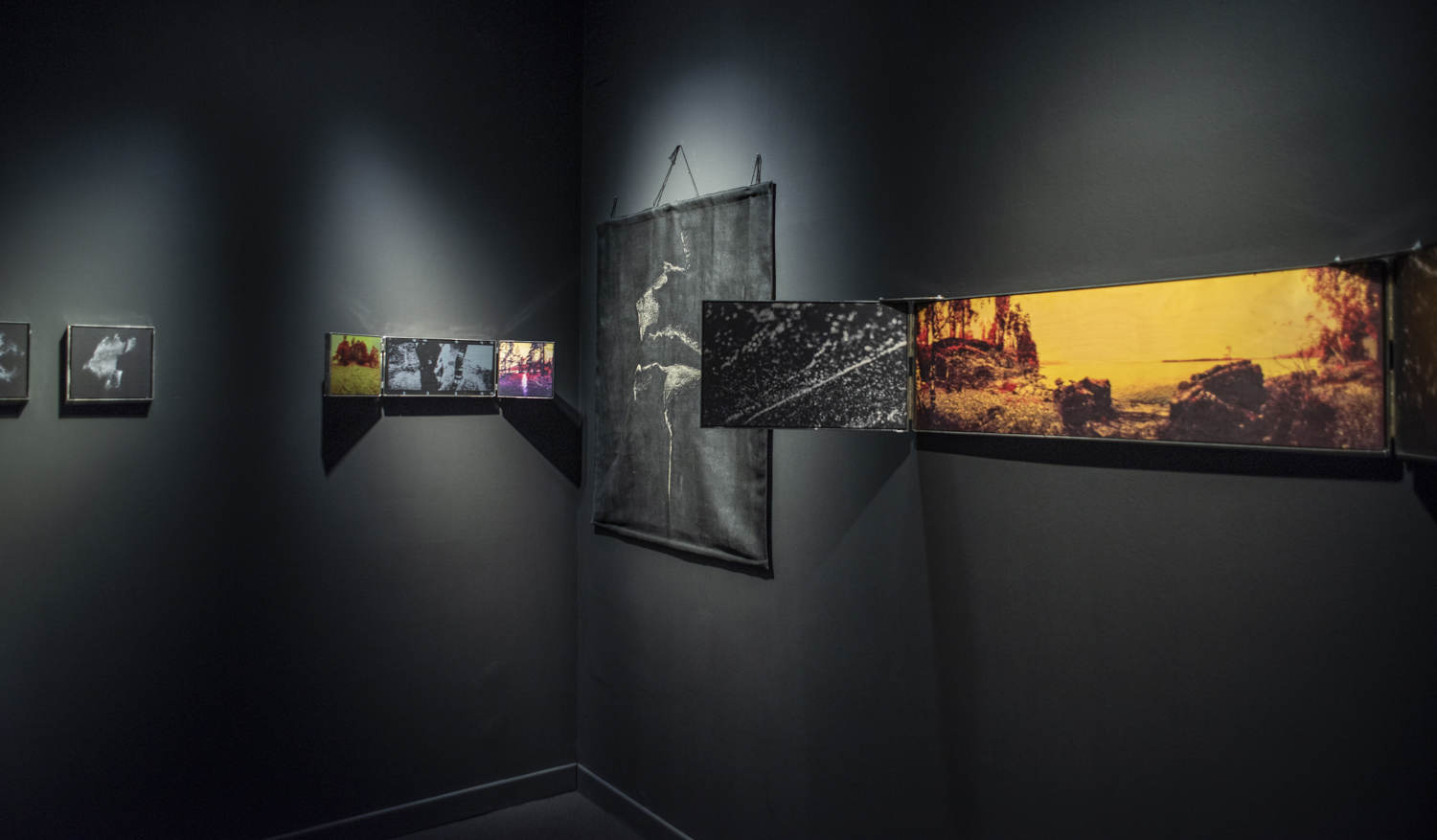
Scar is a photographic exhibition featuring pictures of the two sites targeted in the terror attack of 22 July, taken by the artist Werner Anderson between 2016 and 2021.
The exhibition invites audiences to reflect on perspectives, proximity and distance, and on how we as individuals and as a society make choices about what we see when we approach this difficult story. What is it possible to understand, and what aspects of the terror attack do we wish to take on board? What remains concealed, what do we prefer to push to the side?
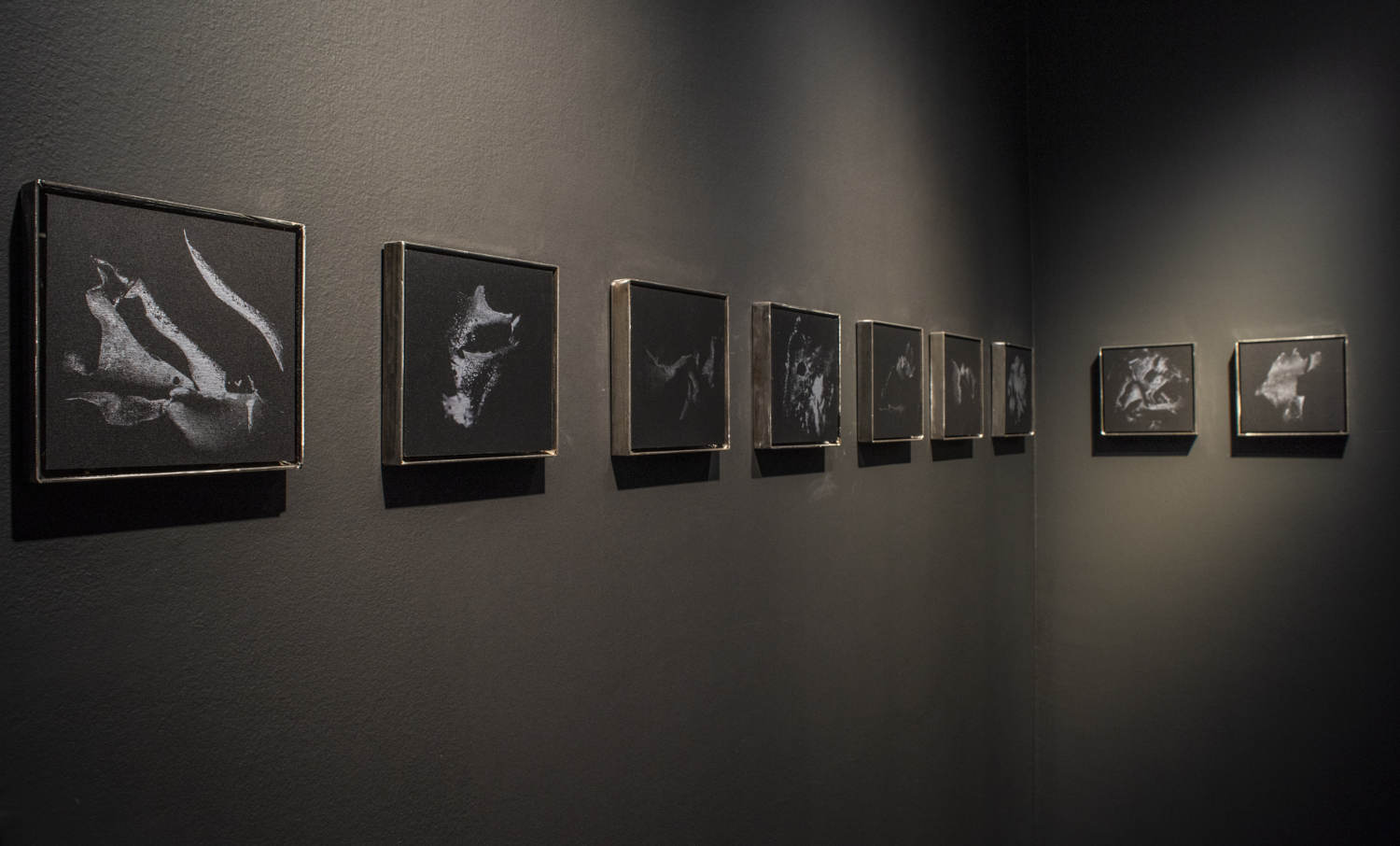
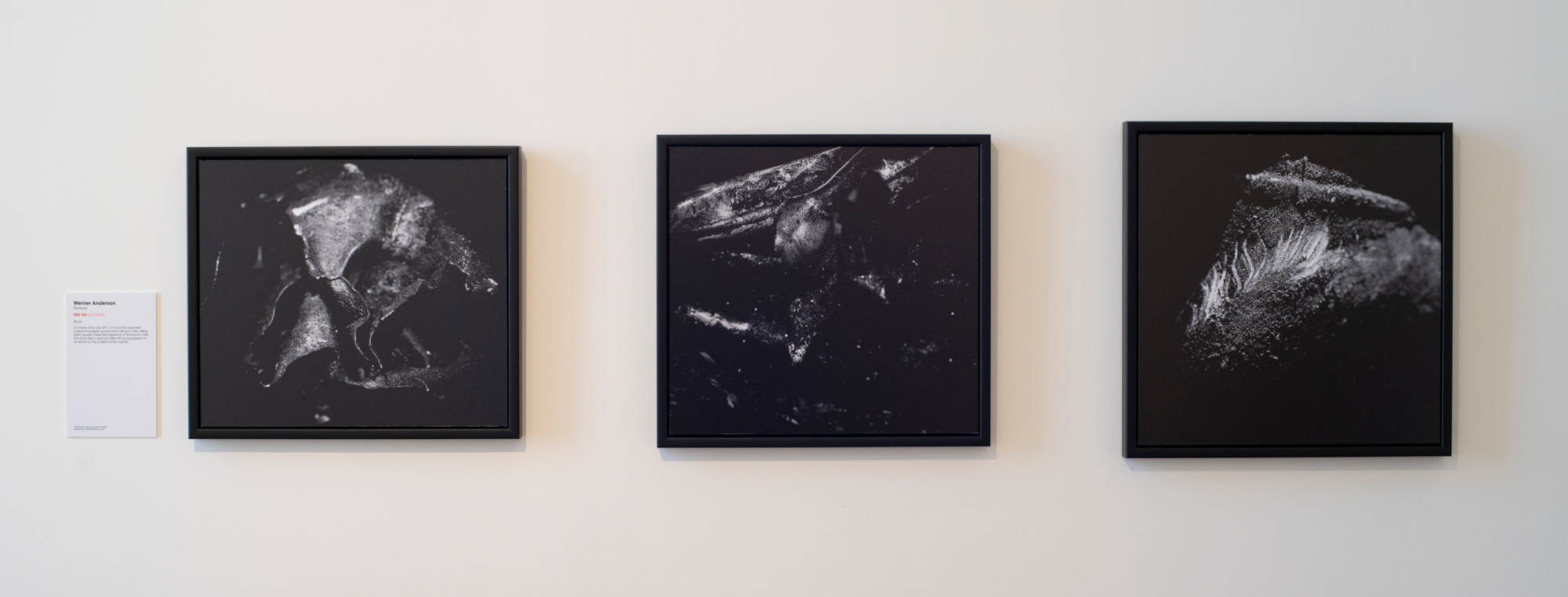
Scar is an art installation in two parts. The Utøya landscapes were photographed using a 360-degree camera and exposed on infrared film. The black and white photographs from the Government Quarter show fragmented details of twisted steel from the wreck of the car that carried the bomb. The terror attack in 2011 is the backdrop as well as the motif in both cases, but the perspectives and the points of view are different. In this way, the artist encourages audiences to continue asking new questions in the public conversation about 22 July.
Text by: Ana Rita Ferreira and Maja Gudim Burheim/ 22. juli-senteret
Read more: https://www.22julisenteret.no/aktuelt/utstillinger/scar

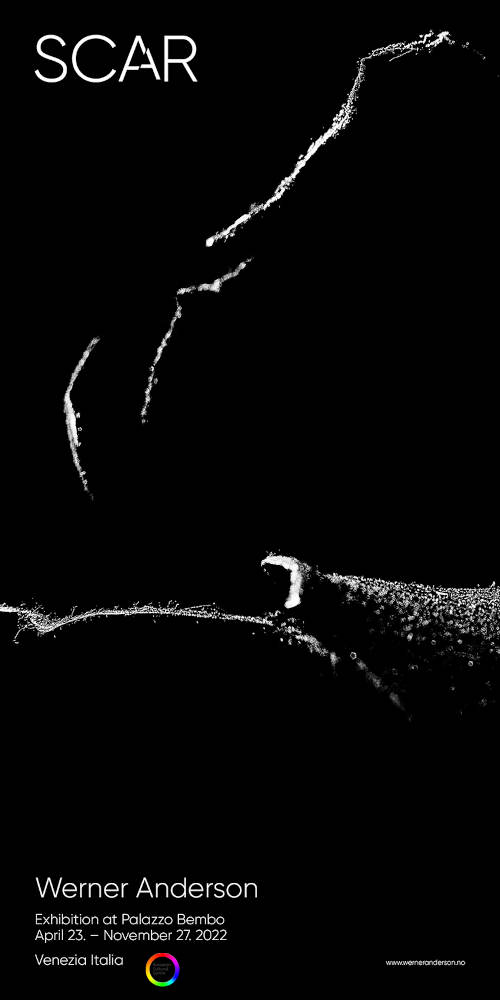
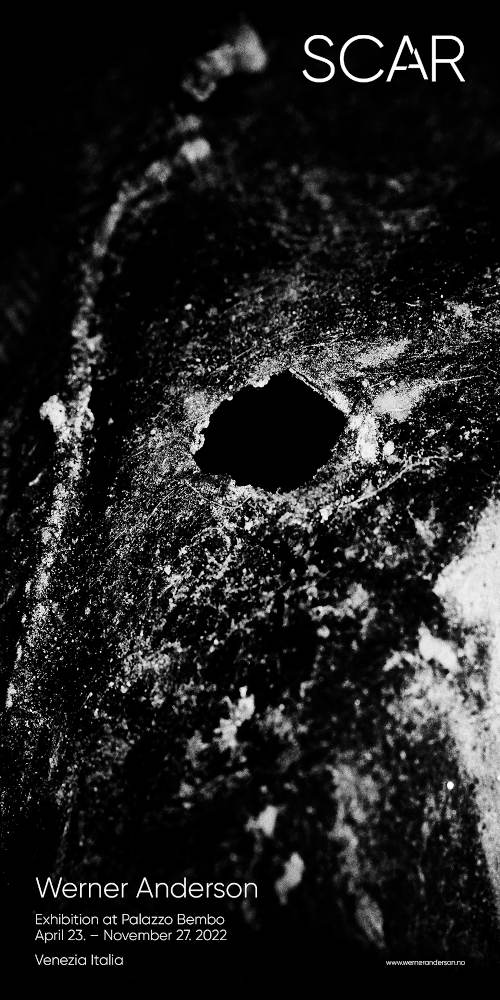
SCAR – ECC Venezia Biennal Art Exhibition 2022
SCAR exhibited in Palazzo Bembo, revolves around the idea of reflections, which embodies the dual meaning of a visible episode perceived by the eyes and a mental deed stemming from the action of thinking and pondering with the mind. As envisioned by the European Cultural Centre curator team, the act of reflecting carries the potential to foresee possibilities and the responsibility of imagining a better future.
Supported by: 
Sony World Photography Awards 2018: Third Place in Professional Still Life
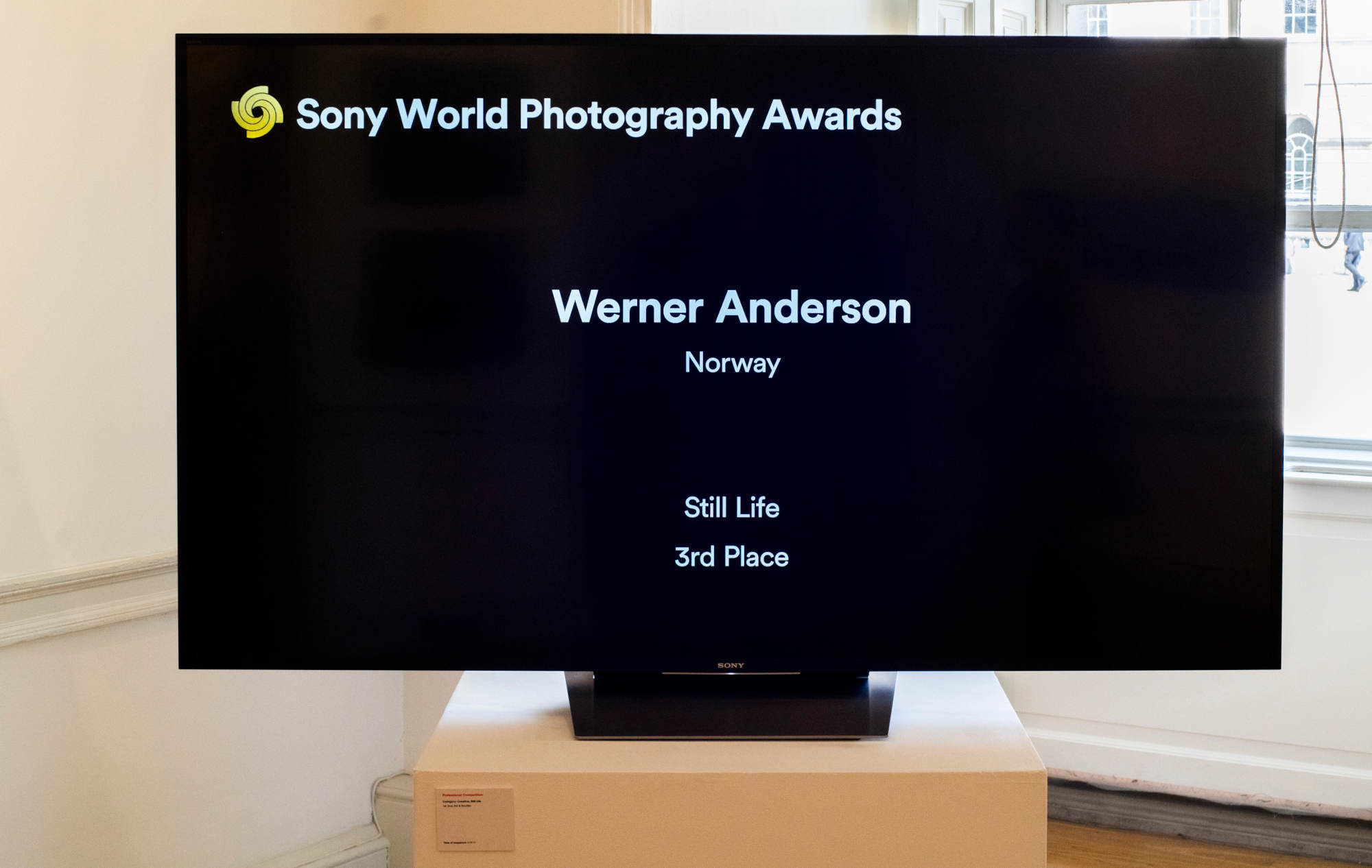
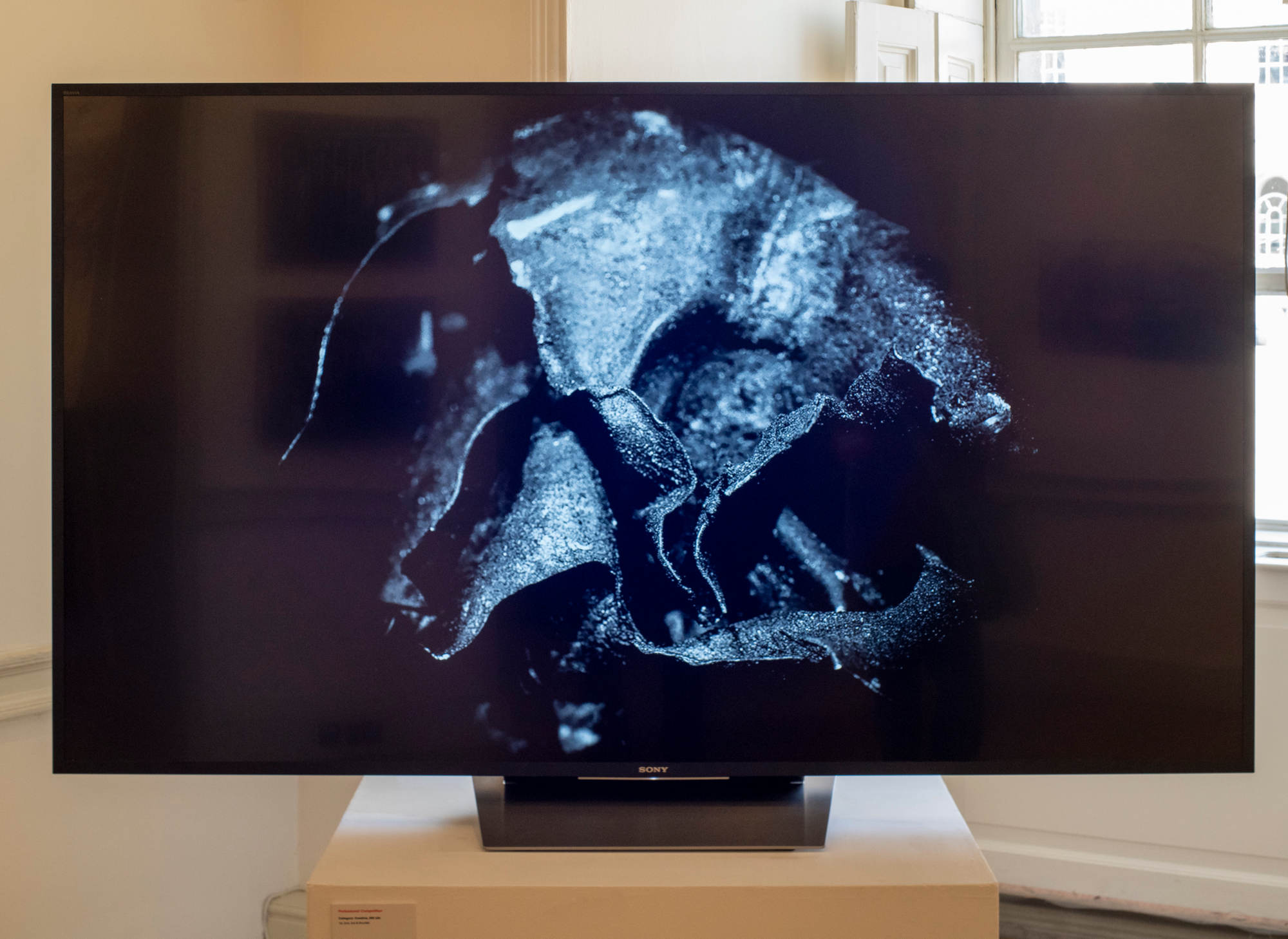
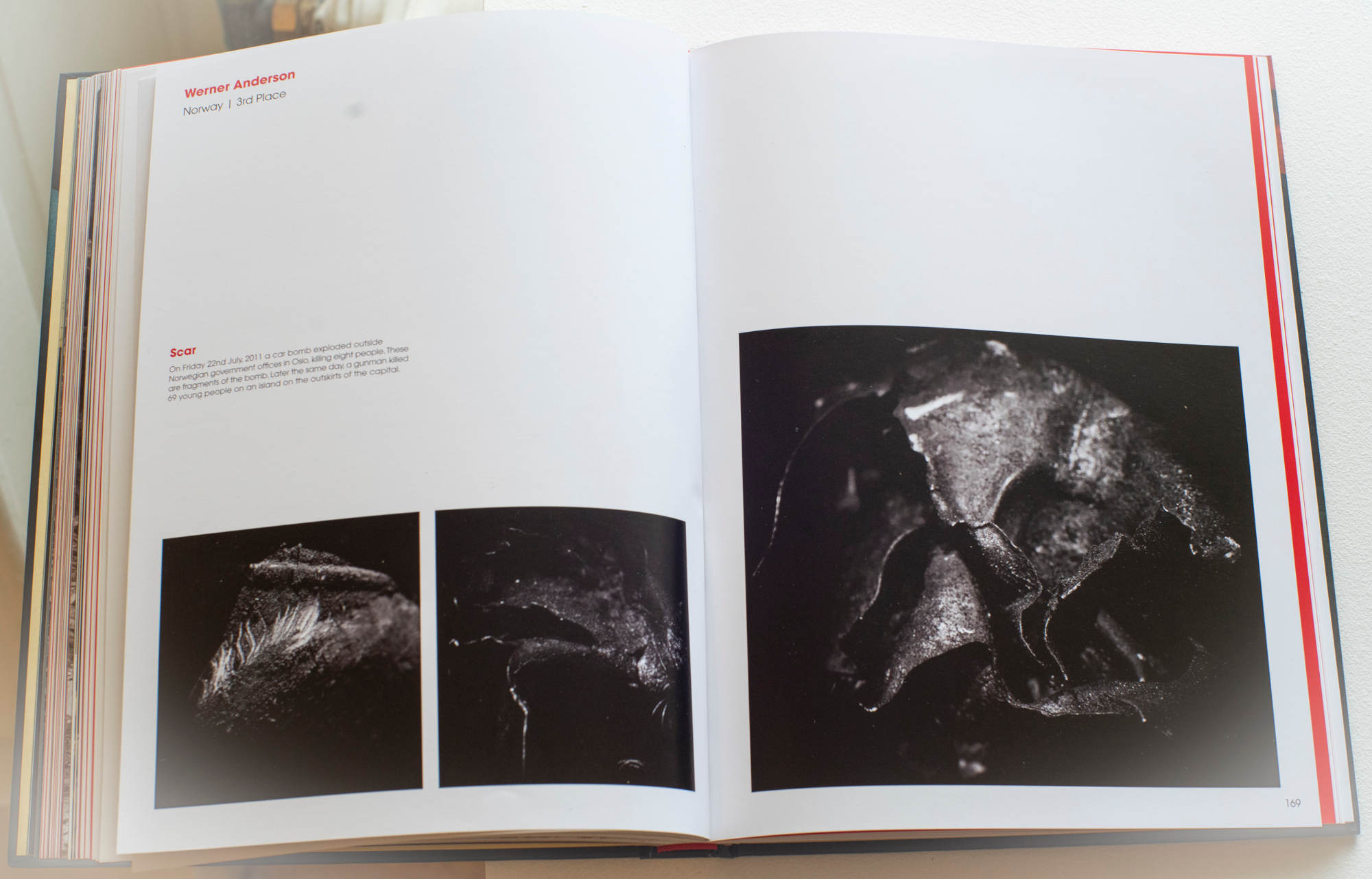
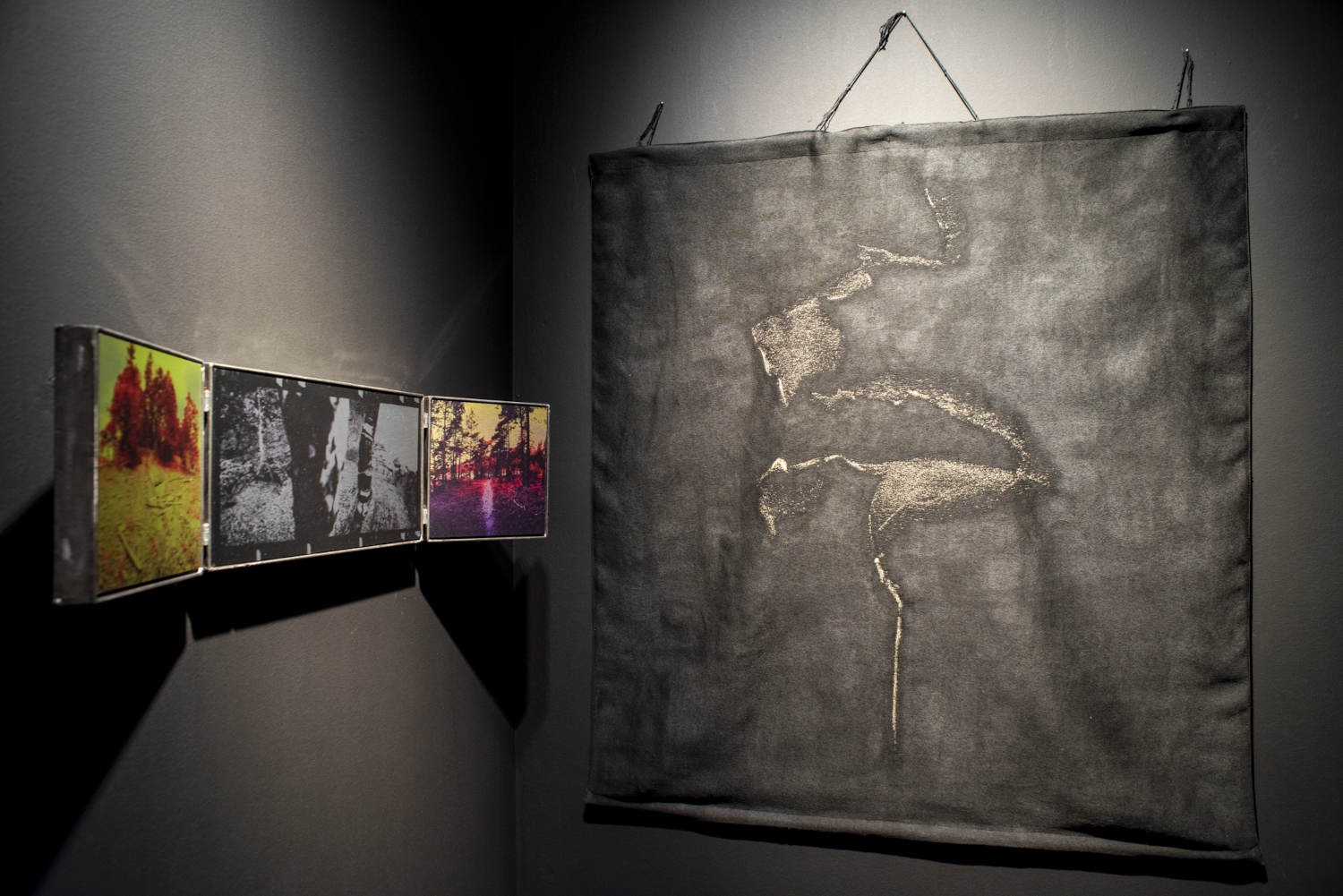
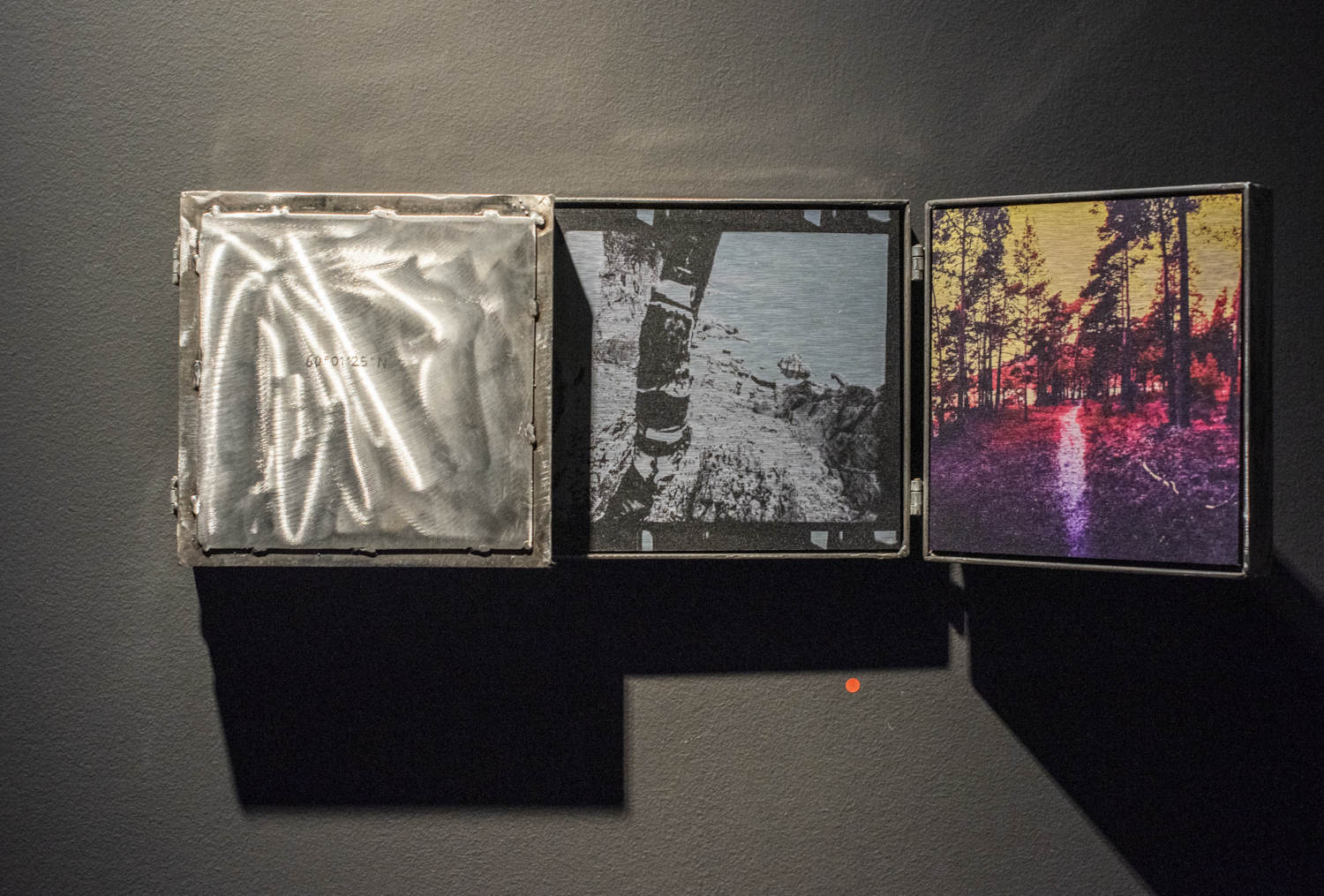
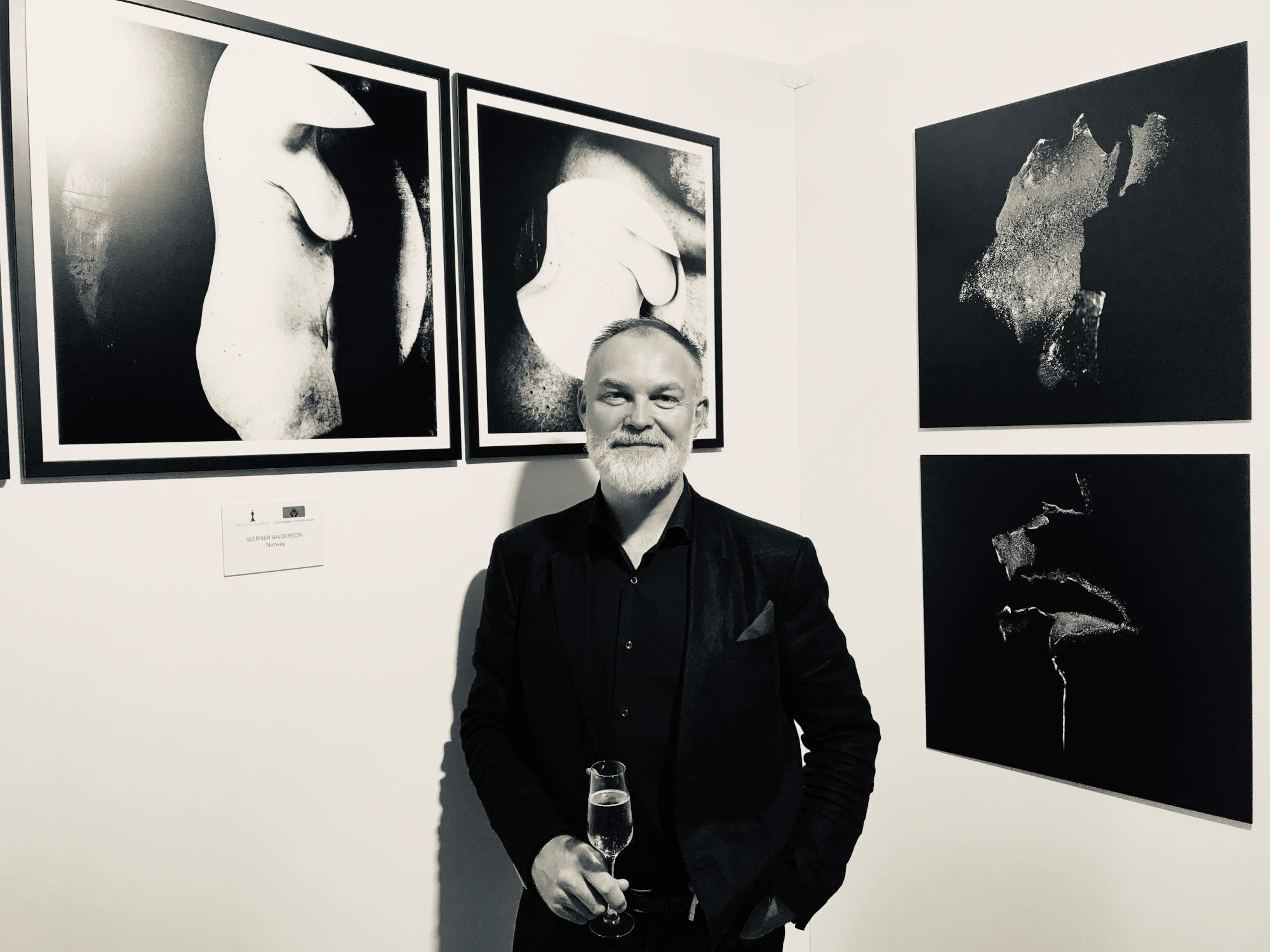
Norwegian photographer Werner Anderson achieved international recognition with his series Scar, which won third place in the Professional Still Life category at the 2018 Sony World Photography Awards. This honor was awarded for Anderson’s poignant exploration of the aftermath of the July 22, 2011, terror attacks in Norway—one of the darkest chapters in the country’s history.
Scar focuses on the physical remnants of the attacks; haunting fragments of twisted steel from the car bomb that exploded in the Government Quarter in Oslo. Through his lens, Anderson invites the viewer to reflect on the devastating aftermath of the attacks and their lasting impact on both the physical and emotional landscape of Norway.
Scar was selected from over 319,000 entries from around the world, making it one of the most highly regarded submissions in the 2018 competition. After being shortlisted, the series was awarded third place in the Professional Still Life category. Following the award, Scar was exhibited at Somerset House in London, further solidifying its impact and recognition within the global photographic community.
For Anderson, the Scar series is not merely a documentary of a catastrophic event but a deeply personal attempt to understand what happened in his peaceful homeland. The images are dark, intense, and emotionally charged, each one standing as a stark reminder of the horror that unfolded on that fateful day. By focusing on the aftermath—the physical remnants of violence—Anderson’s work addresses the long-lasting psychological and societal scars left behind.
As one of the most significant photographic awards globally, the Sony World Photography Awards recognized Scar not only for its technical mastery but also for its ability to convey the weight of trauma and the resilience required to process such a profound tragedy.
IN HEAVEN OR HELL – Edvard Munchs Atelier 2019
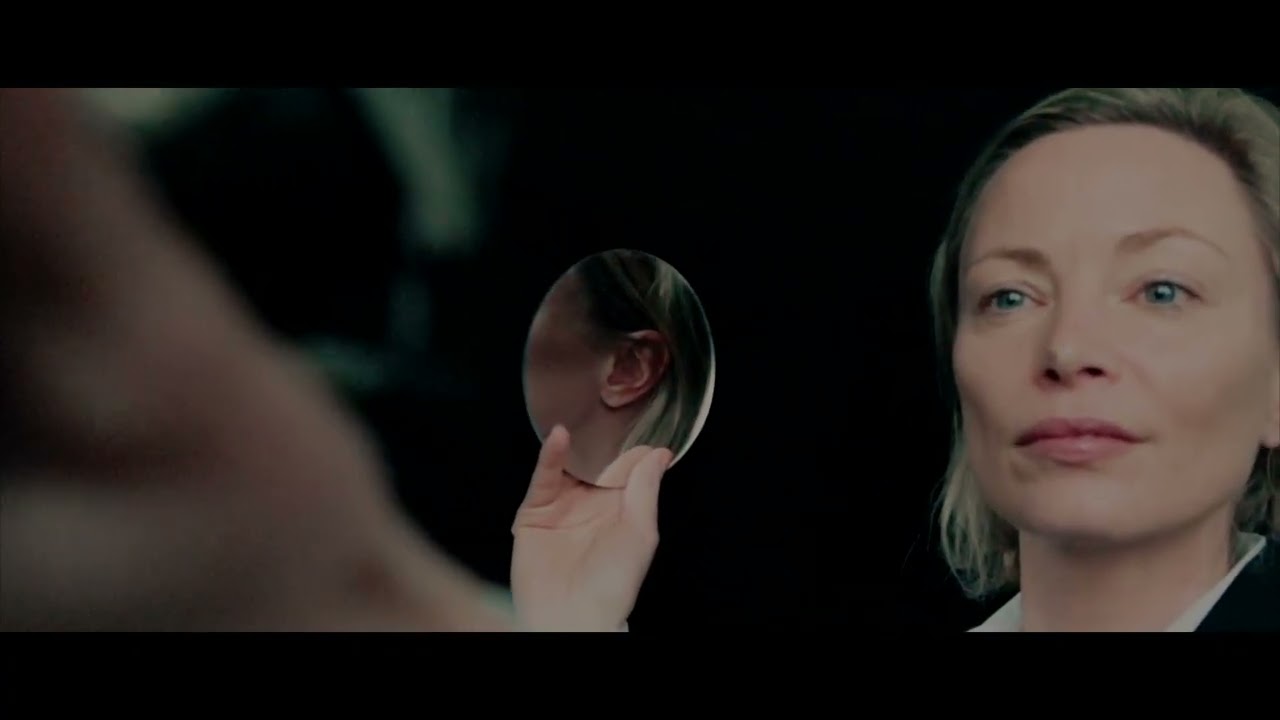
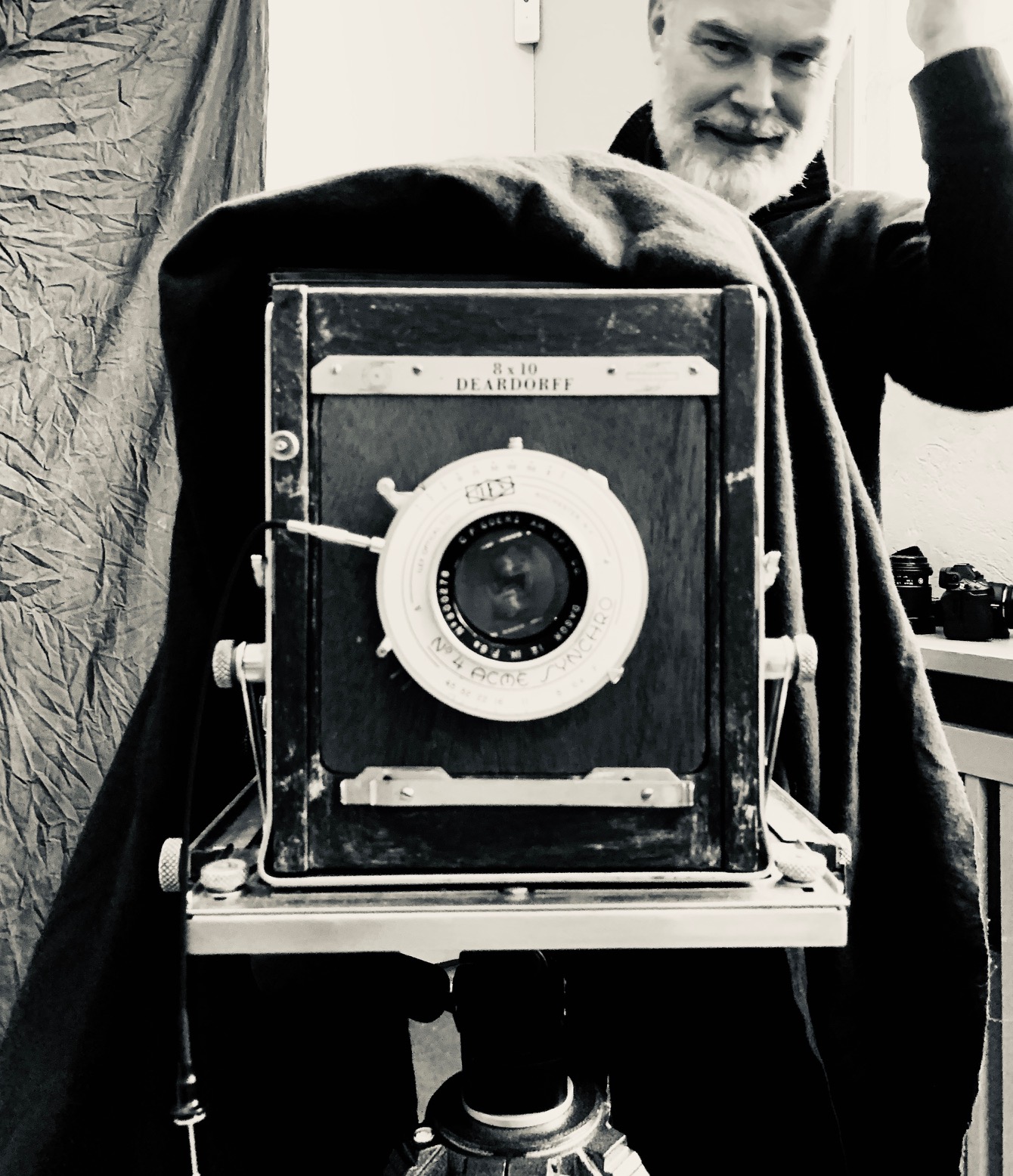
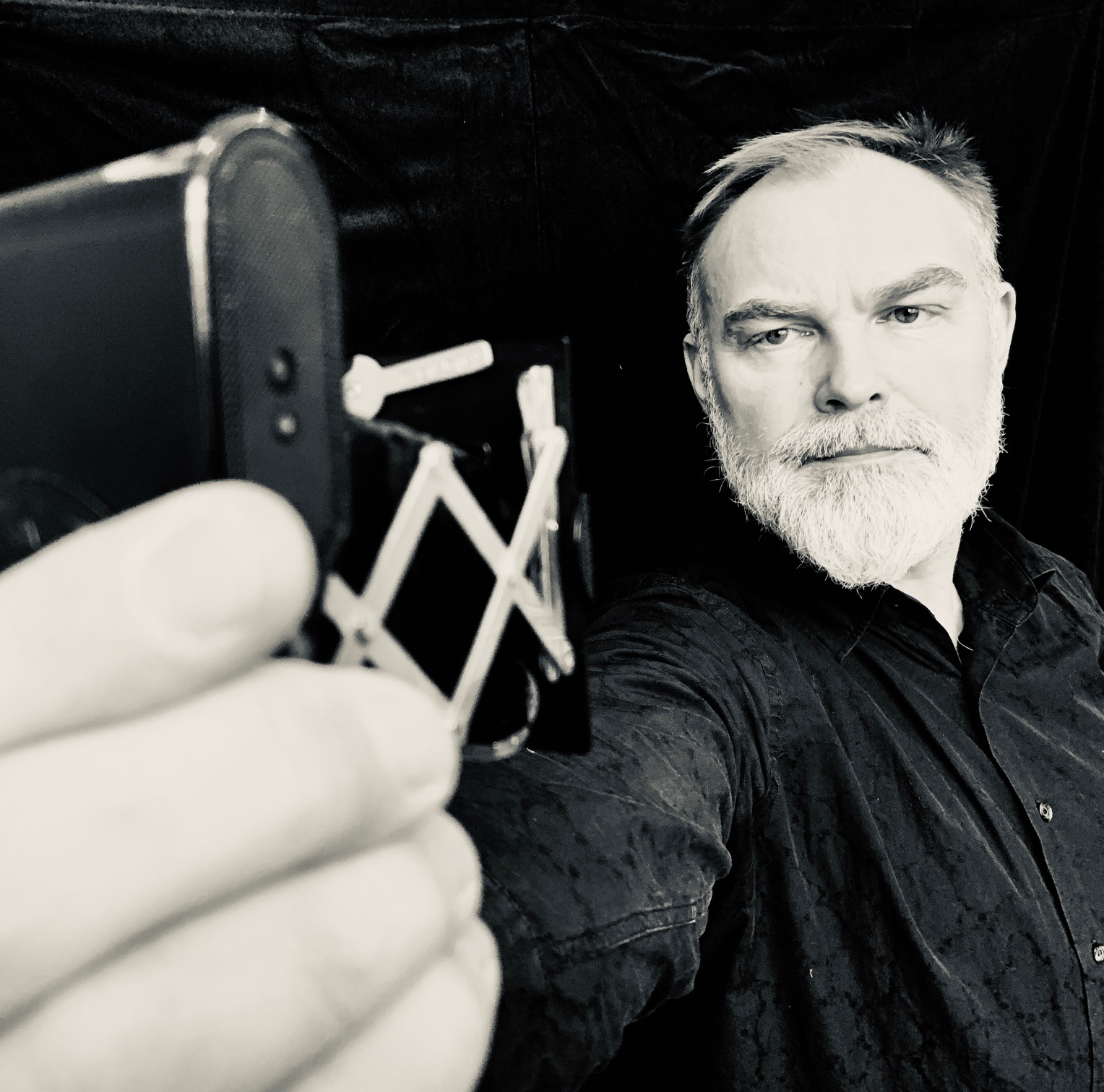
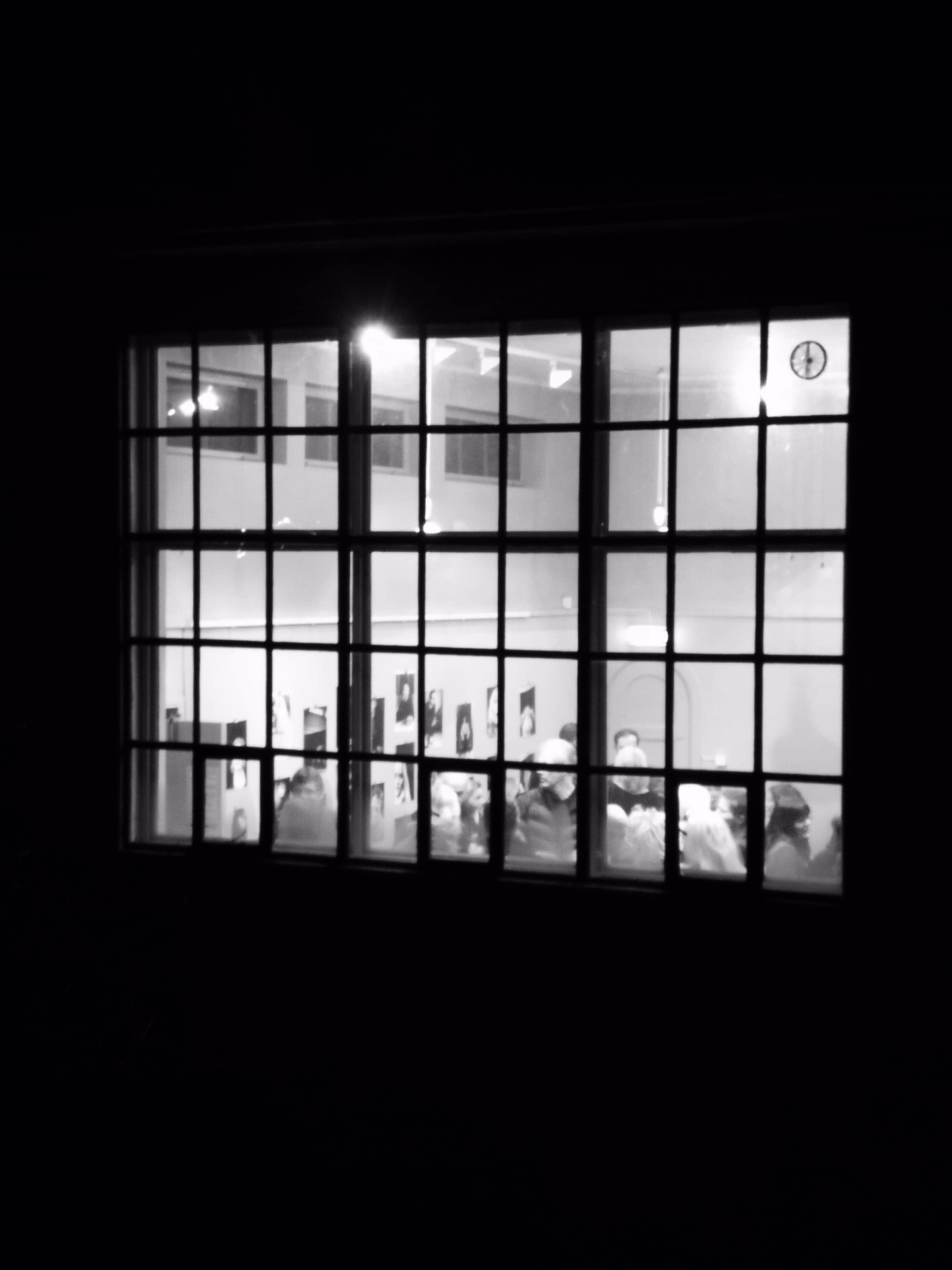
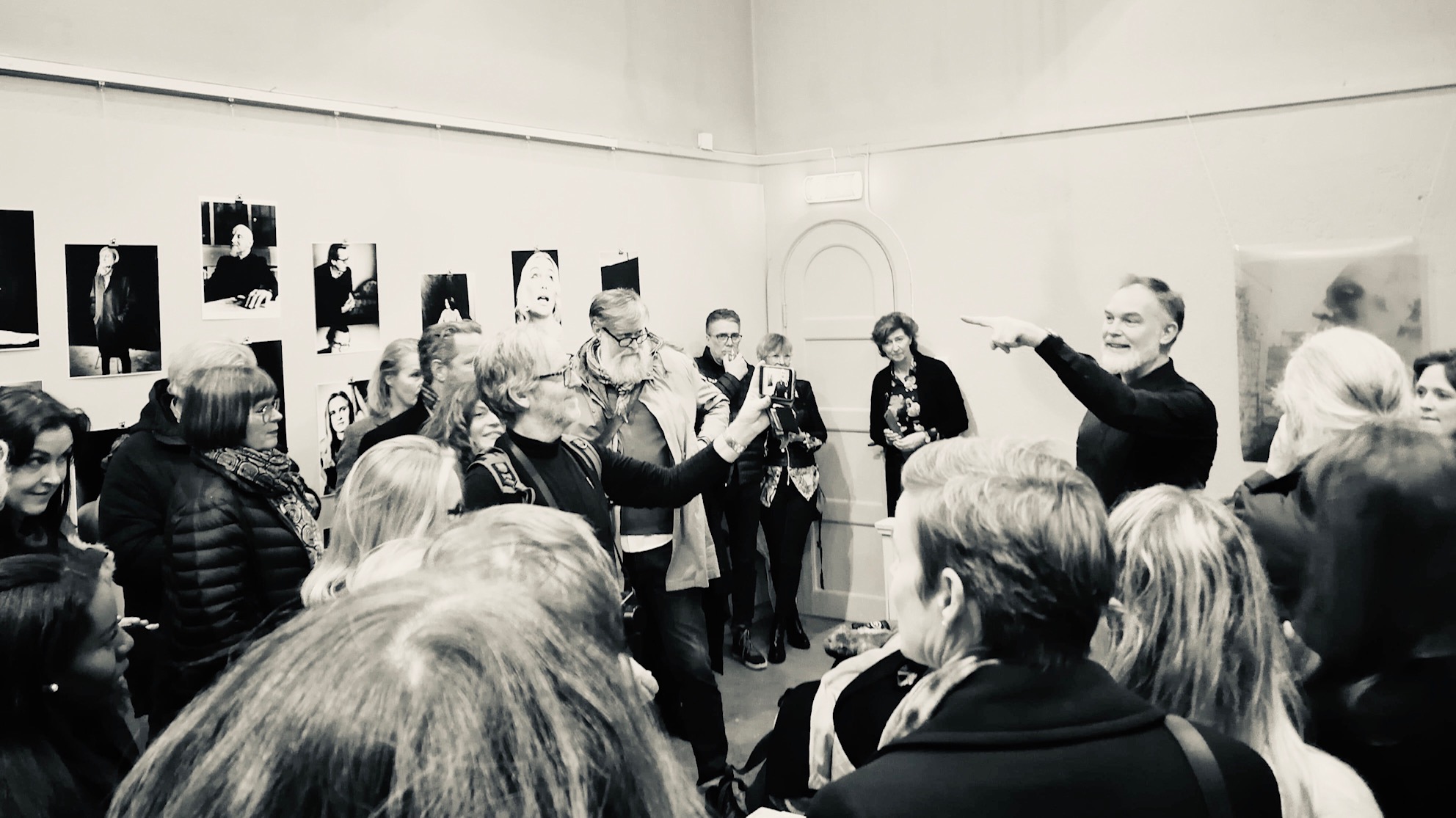
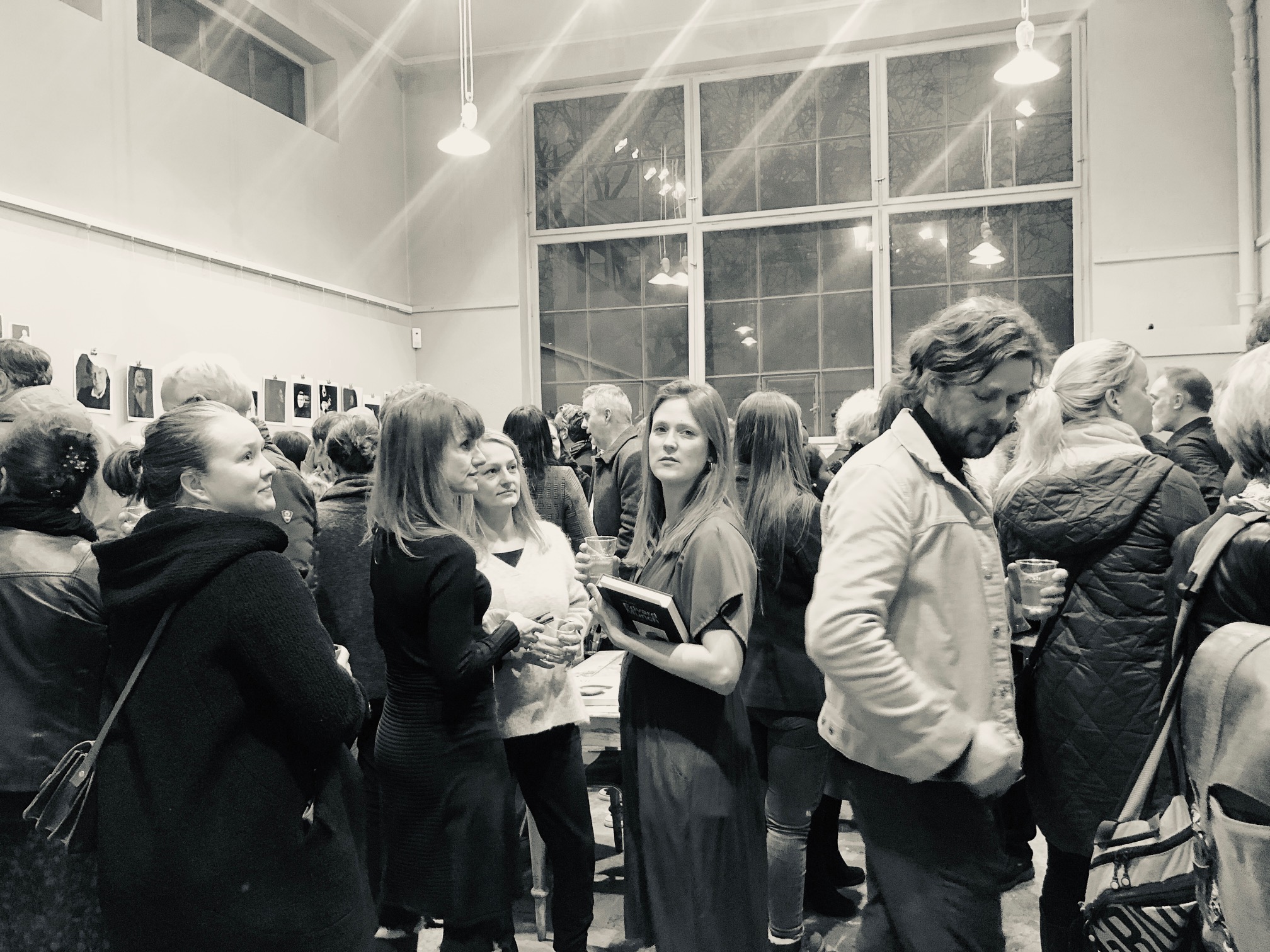
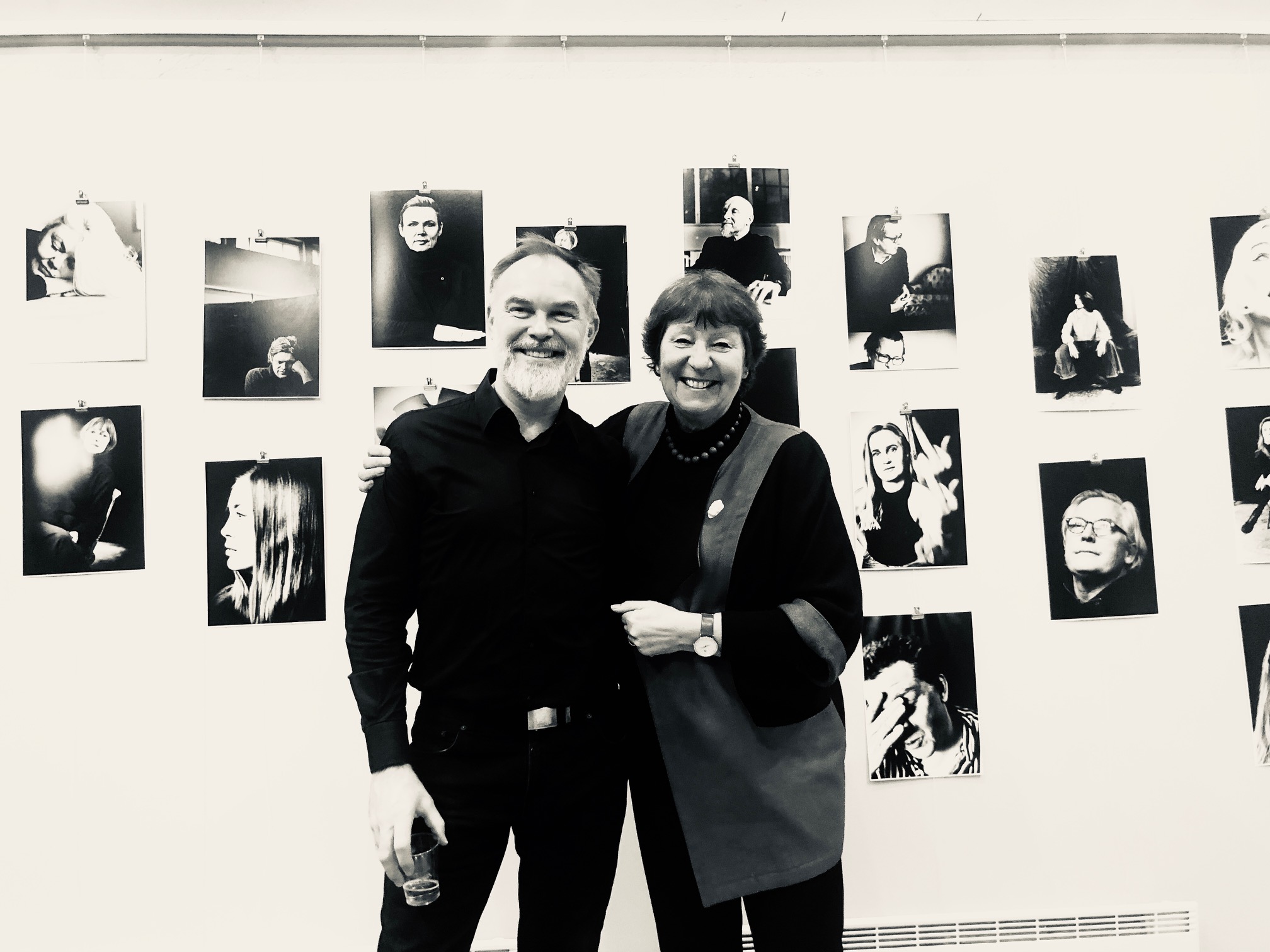
“The photographic apparatus cannot compete with the brush and palette as long as it cannot be used in hell or heaven”.
Edvard Munch himself said this. Since then it has been a rather infamous quote, often used against photography, but what about today, when we “all” are photographers?
And what about the mutual influence between painting and photography in an art historical perspective? Most people think that photography has influenced the
development of painting, but it certainly goes the other way too.
I want to challenge Edvard Munch on this and asked Anne Grete Preus, Aslaug Holm, Ingeborg Senneset, Mona Pahle Bjerke, Christine Istad, Tale Krohn Engvik,
Kristine Onsrud, Petronella Barker, Unni Askeland, Marianne Borgen, Sofia Frøysaa, Charlotte Thiis Evensen, Cecilie Tyri Holt, Robert Meyer, Hans Olav Brenner,
Lars Saabye Christiansen, Lars Lillo Stenberg, Per Fronth, Sverre Malling and others about what on earth Munch could mean by this statement?
He photographed himself for periods of more than thirty years and was innovative with his self-portraits, not entirely unlike today’s “selfies”.
All those I have spoken to about Munch’s quote have been photographed in Edvard Munch’s own daylight studio at Ekely.
NAKEN 2011
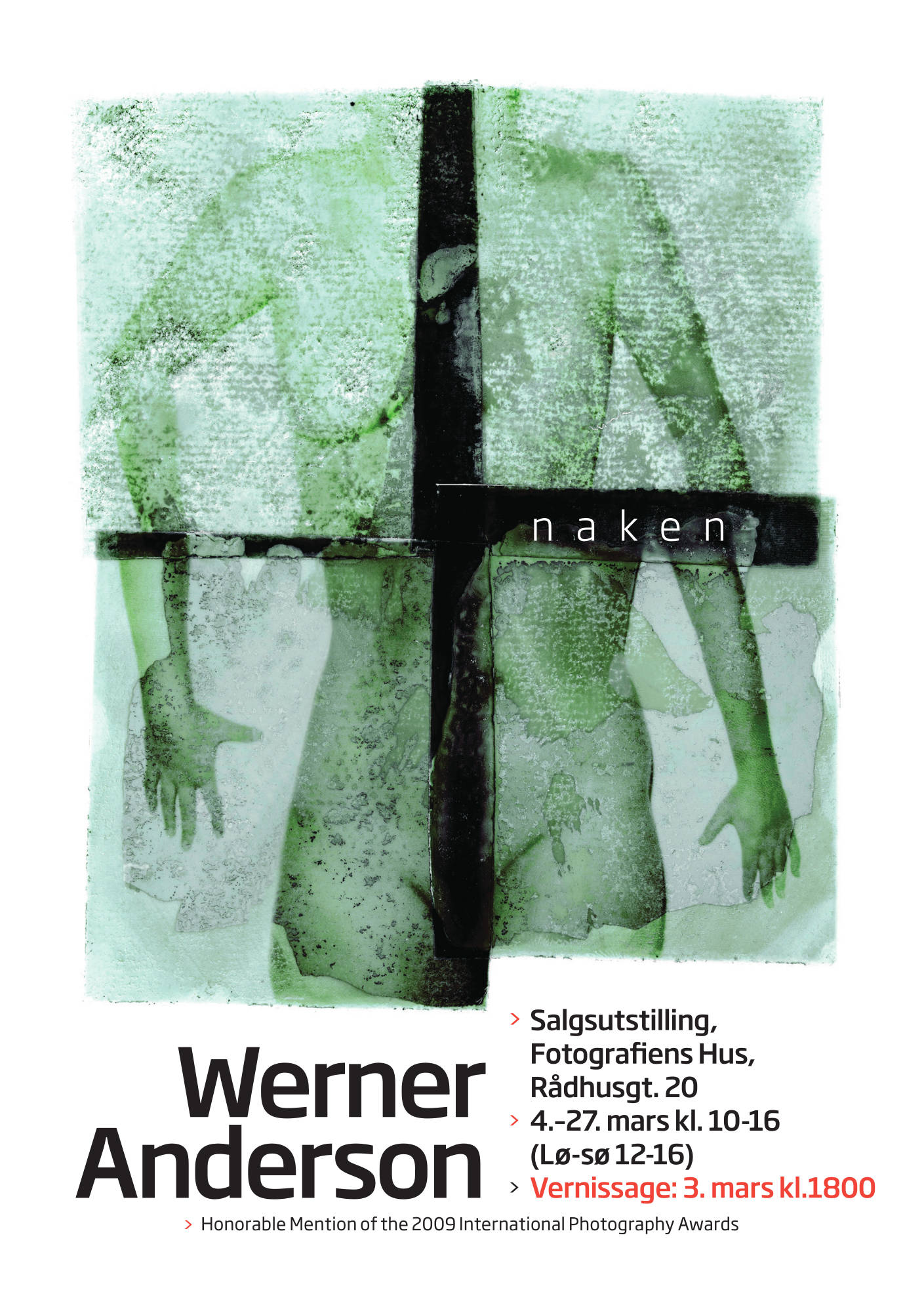
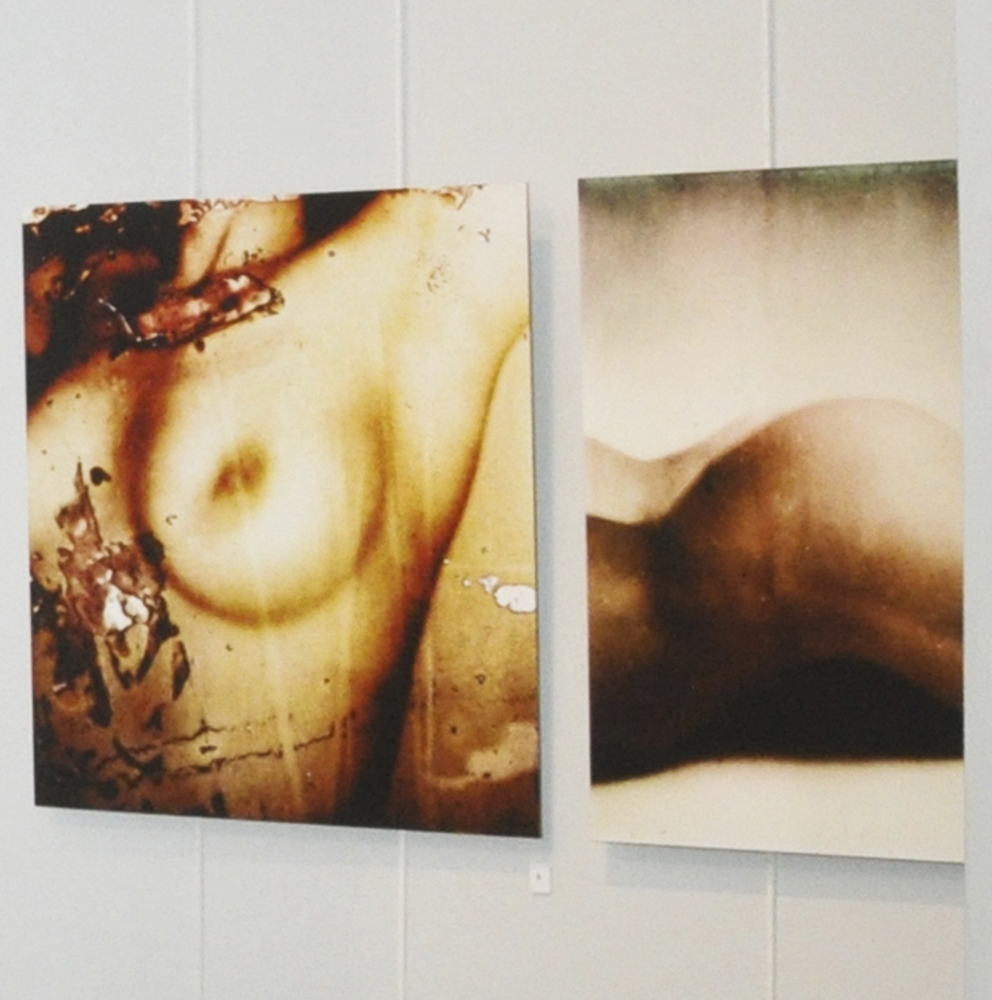
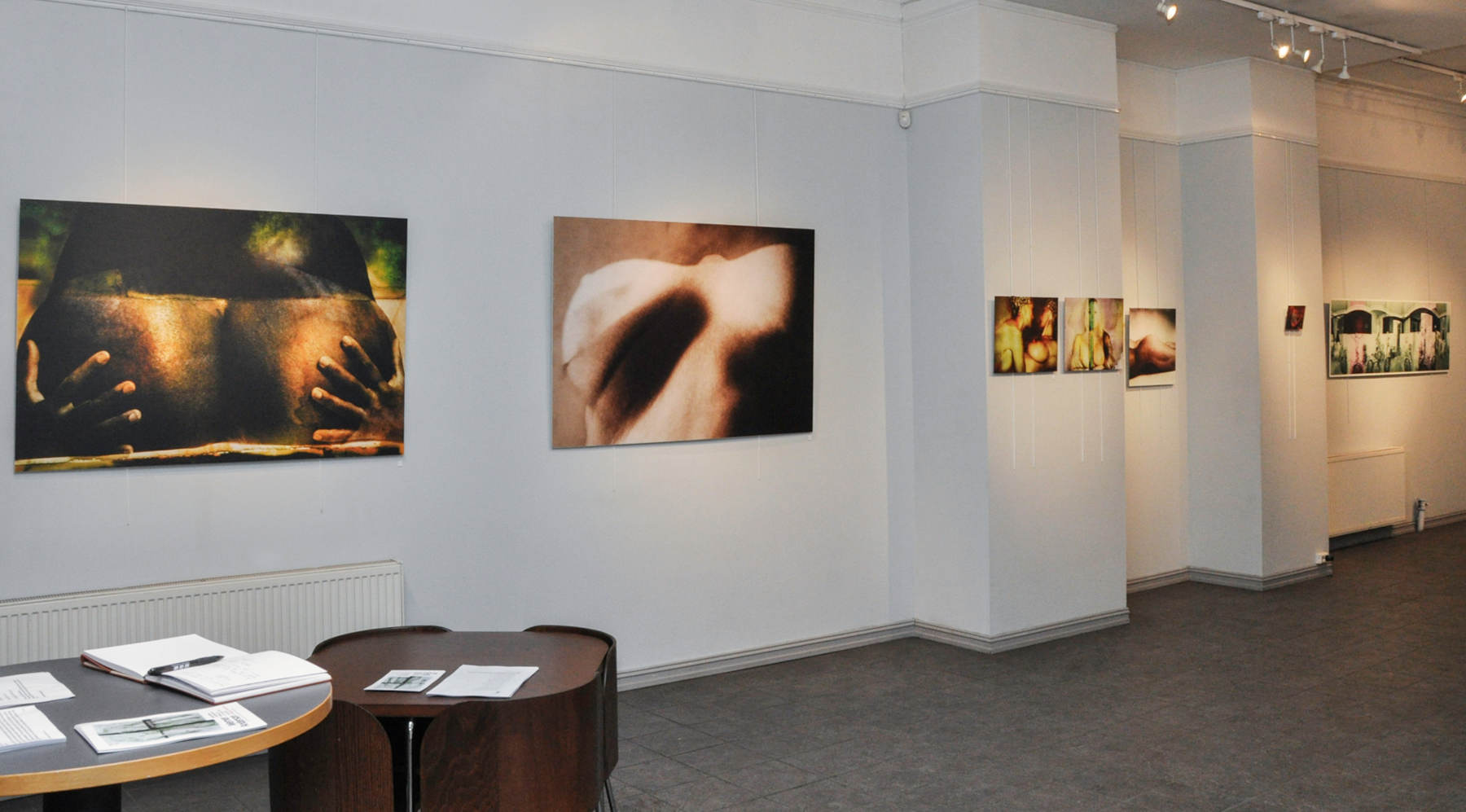
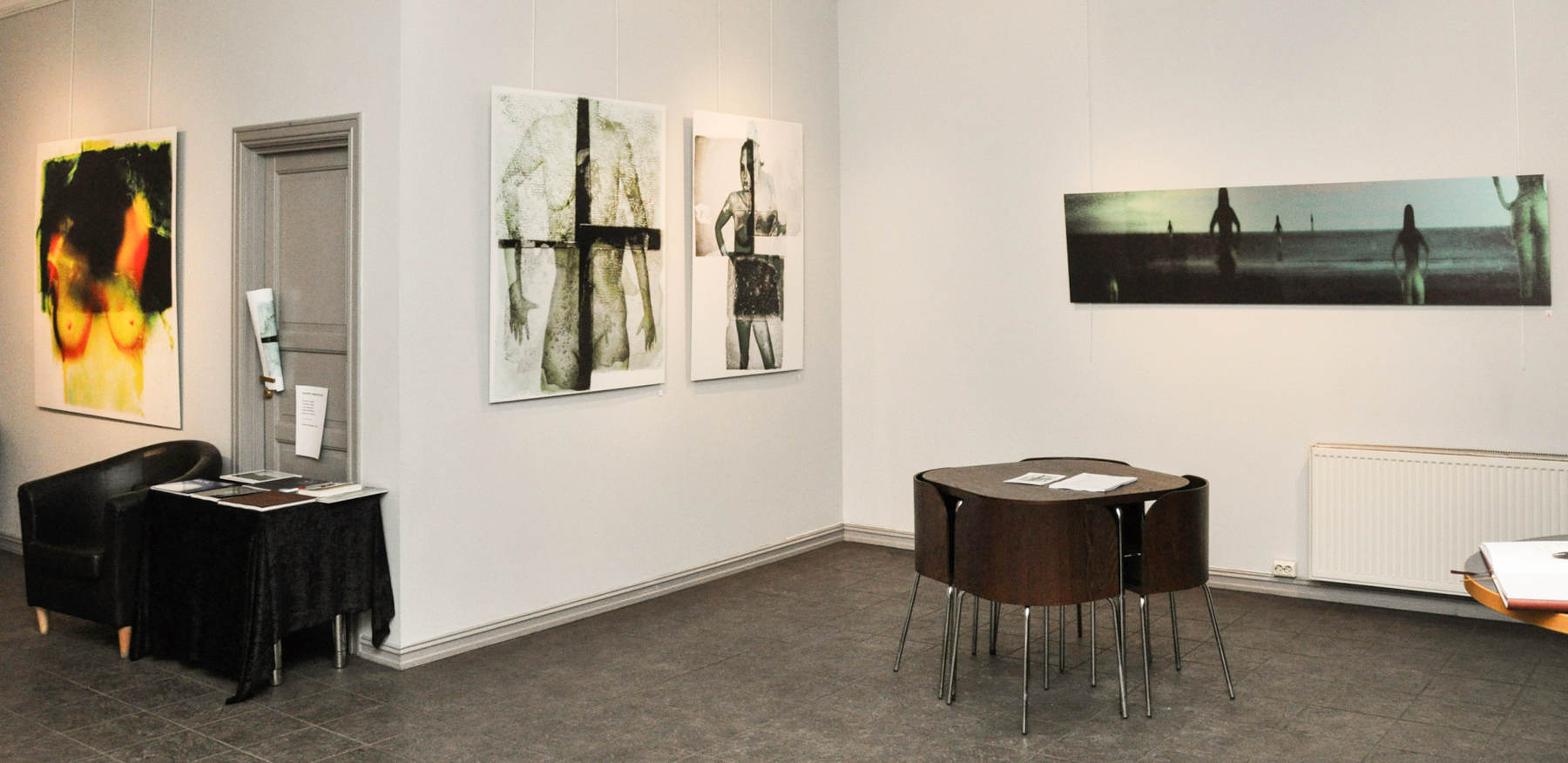
NAKEN—a series that delves into the complexities of the human body and confronts the raw truth that no one is perfect. We all have a body, some treat it with care and respect, while others subject it to neglect or abuse. Through this collection, Werner Anderson explores the idea that the body is not just a vessel, but a map of experiences, struggles, and choices.
The process behind NAKEN itself reflects this tension between care and decay. Each photograph begins with a Polaroid taken using an instant camera, capturing intimate, unposed moments of the human form. These initial images are then transferred onto watercolor paper, a delicate and textured medium that adds another layer of physicality to the work. The photograph is then re-photographed, enlarged, and further manipulated, a process that reveals the imperfections, dust, and defects in vivid detail. It is in these flaws—the chemical reactions, the granular textures—that the true nature of the body is revealed.
What emerges is a fragmented, almost deconstructed vision of the body: sometimes soft, sometimes raw, but always vulnerable. The enlarged details expose what is often hidden—scars, marks, flaws—giving them space to exist without shame. The chemistry of the materials used and the defects that occur throughout the process serve as metaphors for the imperfections and inevitable decay of the human form.
Through NAKEN, Anderson challenges our perception of the body—not as something to be idealized, but as something that lives, ages, and bears witness to the choices we make. It is an invitation to embrace the humanity we often try to hide, a celebration of imperfection that connects us all. The series forces us to confront the body in its most honest state, unfiltered, unedited, and unapologetically real.
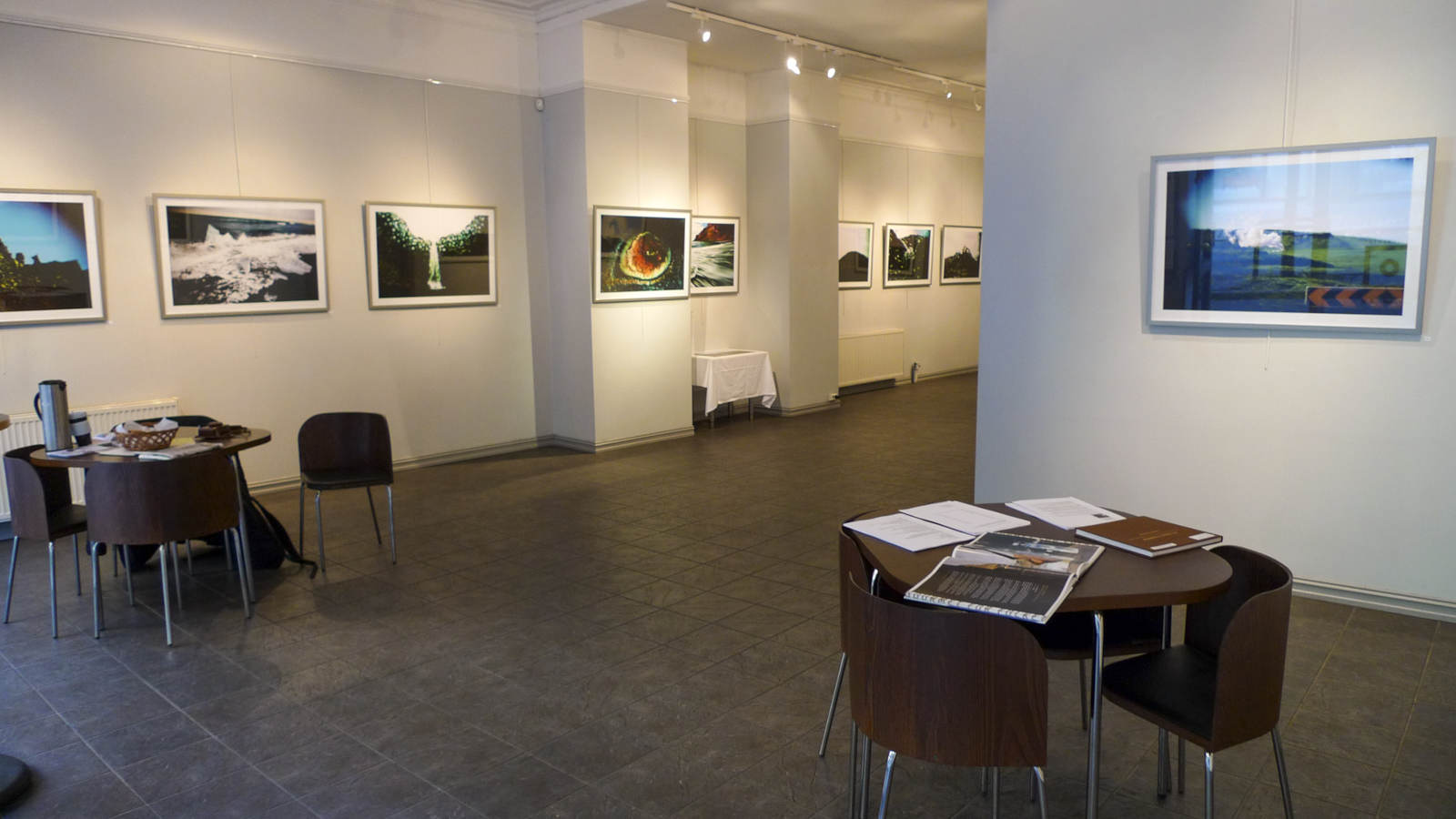
OBSERVER 2009
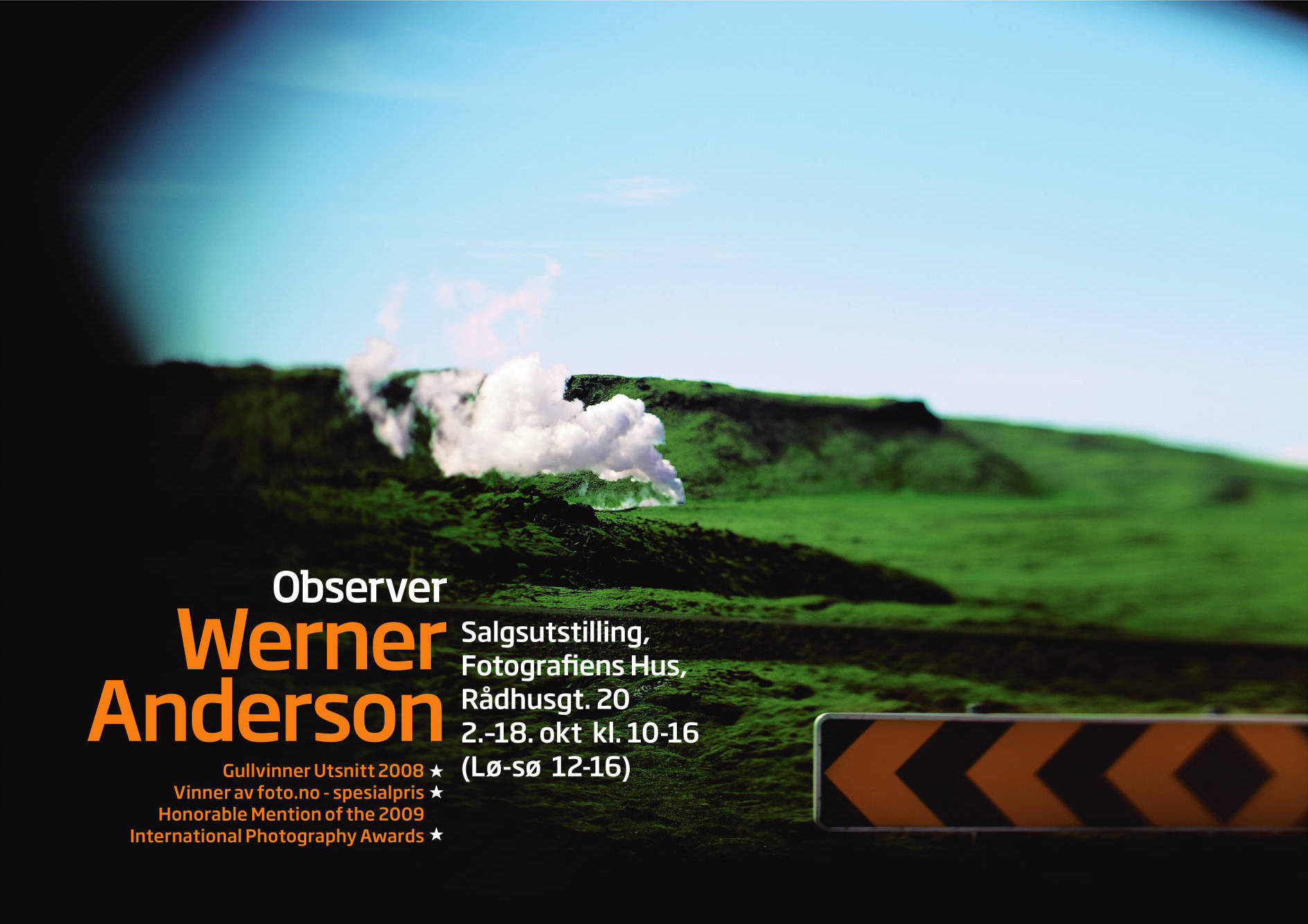
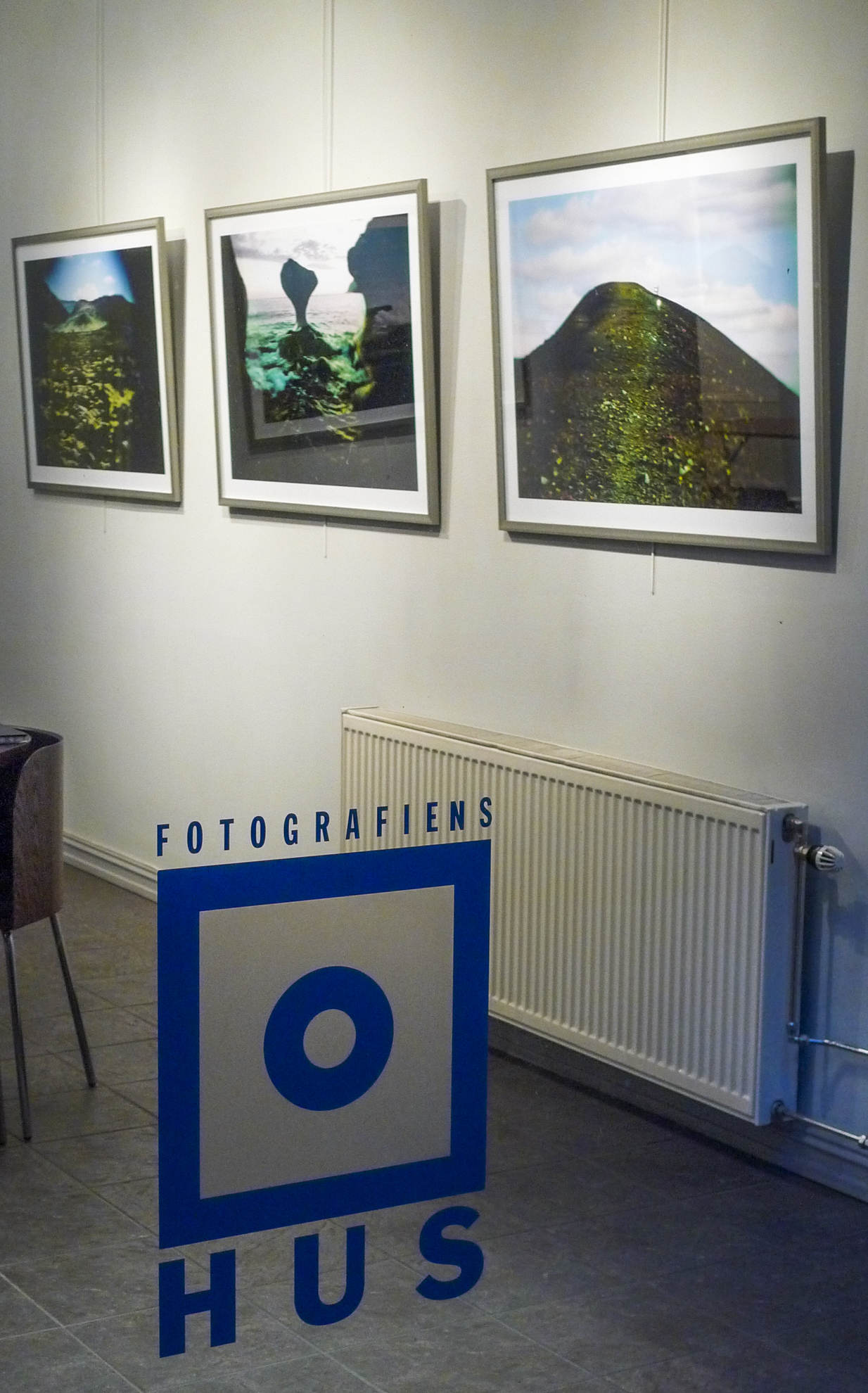
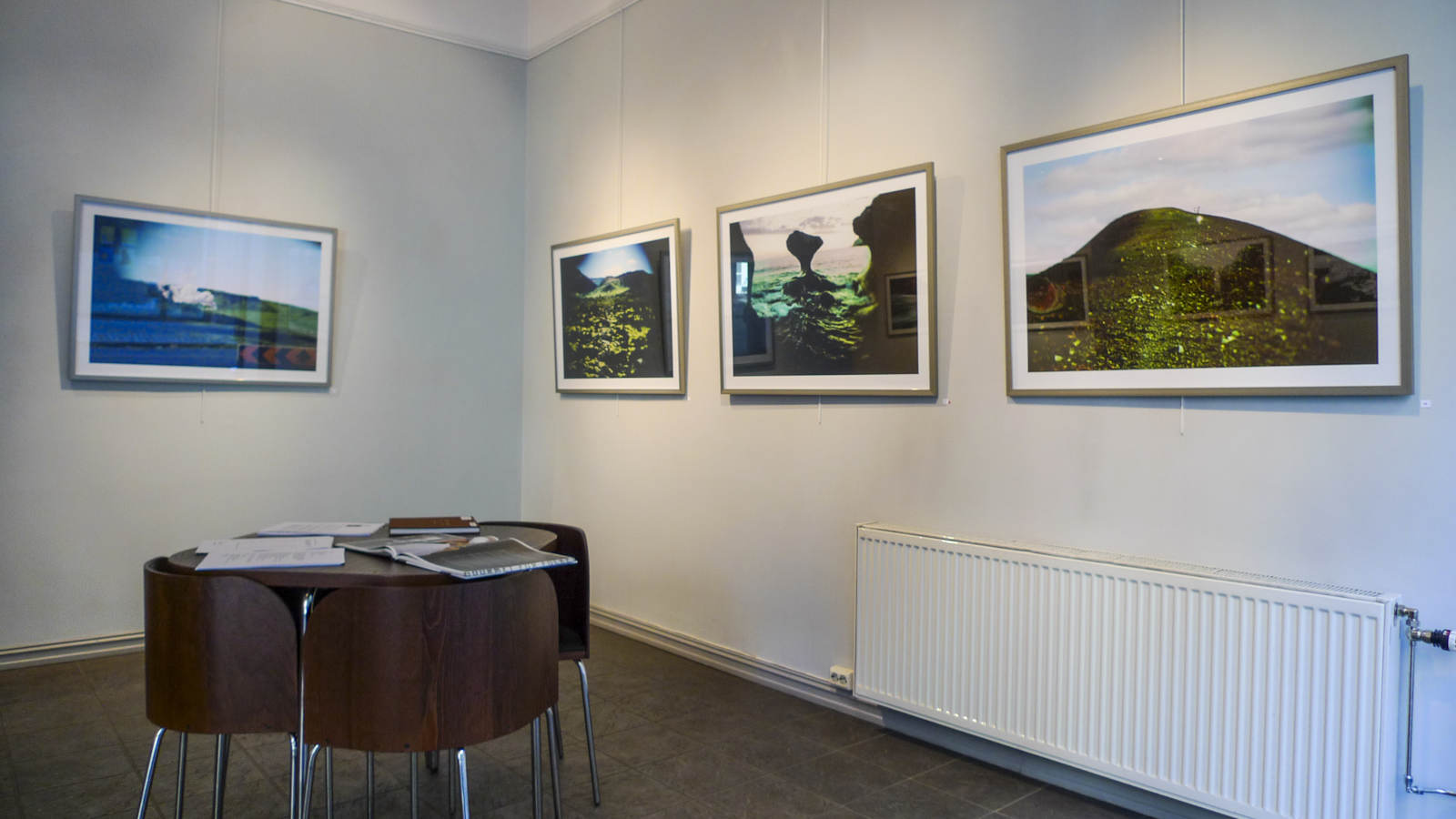
Once upon a time, a long time ago, an Observer arrived in our world. This figure sought to understand the world in its own way. With an eye that could see beyond the surface, the Observer glimpsed the hidden poetry, the melancholy, and the small sprouts of hope buried in the corners of our reality. It wasn’t naive; it was a witness to the complexities of the human condition, carefully observing the fragile balance between beauty and destruction.
Observer marks a turning point in my photographic journey—a shift from documenting the horrors of war and landmines to seeking understanding in a more personal, instinctive way. After nearly a decade of documenting devastation, this series became a reaction to the scars of conflict, and a search for something deeper, quieter, and more profound.
In these images, I’ve moved away from the traditional “rules” of documentary photography, allowing myself to interpret nature through the eyes of the Observer. With no agenda other than to see and understand, I have wandered through nature, quietly observing and capturing the world as it presents itself to me. This process reflects my journey as a photographer: for years, I hesitated to put too much of myself into my work. But after the landmine projects, I realized that without pouring my soul into my images, they would not speak truthfully. Only then would they become powerful.
Though nature plays a central role in Observer, these images are far more than just landscapes. They are a form of documentary photography, shaped by the socially engaged eye of the Observer, who sees the world not only as it is, but as it could be—offering a new perspective on what we might understand and take better care of. This is not simply a collection of nature photos, but an invitation to reflect on our relationship with the world and the choices we make as its inhabitants. Through the lens of the Observer, we are reminded that hope still exists, even in the smallest of moments.
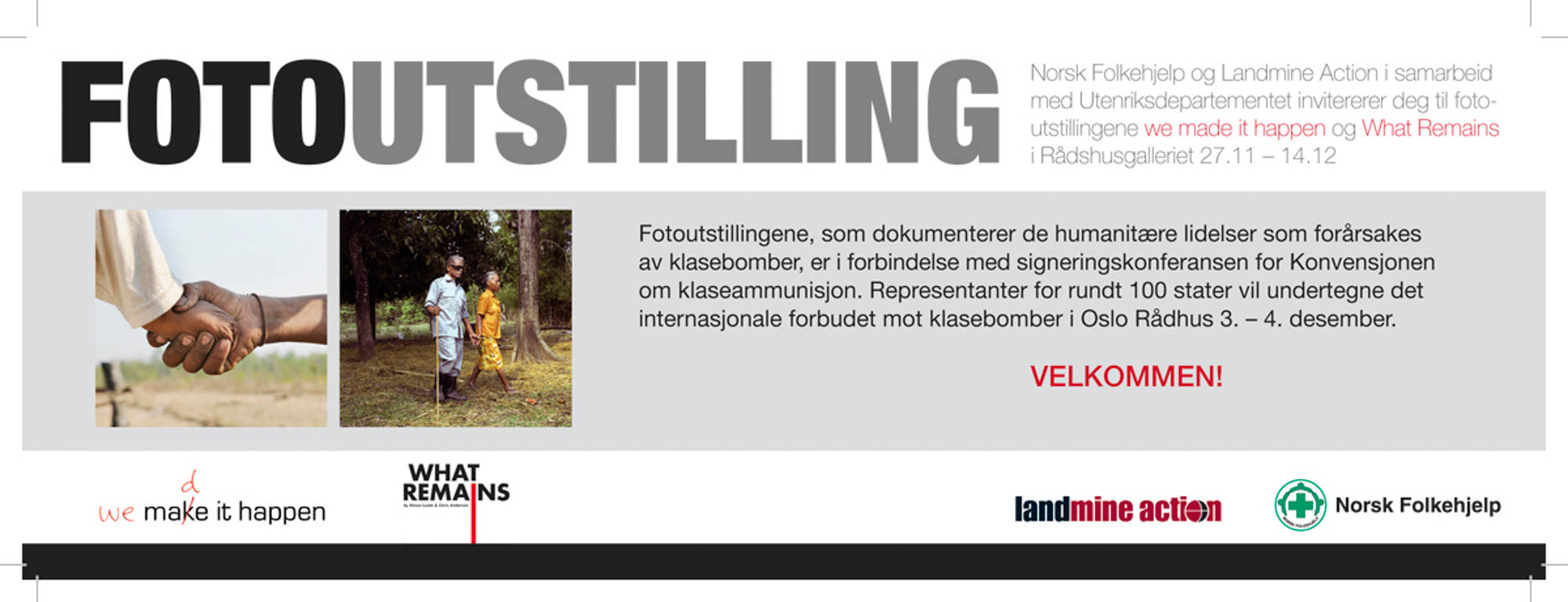
FOTOUTSTILLING 2008
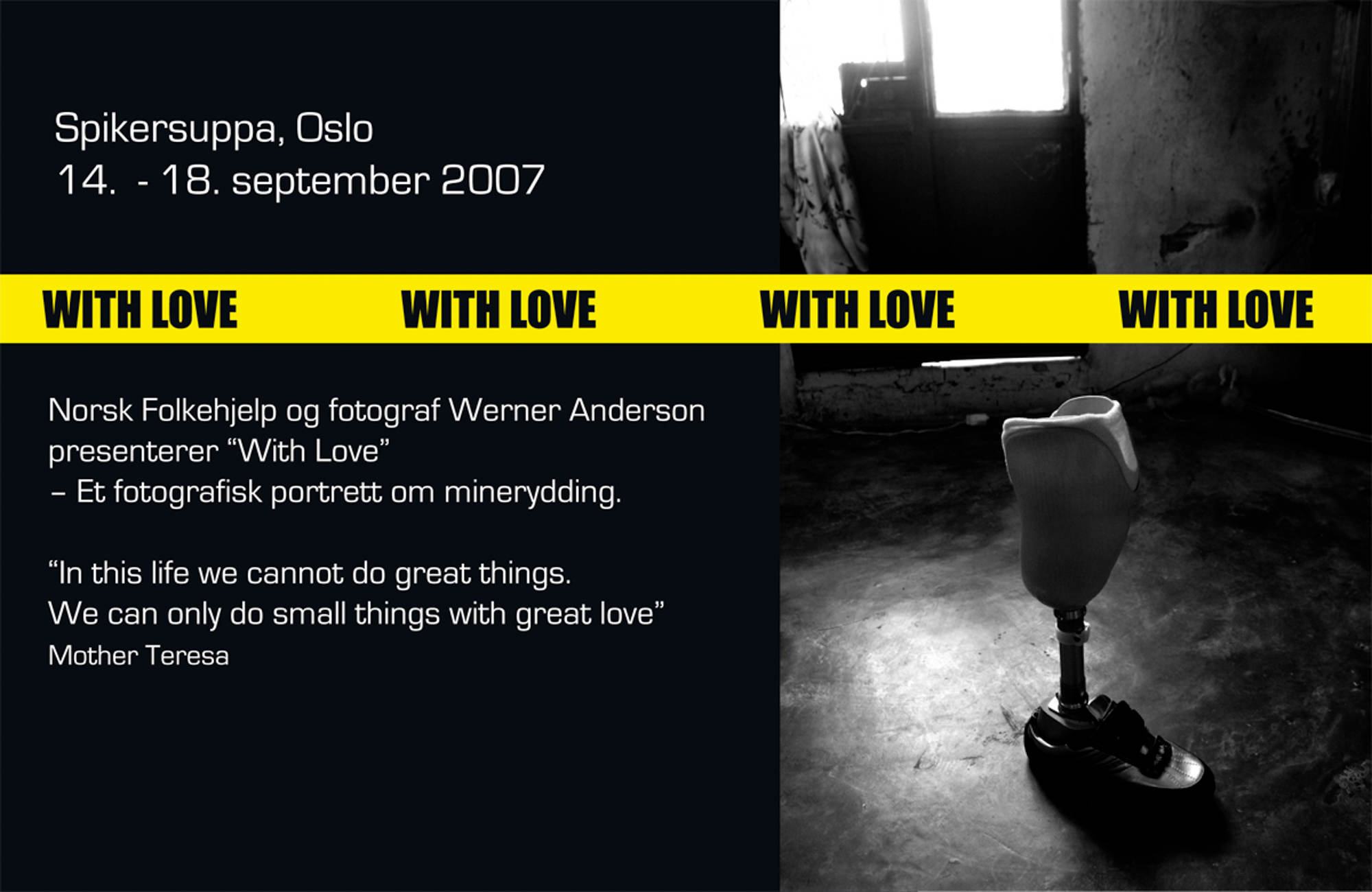
WITH LOVE 2007