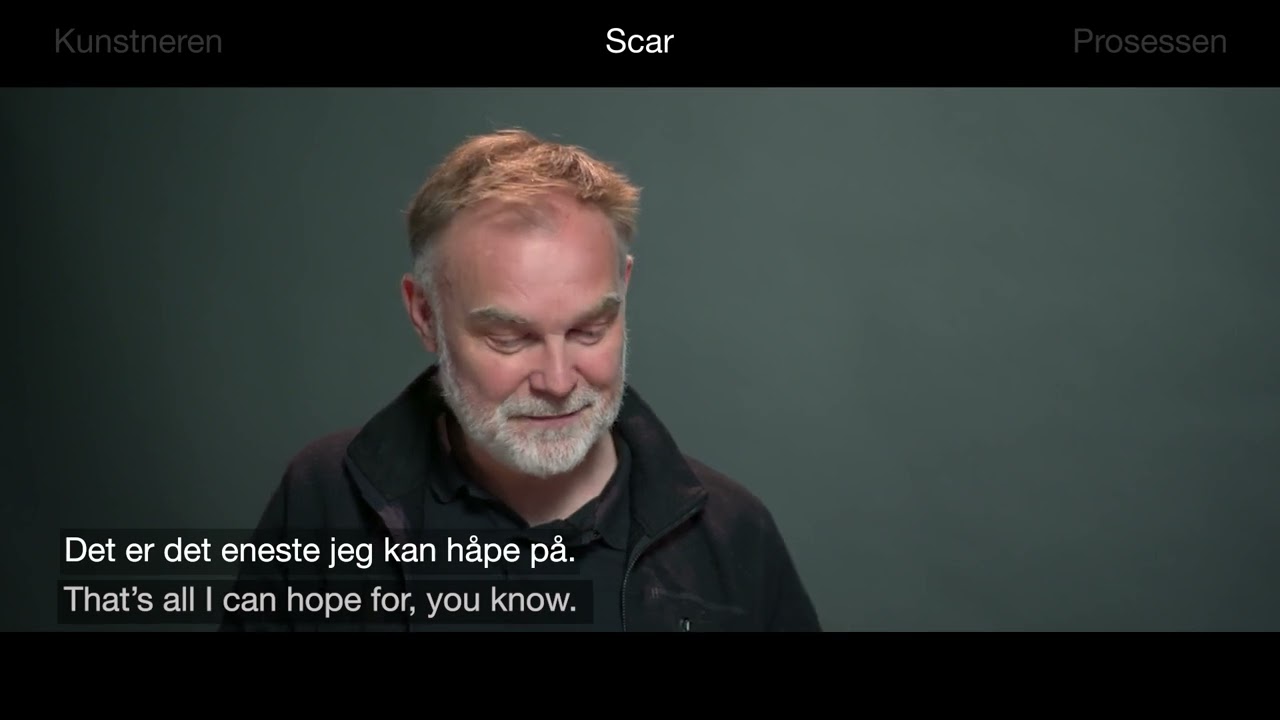
SCAR – The Film About How the Project Came to Be

Photographing the aftermath in Oslo and Utøya has been a process for me that has taken 9 years. Is it really necessary to be reminded of that day and everything surrounding July 22nd? Yes, I believe it is. We cannot forget that this happened, even though we must move forward.
I have always been grateful to live in peaceful Norway. I want to use my profession in a way that can offer hope to people, showing that it is possible to survive the worst and move on with the help of others who wish you well. For well over a decade, I have traveled to areas deeply affected by war and conflict to photograph with the goal of raising awareness and encouraging engagement for positive change.
In the summer of 2011, everything was turned upside down, and violence also struck here at home in the “peaceful Norway”. The center of Oslo was hit by a powerful car bomb, a mass killing occurred at Utøya, and 77 people were coldly murdered. When this happened so close to where I live, I had to find a way to tell the story of the aftermath of July 22nd. A way that challenged the work I had been doing with humanitarian organizations around the world.
I want to convey the idea that we all bear scars from what happened here. Most of these scars are invisible, but can I still show that they are there by photographing in and around the Høyblokka building and at Utøya? The government building still stands today, 15 years later, surrounded by barriers, surveillance cameras, and construction work. Utøya has few visible traces unless you visit the memorial site or the café building, but just the name of the island evokes images in our inner eye that we would rather not see.
The need to expand my visual language beyond the purely documentary led me to an outdated analog film that was originally designed for use in war, to reveal where the enemy had hidden behind camouflage. I have also used several other techniques to tell the story of Scar; Working physically with materiality, contrasts between hard and soft surfaces, and color versus monochrome has been crucial to me.
When you look at my images from the Scar series, I want you to reflect on why this happened here, to think about what we see, and what we choose to overlook in our society.